Singapore

The Touratu Guide to

Singapore

Explore Singapore

UPDATED AUGUST 11, 2026

Explore Singapore Travel Map & Highlights

Singapore Brief

Singapore is a compact, highly developed city-state located at the southern tip of the Malay Peninsula. Known for its pristine streets, world-class infrastructure, and multicultural population, it blends ultra-modern architecture with centuries-old traditions. The nation is a major financial hub and one of Asia's most visited destinations, offering excellent food, shopping, and cultural experiences within easy reach.

  • Capital: Singapore
  • Currency: Singapore Dollar (SGD)
  • Official Language: English (also Mandarin, Malay, Tamil)
  • Main Religion: Buddhism, Islam, Christianity, Hinduism
  • Best Months: February to April, July to September
  • Average Weather: Tropical; 24-32°C year-round with high humidity
  • Famous Tourist Cities: Marina Bay, Sentosa Island, Chinatown, Little India
  • Time Zone: Singapore Standard Time (SGT, UTC+8)
  • Visa Note: Many nationalities receive 30-90 day visa-free entry; check ICA requirements
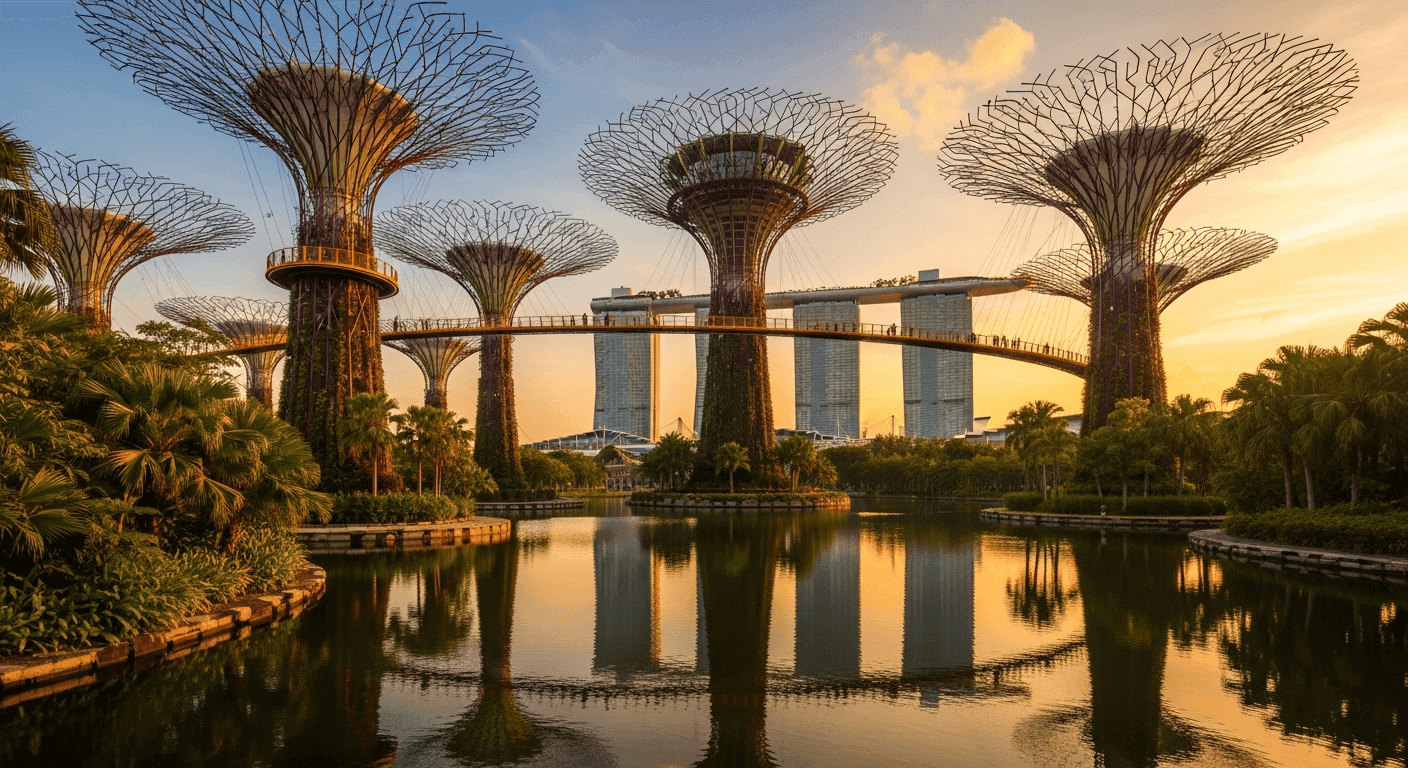
  • Popular Experiences: Gardens by the Bay, hawker food, cable car rides, cultural temples

Singapore Travel Guide, Tips & Tour Links

Data provided by Touratu - Singapore

Activities

GYG Activities List

Loading activities…

Viator Singapore

Loading Viator activities…

Stories About Singapore

Hotel Deals

Agoda Singapore

Loading activities…

Lists Featuring Singapore

Popular Destinations near Singapore

Frequently Asked Questions About Singapore

Everything you need to know before visiting Singapore

Singapore is one of Asia's safest destinations with low crime rates and excellent police presence. Petty theft occurs occasionally in crowded areas. Public spaces are well-lit and monitored. Tap water is safe to drink. Natural disasters are rare. Standard travel precautions apply for valuables.

Budget travelers spend $40-60 USD daily using hawkers and hostels. Mid-range visitors budget $80-150 USD for hotels, meals, attractions. Luxury travelers spend $200+ USD. Food is cheap at hawker centers; attractions and accommodation drive costs. Taxis and MRT are affordable.

Three to four days covers major attractions including Marina Bay, Gardens, Sentosa Island, and cultural neighborhoods. Five days allows deeper exploration of museums, temples, and local markets. Quick layover visits work for 1-2 days. Extended stays reveal hidden neighborhoods and authentic food experiences.

February to April and July to September offer slightly less rain and humidity. December to January brings holiday crowds and higher prices. Avoid November to January for monsoon season. Singapore has consistent tropical weather year-round. Festival dates vary; check lunar calendar. School holidays create peak tourism.

The MRT (Mass Rapid Transit) is fast, clean, affordable, and covers most areas efficiently. Buses complement the network. Taxis and Grab ride-sharing are reliable and relatively inexpensive. Rental cars aren't necessary given excellent public transport. Walking is viable in central areas. Tourist cards offer unlimited MRT/bus travel.

Hawker centers serve authentic local dishes at low prices: chicken rice, laksa, char kway teow, satay. Chinatown and Little India neighborhoods offer specialized cuisines. Coffee shops serve traditional kopi and kaya toast. High-end restaurants showcase modern Asian fusion. Food courts in malls provide affordable variety and cleanliness.

Explore Tiong Bahru's vintage shophouses and cafes. Kampong Glam neighborhood offers Arab heritage and boutiques. Pulau Ubin island provides rural contrast and cycling trails. Chek Jawa wetlands offer nature walks. Local temples in various communities show spiritual significance. Neighborhoods like Geylang and Joo Chiat reveal authentic, less-touristed Singapore.

Marina Bay Sands, Gardens by the Bay, and Singapore Flyer dominate must-see lists. Sentosa Island combines beaches and theme parks. Sri Mariamman and Thian Hock Keng temples are architecturally significant. National Museum, Art and Science Museum offer cultural depth. Botanic Gardens provide green spaces. Neighborhoods like Chinatown have historic appeal.

Day 1: Marina Bay attractions, Gardens by the Bay. Day 2: Sentosa Island or beach clubs. Day 3: Cultural neighborhoods—Chinatown, Little India, Arab Quarter. Day 4: Nature (Botanic Gardens, Pulau Ubin) or museums. Evenings at hawker centers and night markets. Customize based on interests: food, culture, nature, shopping.

Touratu maps Instagram and YouTube travel content to real Singapore locations, helping you discover authentic spots beyond guidebooks. See what travelers photograph and film across Marina Bay, neighborhoods, and hidden gems. Filter by content type and location to find experiences matching your interests and travel style.

Border Disclaimer

The maps and geographic visualizations provided on this platform are intended solely for general informational and illustrative purposes. While efforts are made to maintain accuracy, the boundaries, borders, names, and geographic representations displayed may not reflect the most current, official, or universally accepted data. Map content is derived from a combination of third-party sources, including open-source mapping data, external providers, and internally generated or custom boundary overlays. As such, discrepancies, misalignments, or outdated information may occur, particularly in regions subject to geopolitical disputes or evolving administrative definitions. The depiction of any boundaries, territories, or regions on this platform does not imply any opinion, endorsement, or position by Touratu regarding the legal status of any country, territory, jurisdiction, or area, nor does it constitute recognition of such boundaries. Users should not rely on these maps for legal, political, navigational, or official purposes. For authoritative and up-to-date information, users are advised to consult relevant government or official sources. By accessing and using these maps, you acknowledge that Touratu disclaims all liability for any inaccuracies, omissions, or decisions made based on the information presented.