
Japan

The Touratu Guide to

Japan

55 States to Explore in Japan

UPDATED JUNE 11, 2026

Explore Japan Travel Map & Highlights

Japan Brief

Japan seamlessly blends ancient tradition with cutting-edge modernity. From serene temples and bamboo forests to neon-lit cities and world-class cuisine, Japan offers diverse experiences across its islands. Whether you're exploring Kyoto's historic districts, climbing Mount Fuji, experiencing Tokyo's energy, or soaking in mountain hot springs, Japan rewards curiosity and respect for its customs. The country excels in hospitality, cleanliness, and efficiency, making it accessible for first-time visitors.

  • Capital: Tokyo
  • Currency: Japanese Yen (JPY)
  • Official Language: Japanese
  • Main Religion: Shintoism and Buddhism
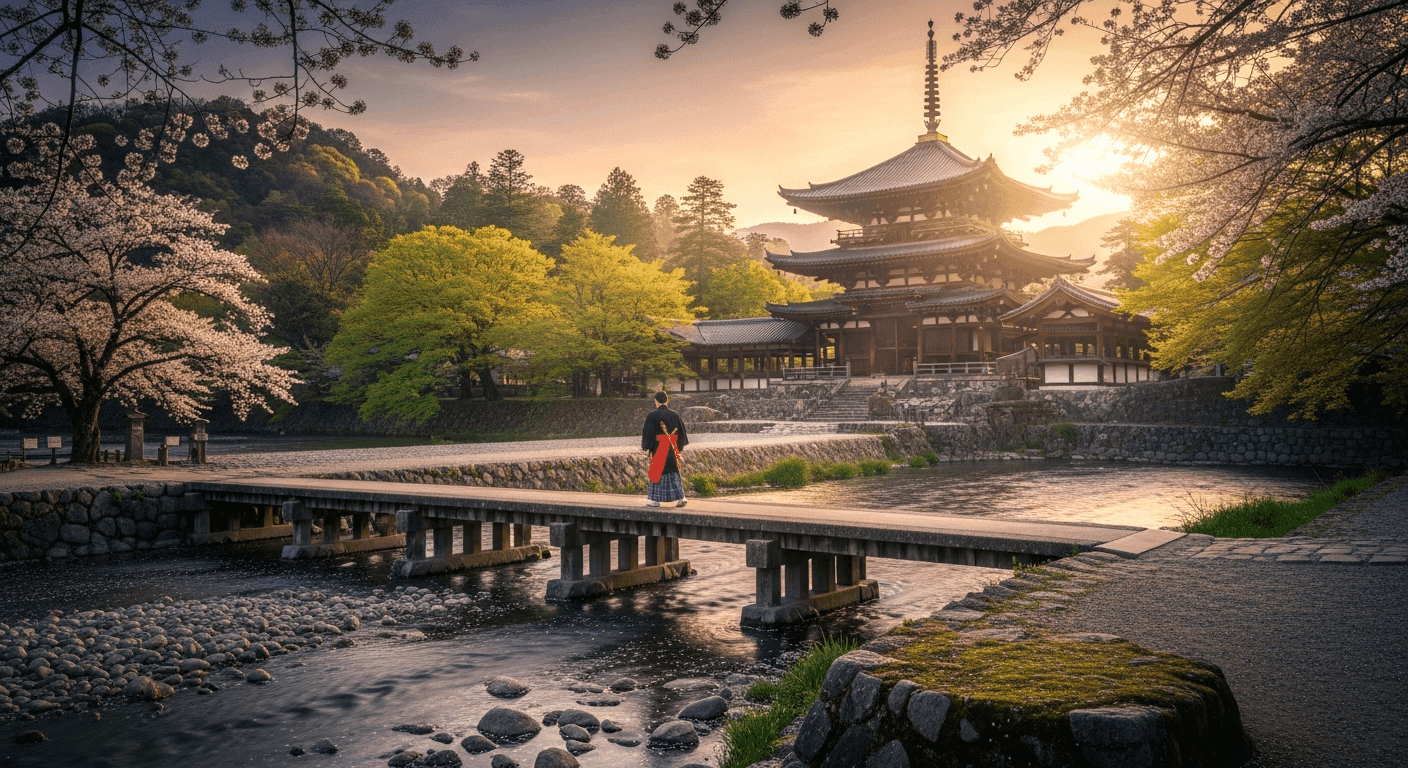
  • Best Months: April-May (cherry blossoms) and October-November (fall foliage)
  • Average Weather: -5°C to 5°C (winter), 15°C to 25°C (spring/autumn), 25°C to 35°C (summer)
  • Famous Tourist Cities: Tokyo, Kyoto, Osaka, Hiroshima, Nagano
  • Time Zone: Japan Standard Time (UTC+9)
  • Visa Note: Most visitors receive 90 days visa-free entry; check requirements for your nationality
  • Popular Experiences: Temple visits, cherry blossom viewing, skiing, hiking, kaiseki dining, tea ceremonies

Japan Travel Guide, Tips & Tour Links

Data provided by Touratu - Japan

Activities

GYG Activities List

Loading activities…

Viator Japan

Loading Viator activities…

Hotel Deals

Agoda Japan

Loading activities…

Lists Featuring Japan
Popular Destinations near Japan

Frequently Asked Questions About Japan

Everything you need to know before visiting Japan

Japan is one of the world's safest countries with low violent crime, reliable public services, and well-maintained infrastructure. Pickpocketing in crowded areas exists but remains uncommon. Natural disasters like earthquakes are possible; familiarize yourself with safety procedures. Overall, solo travelers and families generally feel secure.

Budget travelers spend $40-60 daily (hostels, convenience food), mid-range visitors $100-150 (hotels, restaurants), luxury travelers $200+. Accommodation dominates costs; food and transportation are relatively affordable. Regional travel outside Tokyo and Kyoto offers better value. Peak season (cherry blossoms, New Year) increases prices significantly.

A classic 2-week itinerary includes 4-5 days in Tokyo (temples, museums, Shibuya), 3-4 days in Kyoto (traditional temples, geisha district), day trips to Nara and Osaka, and 2-3 days exploring Mount Fuji or other regions. The JR Pass offers good value for intercity rail. Adjust based on your interests and time available.

Spring (late March-May) brings cherry blossoms and mild weather, attracting peak crowds. Autumn (September-November) offers cooler temperatures and stunning fall colors with fewer tourists than spring. Summer (June-August) is hot and humid; winter (December-February) is cold but less crowded and good for skiing.

The JR Rail system is efficient and covers most destinations. Purchase a JR Pass for multi-day rail travel or use IC cards (Suica, Pasmo) for buses and trains. Domestic flights connect distant regions. Taxis are expensive; walking and bicycles suit city exploration. English signage is common in major cities.

Remove shoes when entering homes, temples, and some restaurants. Respect shrine and temple etiquette (bow before entering). Avoid tipping; it's considered insulting. Use chopsticks properly and finish rice. Be quiet on trains; phone calls are discouraged. Respect quiet zones in public spaces. Bowing shows respect in social interactions.

Takayama offers traditional wooden merchant houses and mountain scenery. Kanazawa features stunning gardens and geisha districts with fewer crowds. Naoshima and Teshima provide contemporary art island experiences. Koyasan offers spiritual mountain monastery stays. Hiroshima and Miyajima deliver historical and natural beauty combined with accessible travel.

Must-see destinations include Tokyo for urban energy, Kyoto for temples and traditions, Mount Fuji for iconic scenery, Hiroshima for historical significance, Osaka for food culture, and Nara for deer parks and temples. Taiko festivals and snow festivals offer unique seasonal experiences. Customize based on personal interests.

A meaningful trip requires 10-14 days to experience major cities and natural attractions without rushing. Five days works for core highlights (Tokyo and Kyoto). Three weeks allows deeper exploration of regional areas, skiing, hiking, and slower cultural immersion. Budget and interests determine optimal duration.

Touratu maps Instagram photos and YouTube videos to real Japan locations, helping you discover authentic experiences and hidden spots beyond guidebooks. Search by region or interest to find lesser-known temples, cafes, hiking routes, and cultural sites. Visual inspiration connects directly to mappable destinations for easier itinerary planning.