
Saudi Arabia Travel Guide: Things to Do
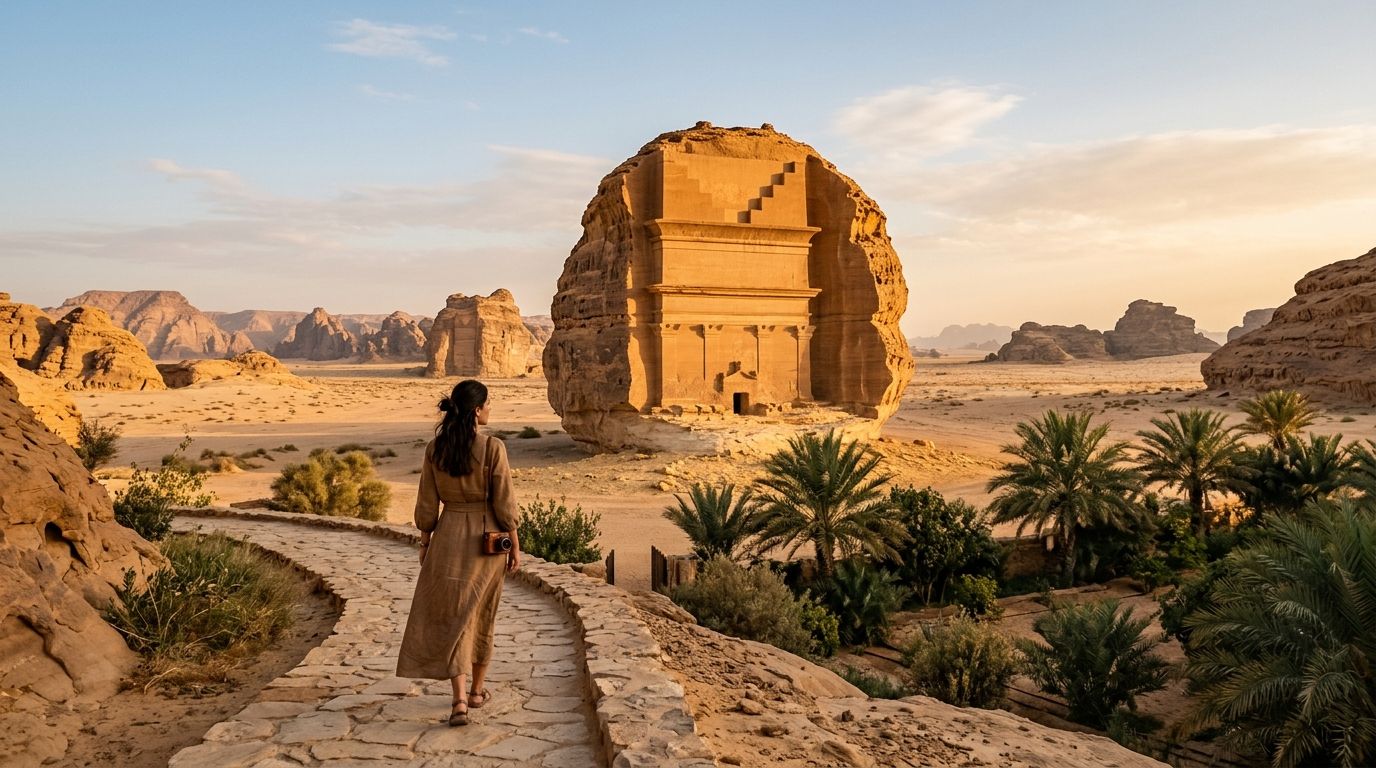
Saudi Arabia: A Country Redefining Itself, One Desert and City Block at a Time
The first time you glimpse Riyadh's skyline from the desert highway, it's disorienting. Glass towers rise from sand like a mirage that refuses to fade. But that shock of contrast—ancient landscapes meeting aggressive modernity—is precisely what makes Saudi Arabia such an intriguing destination right now. This isn't a place pretending to be something it isn't. It's a country actively reinventing itself, and that process, messy and fascinating as it is, feels genuinely worth witnessing.
Saudi Arabia spent decades as a destination talked about rather than visited. The oil wealth was legendary, the religious significance undeniable, but tourism felt closed off—reserved for pilgrims and business people. That's changed dramatically. Since 2019, the kingdom has systematically opened its borders, and what's emerged is something more complex and rewarding than initial expectations. Yes, you'll encounter contradictions. Yes, you'll need to navigate cultural protocols. But you'll also find extraordinary landscapes, a tourism infrastructure that's improving at remarkable speed, and people eager to share their country with visitors who approach it with genuine curiosity rather than preconceptions.
What Actually Makes This Place Memorable
Saudi Arabia refuses easy categorization, which is precisely why it's worth visiting.
The landscape is the most immediate draw. The Empty Quarter—Al Rub' al Khali—is one of Earth's most extreme environments. Red dunes stretch endlessly, sculpted by wind into architectural forms that seem impossible. Traveling through it isn't romantic. It's genuinely humbling. The silence is so complete it almost becomes a physical presence. You understand, viscerally, why this place shaped the people who live here. There's no softness in that landscape, no gentle introduction to difficulty.
But Saudi Arabia isn't just desert. The Red Sea coast offers coral reefs rivaling more famous diving destinations, with a fraction of the crowds. Jeddah's preserved old city, Al Balad, is a labyrinth of narrow streets, restored merchant houses, and genuine daily life—not a theme park approximation. The western mountains around Abha create a completely different ecosystem, with evergreen forests and cooler temperatures that feel shocking if you've spent days in Riyadh's heat.
The cultural experience is layered. Religious significance—Medina and Mecca draw pilgrims from across the Muslim world—shapes everything. But there's also contemporary Saudi culture emerging with real urgency. Art galleries are opening. Concert venues exist now. Women are traveling independently and working in sectors previously closed to them. It's not uniform progress, and it's certainly not complete, but it's happening visibly. Visiting means encountering this transition firsthand, understanding it less as an outsider's judgment and more as a present-tense reality.
The logistical infrastructure is genuinely good. Airport systems are modern. Hotels range from functional to spectacular. Transportation networks are expanding. This isn't a destination requiring elaborate planning and compromise on basics. You can visit comfortably while still having genuine experiences.
What to Expect: Walking Through the Experience
Riyadh: The Entry Point
Most visitors arrive in Riyadh, and it's the logical starting point. The city feels like a hypermodern experiment, with proper infrastructure alongside emerging cultural spaces. The Kingdom Centre's observation deck (the "Skybridge") offers genuine city views. The National Museum presents Saudi history without excessive reverence, which is refreshing. Diriyah, the historic capital on Riyadh's outskirts, is being meticulously restored—it gives perspective on pre-oil Saudi society.
Realistically: Riyadh isn't conventionally beautiful. It's interesting. The heat is severe (summer temperatures exceed 50°C). But winter visits are genuinely pleasant, with comfortable temperatures and manageable sun.
The Red Sea Experience
Jeddah is where Saudi Arabia feels different. The Corniche has genuine character—waterfront energy, decent restaurants, actual nightlife. Al Balad's old city requires commitment (it's dusty, poorly signposted initially), but rewards exploration. The architecture is stunning—traditional Hijazi style with intricate wooden screens and carved facades. You'll encounter actual daily life here, not curated tourism.
The Red Sea diving and snorkeling around islands like Al Lith and Yanbu is legitimate. Coral health is good. Fish species diversity is exceptional. It's markedly less crowded than Red Sea destinations further south.
The Landscape: Southern and Western Routes
If you have time and tolerance for driving, southern Saudi Arabia around Abha and the Asir region offers completely different scenery. Mountains, cooler temperatures, hiking opportunities. It feels almost entirely disconnected from Riyadh's energy.
The Empty Quarter (Al Rub' al Khali) requires guided tours, multiple days, and genuine preparation. But it's extraordinary. You're traveling through one of Earth's major deserts with minimal infrastructure. It changes perspective.
Practical Navigation
English is increasingly common in hotels, restaurants, and tourist areas. Outside tourist zones, it's less universal. The Absher app handles various bureaucratic necessities. Driving requires international licensing. Public transportation exists but isn't the primary transport method for visitors.
Religious observance is visible. Prayer times happen five times daily. Restaurants in smaller cities may close during prayer hours. Alcohol isn't available. During Ramadan, eating or drinking publicly during daylight is culturally inappropriate for everyone. These aren't obstacles—they're simply the context you're visiting into.
Planning Your Visit: Practical Decisions
When to Go
October through April is viable. November to February is optimal—temperatures are comfortable (15-25°C in Riyadh), humidity is manageable on the coast, and the country has real tourism infrastructure activated during these months.
Summer is genuinely brutal. It's possible to visit (hotels are comfortable, activities are arranged with air conditioning), but there's no advantage. You're essentially hiding from the weather.
Ramadan (dates vary annually) transforms the country. Many restaurants close during daylight. Tourism slows. But if you're interested in religious culture, it's singularly authentic. Plan around it unless you specifically want that experience.
Duration
10-14 days allows reasonable exploration: 4-5 days in Riyadh and central region, 3-4 days on the Red Sea coast, 2-3 days in southern mountains or desert experience. Less time means either concentrating on one region or accepting a rushed pace.
Transportation
Domestic flights between Riyadh, Jeddah, and regional cities are efficient. Driving long distances is viable but requires time and comfortable vehicles (car rental is straightforward). Guided tours handle complex logistics like Empty Quarter access.
Budgeting
Accommodation, food, and activities aren't bargains. Saudi Arabia attracts affluent tourists and prices reflect that. Budget $80-150 for mid-range hotels, $15-40 for meals outside tourist areas. Premium accommodations and dining cost substantially more. Activities (diving, desert tours, guides) range $100-400 daily.
Crowds and Logistics
Saudi Arabia isn't crowded in conventional tourism terms. Peak season is winter, but major sites don't experience visitor saturation. This is genuinely valuable—you're not navigating throngs. Booking accommodation and tours in advance is sensible but not mandatory.
Nearby Regions Worth Considering
The Farasan Islands (off the southwest coast) are largely undeveloped with significant marine life. Access requires planning and ferry connections, but they offer complete escape from development.
Bahrain is 25 minutes across the causeway from Saudi's Eastern Province. It's a different country with different dynamics, useful as a comparison or brief diversion.
The Hijaz region (Medina, surrounding areas) is exceptional for Islamic history. Non-Muslims can't enter Mecca or the holiest Medina sites, but the region itself is historically rich. It requires separate time allocation.
Is It Worth Visiting? The Honest Assessment
Yes, with caveats.
Saudi Arabia is worth visiting if you're genuinely interested in observing a major country in active transformation. It's not a leisure destination. It's intellectually stimulating, visually interesting, and logistically manageable.
Don't come expecting stereotypes confirmed or prejudices challenged in oversimplified ways. Come curious about complexity. The country has legitimate contradictions—progress and conservatism existing simultaneously. That's the actual story.
You won't have the casual, relaxed ease of destinations designed entirely for vacation. But you'll have something more interesting: genuine engagement with a place most visitors never encounter, alongside landscapes and cultural experiences that are genuinely distinct.
The Red Sea diving, the desert silence, Al Balad's streets, Riyadh's museums—these are reasons. The contradiction, the transformation, the willingness to welcome outsiders—these are the deeper reasons.
Quick Facts
- Capital: Riyadh
- Population: ~34 million
- Best for: Desert landscapes, Red Sea diving, contemporary culture, Islamic history
- Visa: Tourist visas available (online e-visa for most nationalities)
- Language: Arabic (English increasingly common in tourist areas)
- Currency: Saudi Riyal (1 SAR = ~0.27 USD, varies)
- Best season: October-April
- Time needed: Minimum 7 days for meaningful experience
Closing: Explore Further
Saudi Arabia challenges preconceptions. It's visually distinctive, culturally layered, and actively reshaping itself. Whether you're interested in desert landscapes, historical sites, diving, or simply understanding how major global transformation happens on the ground, this is a country worth visiting with eyes open and genuine curiosity.
Explore detailed routes, watch travel videos, and discover bookable activities on Touratu's interactive map. Browse itineraries crafted by travelers who've navigated the country's regions, find practical guides for specific areas, and book experiences with verified operators. The map makes planning genuine—based on real routes and real experiences, not marketing assumptions.
Loading activities…
