
Data provided by Touratu - United States of America
Egypt
The Touratu Guide to
Egypt
4 States to Explore in Egypt
UPDATED AUGUST 11, 2026
Explore Egypt Travel Map & Highlights
Egypt Brief
Egypt is a transcontinental country spanning Northeast Africa and Southwest Asia, home to one of the world's oldest civilizations. Dominated by the Nile River and the Sahara Desert, Egypt offers unparalleled ancient archaeological sites alongside vibrant modern cities and coastal resorts. From the Great Pyramids of Giza to the temples of Luxor and Abu Simbel, Egypt attracts history enthusiasts, adventure travelers, and culture seekers worldwide.
- Capital: Cairo
- Currency: Egyptian Pound (EGP)
- Official Language: Modern Standard Arabic
- Main Religion: Islam (predominantly Sunni)
- Best Months to Visit: October to April
- Average Weather: Hot and dry year-round; summers exceed 35°C (95°F), winters mild
- Famous Tourist Cities: Cairo, Giza, Luxor, Aswan, Hurghada, Sharm El-Sheikh
- Time Zone: Eastern European Time (EET, UTC+2)
- Visa Note: Most nationalities require a visa; available on arrival or pre-arranged online
- Popular Experiences: Nile River cruises, pyramid exploration, snorkeling in Red Sea, hot air balloon rides over Luxor, temple visits, Egyptian Museum tours
Egypt Travel Guide, Tips & Tour Links
Data provided by Touratu - Egypt
Activities
GYG Activities List
Loading activities…
Viator Egypt
Loading Viator activities…
Popular Destinations in Egypt
Stories About Egypt
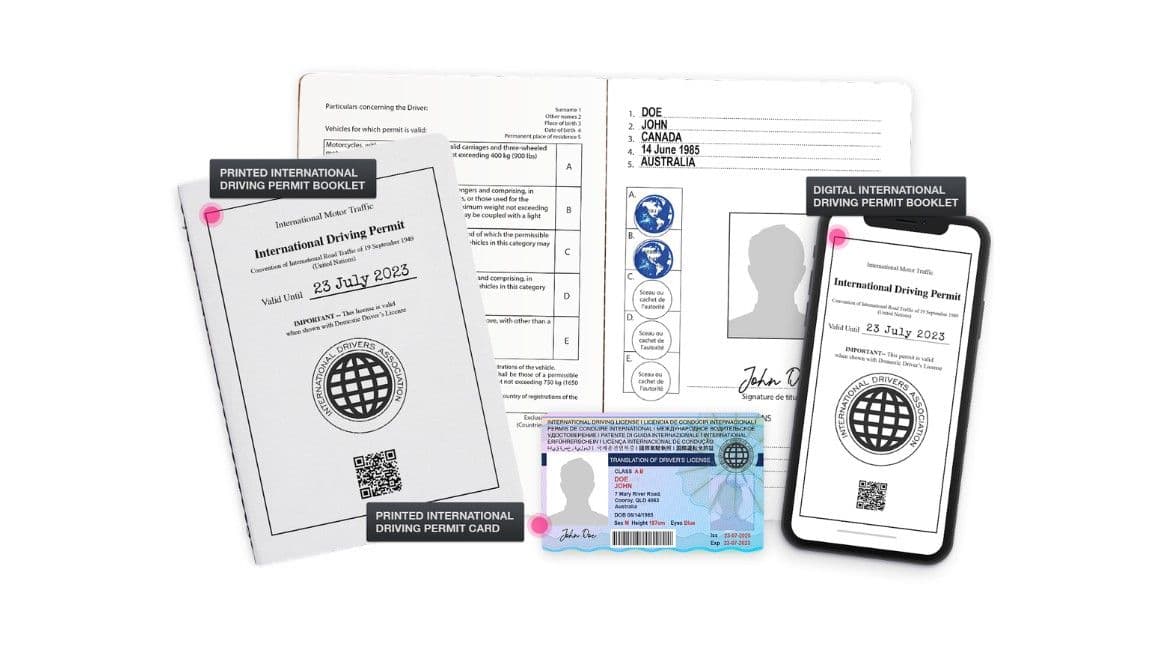
International Driving Permit (IDP): Everything Travelers Need to Know Before Driving Abroad
Touresh
September 14, 2026
Planning to rent a car on your next international trip? An International Driving Permit (IDP) can save you from unexpected problems at rental counters and police checkpoints. Learn everything you need to know before driving abroad.
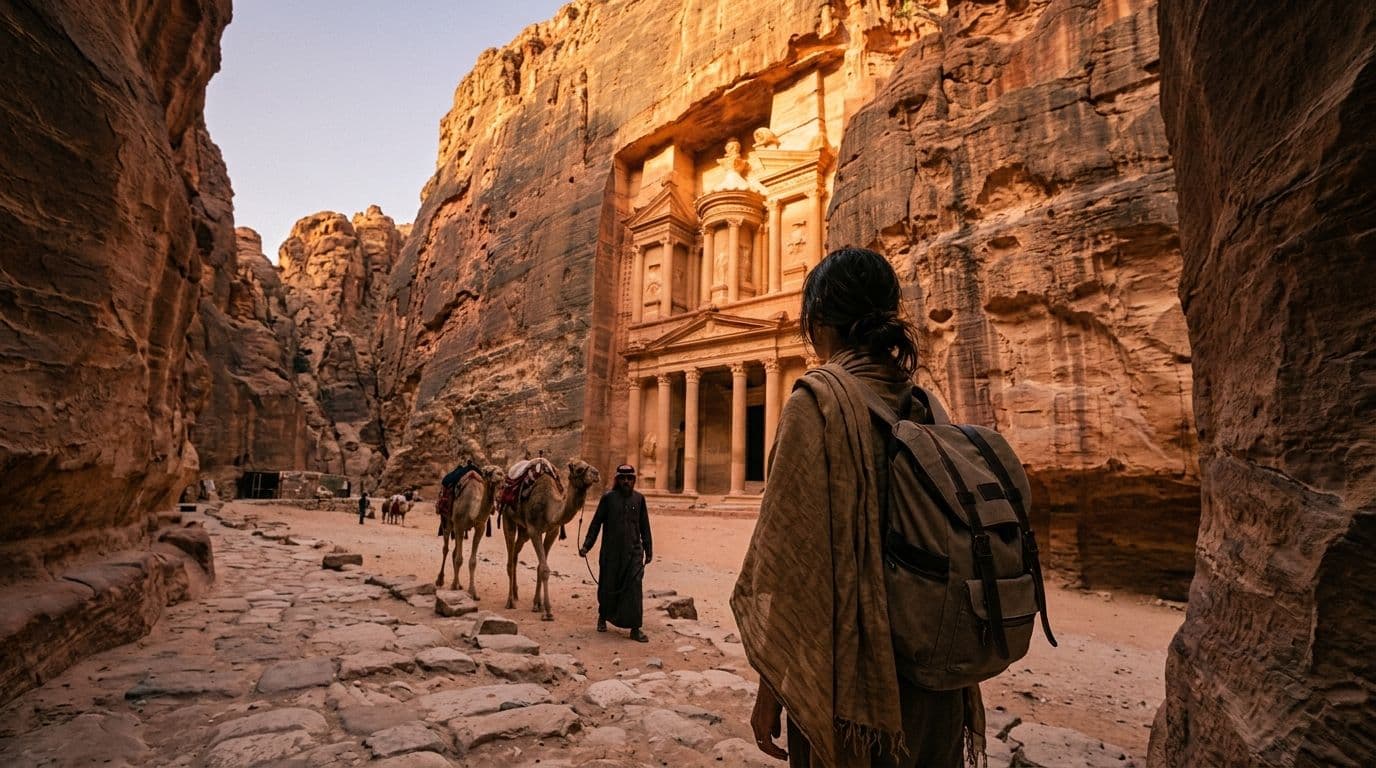
Egypt Travel Guide: Explore Pyramids, Nile Cruises, Ancient Temples & Hidden Gems Before You Travel
Egypt
September 14, 2026
Egypt is an unparalleled historical destination where travelers can explore the Pyramids of Giza, cruise the Nile River from Luxor to Aswan, and dive in the Red Sea. The best time to visit is October to April to avoid extreme summer heat. Most nationalities require a $25 visa, available online or on arrival. Because the country is vast, travelers should use interactive maps and destination videos to understand travel distances between Cairo, Upper Egypt, and coastal resorts before finalizing their itineraries.
Hotel Deals
Agoda Egypt
Loading activities…
Popular Destinations near Egypt
Frequently Asked Questions About Egypt
Everything you need to know before visiting Egypt
