Mexico City: Explore Culture & History
Introduction
Mexico City is the capital and largest city of Mexico, known for its rich history, world-class museums, ancient Aztec heritage, colonial architecture, vibrant neighborhoods, exceptional food scene, art, culture, parks, markets, and lively urban atmosphere.
Located in a high-altitude valley in central Mexico, Mexico City combines centuries of history with a modern metropolitan lifestyle. The city was built on and around the former Aztec capital of Tenochtitlan, making it one of the most historically significant urban destinations in the Americas.
Visitors can explore archaeological sites, grand plazas, historic churches, museums, traditional markets, contemporary galleries, colorful neighborhoods, and enormous public parks all within the same city.
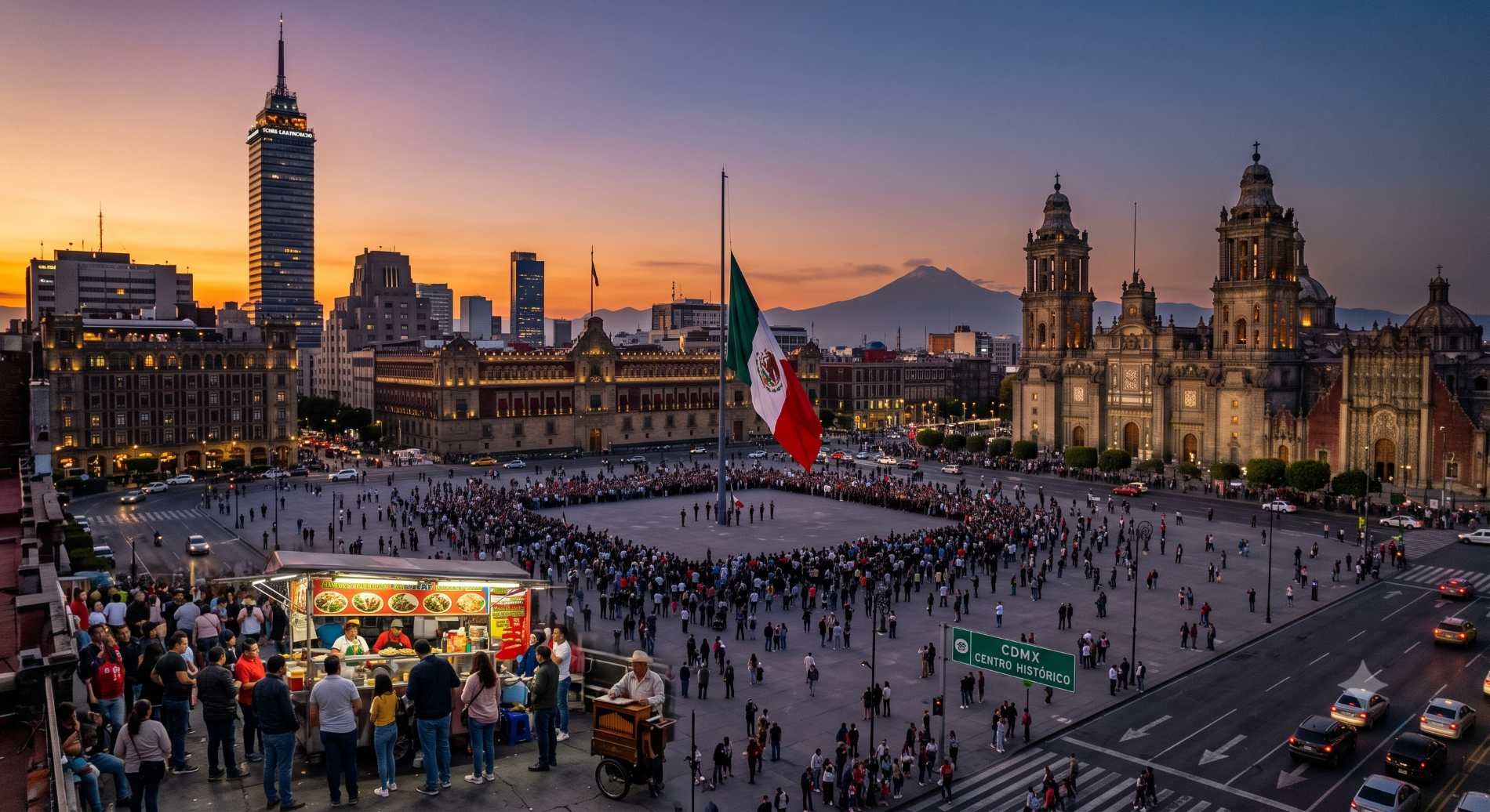
The historic center is particularly important, with Zócalo, Metropolitan Cathedral, Templo Mayor, and the Palacio de Bellas Artes forming some of the city's most recognizable landmarks.
Mexico City is also one of the world's great food destinations. Travelers can try tacos al pastor, tamales, chilaquiles, mole, quesadillas, street food, contemporary Mexican cuisine, and traditional market dishes.
Beyond the historic center, neighborhoods such as Roma Norte, Condesa, Polanco, Coyoacán, Juárez, and San Ángel provide different experiences ranging from cafés and design shops to museums, galleries, parks, and historic architecture.
Mexico City suits a wide range of travelers, including history lovers, food travelers, art enthusiasts, families, couples, photographers, museum lovers, architecture enthusiasts, and visitors looking for a major cultural city experience.
Before booking, travelers can use Touratu's interactive maps and narrated destination guide videos to compare Mexico City's neighborhoods, attractions, museums, restaurants, accommodation areas, markets, parks, day trips, and transportation routes.
Quick Facts
| Category | Information |
|---|---|
| Country | Mexico |
| Capital | Mexico City |
| Region | Central Mexico |
| Famous For | History, museums, food, architecture, art, culture, and neighborhoods |
| Historic Center | Centro Histórico |
| Main Square | Zócalo |
| Ancient Heritage | Tenochtitlan / Aztec civilization |
| Major Museum | National Museum of Anthropology |
| Famous Park | Chapultepec |
| Historic Neighborhood | Coyoacán |
| Popular Modern Areas | Roma Norte, Condesa, Polanco, Juárez |
| Main Travel Style | Culture, history, food, art, architecture, and urban travel |
| Currency | Mexican peso (MXN) |
| Language | Spanish |
| Ideal Stay | 4–6 days |
Why Visit Mexico City?
- Explore the historic center.
- Visit the Zócalo.
- Discover the remains of Tenochtitlan.
- Visit the National Museum of Anthropology.
- Explore Chapultepec Park.
- See the Palacio de Bellas Artes.
- Explore Coyoacán.
- Visit the Frida Kahlo Museum.
- Walk through Roma Norte and Condesa.
- Try authentic Mexican food.
- Explore traditional markets.
- Discover world-class museums.
- Visit historic churches and palaces.
- Explore Mexican art and architecture.
- Experience the city's vibrant café culture.
- Take a day trip to Teotihuacan.
- Explore colorful neighborhoods.
- Enjoy Mexico City's nightlife.
Main Attractions in Mexico City
Zócalo
The Zócalo is Mexico City's central historic square and one of the largest public plazas in the world.
It is surrounded by some of the city's most important historic buildings and provides an excellent starting point for exploring Centro Histórico.
Best for: First-time visitors, history, architecture, photography, and sightseeing.
Metropolitan Cathedral
The Metropolitan Cathedral is one of Mexico City's most important religious and architectural landmarks.
Located beside the Zócalo, the cathedral reflects centuries of architectural development and Mexican religious history.
Best for: Architecture, history, culture, and photography.
Templo Mayor
Templo Mayor was one of the principal temples of Tenochtitlan.
The archaeological site and museum provide insight into the Aztec capital that existed before the Spanish conquest.
Best for: History, archaeology, culture, and first-time visitors.
Palacio de Bellas Artes
The Palacio de Bellas Artes is one of Mexico City's most recognizable buildings.
The cultural center is known for its architecture, murals, exhibitions, and performing arts.
Best for: Art, architecture, culture, photography, and history.
National Museum of Anthropology
The National Museum of Anthropology is one of the most important museums in Mexico.
Its extensive collections explore the country's Indigenous civilizations and archaeological heritage.
Best for: History, archaeology, families, students, and culture travelers.
Chapultepec Park
Chapultepec is one of the world's largest urban parks and an important recreational and cultural area.
The park contains museums, monuments, gardens, lakes, and Chapultepec Castle.
Best for: Families, couples, museums, walking, nature, and photography.
Chapultepec Castle
Located within Chapultepec Park, the castle offers panoramic views across parts of Mexico City and houses the National Museum of History.
Best for: History, architecture, photography, and scenic views.
Frida Kahlo Museum
The Frida Kahlo Museum, located in Coyoacán, occupies the artist's former home.
The museum provides insight into Kahlo's life, work, and personal environment.
Best for: Art, culture, photography, and Frida Kahlo enthusiasts.
Coyoacán
Coyoacán is one of Mexico City's most atmospheric historic neighborhoods.
Its plazas, colonial architecture, markets, cafés, churches, and cultural attractions make it popular with visitors.
Best for: Families, couples, history, food, photography, and relaxed sightseeing.
Famous Areas
Mexico City is enormous, and choosing the right neighborhood can significantly influence the travel experience.
Centro Histórico
The historic heart of the city.
Best for: History, architecture, museums, Zócalo, churches, and major landmarks.
Roma Norte
Known for tree-lined streets, cafés, restaurants, galleries, boutiques, and historic architecture.
Best for: Food, cafés, design, couples, nightlife, and longer stays.
Condesa
A leafy neighborhood known for parks, restaurants, cafés, art, and attractive early-20th-century architecture.
Best for: Couples, families, cafés, walking, and relaxed city experiences.
Polanco
An upscale district with luxury hotels, restaurants, shopping, galleries, and museums.
Best for: Luxury travelers, shopping, fine dining, and museums.
Coyoacán
A historic and cultural district with plazas, markets, museums, and traditional architecture.
Best for: Culture, families, history, art, and food.
Juárez
A central neighborhood with restaurants, cafés, bars, galleries, and a lively contemporary atmosphere.
Best for: Food, nightlife, design, and urban exploration.
San Ángel
Known for historic architecture, galleries, gardens, and cultural attractions.
Best for: Art, architecture, photography, and relaxed sightseeing.
Cultural & Heritage Experiences
Aztec Heritage
Mexico City's modern urban landscape exists on the site of the former Aztec capital of Tenochtitlan.
Templo Mayor and related museums provide opportunities to understand this history.
Colonial Mexico
Spanish colonial influence can be seen throughout Centro Histórico in churches, palaces, plazas, and civic buildings.
Mexican Muralism
Mexico City played a major role in the development of Mexican muralism.
Works associated with artists such as Diego Rivera, José Clemente Orozco, and David Alfaro Siqueiros can be found in different cultural institutions and historic buildings.
Frida Kahlo & Diego Rivera
The city has strong connections to two of Mexico's most internationally recognized artists.
Visitors can explore museums, cultural institutions, and locations associated with their lives and work.
Traditional Markets
Markets offer an opportunity to experience everyday Mexican food, crafts, produce, flowers, and local commerce.
Mariachi & Music
Live Mexican music can be found in various parts of the city, including traditional venues and restaurants.
Nature & Outdoor Attractions
Chapultepec Park
One of the city's most important green spaces.
Visitors can walk, cycle, visit museums, explore gardens, or simply take a break from the urban environment.
Xochimilco
Xochimilco is famous for its colorful traditional boats, known as trajineras, which travel along the area's historic canals.
The canals are associated with the agricultural landscape of the Valley of Mexico.
Best for: Families, groups, culture, photography, and relaxed outings.
Desierto de los Leones
This protected natural area on the outskirts of Mexico City offers forests, mountain scenery, trails, and historic buildings.
Best for: Hiking, nature, photography, and outdoor activities.
Day Trips to Mountains & Volcanoes
The region surrounding Mexico City contains mountains and volcanic landscapes.
Outdoor travelers can explore designated hiking areas with appropriate preparation and local guidance.
Food Experiences
Mexico City is one of the world's great food cities.
Tacos al Pastor
One of the city's most iconic foods.
Thin slices of seasoned pork are traditionally cooked on a vertical spit and served in tortillas with toppings.
Tamales
Corn-based dough filled with savory or sweet ingredients and steamed in a leaf wrapping.
Chilaquiles
A popular breakfast dish featuring tortilla pieces combined with salsa and various toppings.
Mole
Complex sauces made with combinations of ingredients such as chilies, spices, nuts, seeds, and other components.
Quesadillas
Mexico City is famous for its own interpretations of quesadillas, with fillings ranging from cheese and mushrooms to squash blossoms and other ingredients.
Street Food
Explore:
- Tacos
- Tlacoyos
- Tamales
- Elotes
- Esquites
- Tortas
- Quesadillas
- Churros
Mexican Breakfast
Try traditional breakfasts at local cafés and restaurants.
Contemporary Mexican Cuisine
Mexico City has an internationally respected fine-dining scene alongside traditional neighborhood restaurants and street vendors.
Markets
Traditional markets are excellent places to experience local ingredients, prepared foods, fresh produce, and Mexican snacks.
Shopping Experiences
Traditional Markets
Markets can be excellent places to find:
- Mexican crafts
- Textiles
- Ceramics
- Jewelry
- Food products
- Spices
- Sweets
- Souvenirs
Roma & Condesa
These neighborhoods have independent boutiques, design stores, bookstores, galleries, and specialty shops.
Polanco
A strong choice for luxury shopping and international brands.
Mexican Handicrafts
Look for:
- Pottery
- Textiles
- Embroidery
- Folk art
- Jewelry
- Decorative objects
Purchase traditional crafts respectfully and, where possible, support legitimate local artisans.
Family Travel in Mexico City
Mexico City can be an excellent family destination because it offers museums, parks, historic attractions, markets, food, and cultural experiences.
Best Family Experiences
1. Chapultepec Park
A large green space with museums, gardens, and attractions.
2. National Museum of Anthropology
Children can learn about Mexico's ancient civilizations through archaeological exhibits.
3. Zócalo
An easy starting point for exploring the historic center.
4. Xochimilco
A colorful boat ride through the canals can be memorable for families.
5. Coyoacán
Explore plazas, markets, cafés, and cultural attractions.
6. Papalote Museo del Niño
A children's museum offering interactive educational experiences.
7. Teotihuacan
An exciting day trip for older children interested in history and archaeology.
Family Tips
- Plan breaks between museums.
- Carry water.
- Use sun protection.
- Choose accommodation near convenient transportation.
- Keep children close in crowded markets and plazas.
- Avoid trying to visit too many museums in one day.
- Check attraction schedules before visiting.
- Allow extra travel time for traffic.
Couple Travel in Mexico City
Mexico City offers couples a combination of historic architecture, cafés, restaurants, art, parks, nightlife, and cultural experiences.
Romantic Experiences
1. Condesa Walk
Explore tree-lined streets, cafés, and parks together.
2. Sunset from Chapultepec Castle
Enjoy views across the city.
3. Coyoacán
Spend a relaxed afternoon exploring historic plazas and cafés.
4. Museum Date
Visit an art or history museum together.
5. Rooftop Dinner
Enjoy city views from a rooftop restaurant or bar.
6. Roma Norte
Explore restaurants, galleries, boutiques, and cafés.
7. Xochimilco
Take a private or small-group trajinera ride through the canals.
Hiking & Outdoor Activities
Mexico City's high-altitude location provides access to a variety of outdoor experiences.
Popular Outdoor Activities
- Walking tours
- Cycling
- Chapultepec Park walks
- Xochimilco boat rides
- Forest hikes
- Mountain excursions
- Archaeological day trips
- Photography
- Botanical gardens
- Urban parks
Hiking Tips
- Check altitude and weather conditions.
- Carry sufficient water.
- Wear comfortable footwear.
- Bring sun protection.
- Use layers because temperatures can change.
- Avoid unfamiliar mountain trails without preparation.
- Use local guides where appropriate.
- Start early for longer outdoor activities.
- Check transportation arrangements before leaving the city.
- Respect protected natural areas.
Suggested Mexico City Travel Route
One-Day Route
Stop 1 — Zócalo
Begin in the historic center.
Stop 2 — Metropolitan Cathedral
Explore the city's most important historic religious building.
Stop 3 — Templo Mayor
Discover the archaeological remains of Tenochtitlan.
Stop 4 — Local Lunch
Try tacos, tamales, quesadillas, or another Mexican specialty.
Stop 5 — Palacio de Bellas Artes
Visit one of the city's most iconic cultural buildings.
Stop 6 — Alameda Central
Take a relaxed walk through the historic park.
Stop 7 — Roma Norte
Finish the day with dinner and cafés.
Two-Day Route
Day 1 — Historic Mexico City
- Zócalo
- Metropolitan Cathedral
- Templo Mayor
- Historic streets
- Local lunch
- Palacio de Bellas Artes
- Alameda Central
- Evening dinner
Day 2 — Chapultepec & Museums
- Chapultepec Park
- National Museum of Anthropology
- Chapultepec Castle
- Polanco
- Dinner in Roma or Condesa
Three-Day Route
Day 1
Explore Centro Histórico.
Day 2
Explore Chapultepec, museums, and Polanco.
Day 3
Visit Coyoacán and the Frida Kahlo Museum, then explore Roma Norte or Condesa.
Four-Day Route
Day 1
Historic center and Zócalo.
Day 2
Chapultepec and museums.
Day 3
Coyoacán, San Ángel, and southern Mexico City.
Day 4
Choose between Xochimilco, Teotihuacan, additional museums, markets, or a food-focused day.
Five-Day Route
Day 1
Centro Histórico.
Day 2
Chapultepec and Anthropology Museum.
Day 3
Coyoacán and Frida Kahlo Museum.
Day 4
Teotihuacan day trip.
Day 5
Roma, Condesa, markets, shopping, and food.
Accommodation Areas
| Traveler Type | Best Area | Experience |
|---|---|---|
| First-time visitors | Centro / Roma Norte | Major attractions, restaurants, and transportation |
| Families | Condesa / Polanco | Parks, museums, restaurants, and comfortable hotels |
| Couples | Roma Norte / Condesa | Cafés, restaurants, architecture, and nightlife |
| Luxury travelers | Polanco | Luxury hotels, shopping, museums, and fine dining |
| Budget travelers | Centro / Roma | Hostels, guesthouses, and local restaurants |
| Food travelers | Roma Norte / Condesa | Restaurants, cafés, markets, and food experiences |
| Museum lovers | Polanco / Chapultepec area | Easy access to major museums |
| Nightlife travelers | Roma Norte / Juárez / Condesa | Bars, restaurants, and entertainment |
| History travelers | Centro Histórico | Historic buildings, museums, and archaeological sites |
| Long-stay travelers | Roma / Condesa | Walkability, cafés, shops, and restaurants |
When choosing accommodation, consider neighborhood atmosphere, access to public transportation, walking distance, nightlife noise, restaurant options, safety considerations, and proximity to major attractions.
Transportation Tips
Mexico City International Airport
Mexico City International Airport provides major domestic and international connections.
Allow additional time for traffic when traveling between the airport and accommodation.
Metro
Mexico City's Metro system is one of the most extensive and affordable ways to move around the city.
It can be particularly useful for budget travelers, although some stations and trains can become very crowded.
Metrobús
The Metrobús network provides another useful public transportation option.
Taxis and Ride-Hailing
Official taxis and established ride-hailing services can be convenient, particularly at night or when traveling with luggage.
Walking
Neighborhoods such as Roma Norte, Condesa, Centro Histórico, Coyoacán, and Polanco can be excellent for walking within specific areas.
Tourist Buses
Hop-on hop-off sightseeing buses can be useful for travelers who want an overview of major landmarks.
Tours
Organized tours can simplify day trips to Teotihuacan, Xochimilco, mountain areas, and other attractions outside central neighborhoods.
Best Time to Visit
Mexico City can be visited throughout the year.
Dry Season
The drier months are generally favorable for sightseeing and outdoor activities.
Rainy Season
Rain is more common during the summer months and can occur particularly in the afternoon.
Plan outdoor activities with flexibility.
Spring
Spring can provide pleasant sightseeing conditions, although temperatures can become warm during the day.
Autumn
Autumn can offer comfortable conditions for exploring the city.
Winter
Winter mornings and evenings can feel cool, while daytime conditions can remain pleasant.
Weekdays
Weekdays can be useful for visiting museums and major attractions with fewer leisure crowds.
Weekends
Popular neighborhoods, parks, markets, and attractions can become busy.
Travel Tips
- Take Mexico City's altitude seriously — allow yourself time to adjust.
- Drink plenty of water.
- Use sun protection.
- Carry a light jacket or layers.
- Wear comfortable walking shoes.
- Use reputable transportation.
- Keep valuables secure in crowded areas.
- Try local street food from busy, reputable vendors.
- Book popular museums ahead when necessary.
- Avoid packing too many museums into one day.
- Start sightseeing early.
- Allow extra time for traffic.
- Explore different neighborhoods rather than staying only in the historic center.
- Try traditional Mexican breakfast.
- Visit at least one market.
- Keep rain protection available during wetter months.
- Check attraction schedules before departure.
- Use licensed or reputable guides for specialized excursions.
Common Mistakes to Avoid
1. Underestimating the Size of the City
Mistake: Assuming attractions across Mexico City are close together.
Solution: Group activities by neighborhood.
2. Ignoring Altitude
Mistake: Immediately planning an exhausting schedule.
Solution: Give yourself time to adjust, particularly during the first day.
3. Visiting Only the Historic Center
Mistake: Missing Mexico City's diverse neighborhoods.
Solution: Explore Roma, Condesa, Coyoacán, Polanco, and other areas.
4. Overloading the Itinerary With Museums
Mistake: Visiting several major museums in a single day.
Solution: Choose one or two major museums and leave time for neighborhoods and food.
5. Skipping Street Food
Mistake: Eating only at hotel or international restaurants.
Solution: Try tacos, tamales, quesadillas, tlacoyos, and other local foods from reputable vendors.
6. Ignoring Traffic
Mistake: Assuming journeys will take the same amount of time throughout the day.
Solution: Build extra time into your itinerary.
7. Treating Every Neighborhood the Same
Mistake: Choosing accommodation without considering atmosphere.
Solution: Select an area based on whether you prioritize history, food, nightlife, museums, luxury, or walkability.
8. Forgetting Rain
Mistake: Planning an entire outdoor day without backup options.
Solution: Keep museums, cafés, markets, and restaurants available as alternatives.
9. Missing Teotihuacan
Mistake: Assuming Mexico City is only an urban destination.
Solution: Consider a day trip to the ancient archaeological site.
10. Rushing Through Coyoacán
Mistake: Visiting the Frida Kahlo Museum and immediately leaving.
Solution: Allow time to explore the surrounding plazas, streets, markets, and cafés.
Touratu Insight
Mexico City works best as a deep cultural city experience rather than a simple sightseeing stop.
Its greatest appeal comes from the combination of ancient civilizations, colonial architecture, Mexican art, world-class museums, neighborhoods, markets, food, parks, and contemporary urban culture.
A good itinerary should balance major landmarks with everyday experiences.
Spend time in the historic center, but also explore neighborhoods such as Roma Norte, Condesa, Coyoacán, Polanco, and San Ángel. Visit a major museum, but leave time for a market, café, taco stand, or neighborhood walk.
For families, museums, parks, Xochimilco, Coyoacán, and archaeological attractions provide a wide range of experiences.
Couples can combine architecture, cafés, museums, parks, rooftop restaurants, and evening walks.
For history travelers, the combination of Templo Mayor, the historic center, Chapultepec Castle, the National Museum of Anthropology, and Teotihuacan provides an exceptional introduction to Mexico's past.
Food travelers should make Mexican cuisine a central part of the itinerary rather than treating restaurants as an afterthought.
Mexico City is also an excellent base for exploring central Mexico. Travelers can combine it with Teotihuacan, Puebla, Toluca, Valle de Bravo, or other destinations depending on the length of their trip.
Before booking, use Touratu's interactive maps and narrated destination guide videos to understand where Mexico City's historic center, museums, neighborhoods, restaurants, markets, accommodation areas, parks, and day-trip routes are located.
Frequently Asked Questions
1. What is Mexico City famous for?
Mexico City is famous for its Aztec heritage, historic center, museums, Mexican cuisine, art, architecture, markets, parks, and diverse neighborhoods.
2. What are the best places to visit?
Major attractions include:
- Zócalo
- Metropolitan Cathedral
- Templo Mayor
- Palacio de Bellas Artes
- National Museum of Anthropology
- Chapultepec Park
- Chapultepec Castle
- Frida Kahlo Museum
- Coyoacán
- Roma Norte
- Condesa
- Xochimilco
3. Is Mexico City worth visiting?
Yes. It is particularly appealing to travelers interested in history, food, art, architecture, culture, museums, and urban experiences.
4. How many days are enough?
4–6 days is a good amount of time for a first visit.
Travelers interested in museums, food, and day trips can easily spend a week or longer.
5. Is Mexico City good for families?
Yes. Families can enjoy museums, Chapultepec Park, Xochimilco, Coyoacán, archaeological sites, and interactive attractions.
6. Is Mexico City good for couples?
Yes. Couples can enjoy cafés, museums, historic neighborhoods, parks, rooftop dining, art galleries, and cultural experiences.
7. What food should I try?
Try tacos al pastor, tamales, chilaquiles, quesadillas, tlacoyos, mole, elotes, esquites, tortas, and churros.
8. Where should I stay?
Centro Histórico is ideal for history and major landmarks.
Roma Norte and Condesa are excellent for food, cafés, nightlife, and walkability.
Polanco is well suited to luxury travelers and museum lovers.
Coyoacán is ideal for travelers interested in historic neighborhoods and cultural experiences.
9. Is Mexico City expensive?
Mexico City offers a wide range of prices.
Budget travelers can find affordable local restaurants, public transportation, markets, and accommodation, while luxury hotels and fine dining can be considerably more expensive.
10. Can I visit Mexico City without a car?
Yes. Public transportation, walking, taxis, ride-hailing services, and organized tours make it possible to explore the city without renting a car.
11. Is Mexico City safe for tourists?
Visitors should use normal big-city precautions, stay aware of their surroundings, protect valuables in crowded areas, and choose reputable transportation and tour providers.
Neighborhood conditions can vary, so travelers should research their accommodation area before booking.
12. What is the best day trip from Mexico City?
Teotihuacan is one of the most popular day trips because of its monumental archaeological remains and proximity to the city.
13. Is the Frida Kahlo Museum worth visiting?
Yes, particularly for travelers interested in Mexican art, Frida Kahlo, Diego Rivera, and cultural history.
14. Is Xochimilco worth visiting?
Yes. A trajinera ride provides a distinctive cultural experience and a different perspective on Mexico City's historic waterways and agricultural heritage.
15. Is Mexico City good for food travelers?
Absolutely. The city offers everything from street tacos and traditional markets to contemporary Mexican cuisine and internationally recognized restaurants.
16. Can Mexico City be combined with other destinations?
Yes. It can be combined with Puebla, Teotihuacan, Valle de Bravo, Toluca, and other central Mexican destinations.
17. What should I pack?
Bring comfortable walking shoes, lightweight clothing, sun protection, a light jacket or layers, rain protection during wetter months, and a reusable water bottle.
18. Why should travelers explore Mexico City before booking?
Mexico City is enormous and its neighborhoods offer very different experiences.
Understanding the geography helps travelers choose the right accommodation area and efficiently organize museums, historic attractions, restaurants, markets, parks, nightlife, and day trips.
19. How can Touratu help plan a Mexico City trip?
Touratu helps travelers explore Mexico City through interactive maps and narrated destination guide videos, compare neighborhoods and accommodation areas, discover attractions and museums, understand transportation routes, explore restaurants and markets, find day trips, and build a personalized itinerary before booking.
Key Takeaways
- Mexico City is one of the world's most important cultural, historical, and culinary destinations.
- The city combines Aztec heritage, colonial history, Mexican art, modern neighborhoods, museums, parks, and exceptional food.
- Zócalo and Centro Histórico are essential for first-time visitors.
- Templo Mayor provides an important connection to the city's Aztec past.
- National Museum of Anthropology is one of the city's most important museums.
- Chapultepec Park combines nature, museums, monuments, and history.
- Coyoacán is ideal for culture, history, art, and relaxed exploration.
- Roma Norte and Condesa are strong choices for restaurants, cafés, design, and nightlife.
- Polanco is suited to luxury travelers, museums, shopping, and fine dining.
- Mexican food should be a central part of the experience.
- 4–6 days is a good starting point for a first visit.
- Travelers should consider Mexico City's high altitude, traffic, weather, and enormous size when planning their itinerary.
- Teotihuacan is one of the most popular day trips.
- Mexico City works well for families, couples, food travelers, history lovers, art enthusiasts, and photographers.
- Touratu can help travelers explore Mexico City's attractions, museums, neighborhoods, restaurants, markets, accommodation areas, transportation routes, and day trips before booking.
Loading activities…