
Data provided by Touratu - Belgium
Belgium
The Touratu Guide to
Belgium
2 States to Explore in Belgium
UPDATED AUGUST 11, 2026
Explore Belgium Travel Map & Highlights
Belgium Brief
Belgium is a compact Western European nation known for its medieval architecture, world-class chocolate, and beer culture. Located at the heart of Europe, Belgium offers travelers a mix of historic city centers, Flemish traditions, and cosmopolitan experiences. The country is small enough to explore multiple destinations in a single trip, making it ideal for travelers seeking concentrated cultural immersion.
• Capital: Brussels • Currency: Euro (EUR) • Official Language: Dutch (Flemish), French, German • Main Religion: Christianity (Roman Catholic) • Best Months: April–May, September–October • Average Weather: Mild temperate; cool winters (2–7°C), moderate summers (15–22°C) • Famous Tourist Cities: Brussels, Bruges, Antwerp, Ghent, Liège • Time Zone: Central European Time (CET/CEST) • Visa Note: EU/EEA citizens unrestricted; non-EU visitors check Schengen requirements • Popular Experiences: Chocolate tasting, beer sampling, canal tours, medieval market squares, cycling through Flanders, museum visits
Belgium Travel Guide, Tips & Tour Links
Data provided by Touratu - Belgium
Activities
GYG Activities List
Loading activities…
Viator Belgium
Loading Viator activities…
Popular Destinations in Belgium
Stories About Belgium
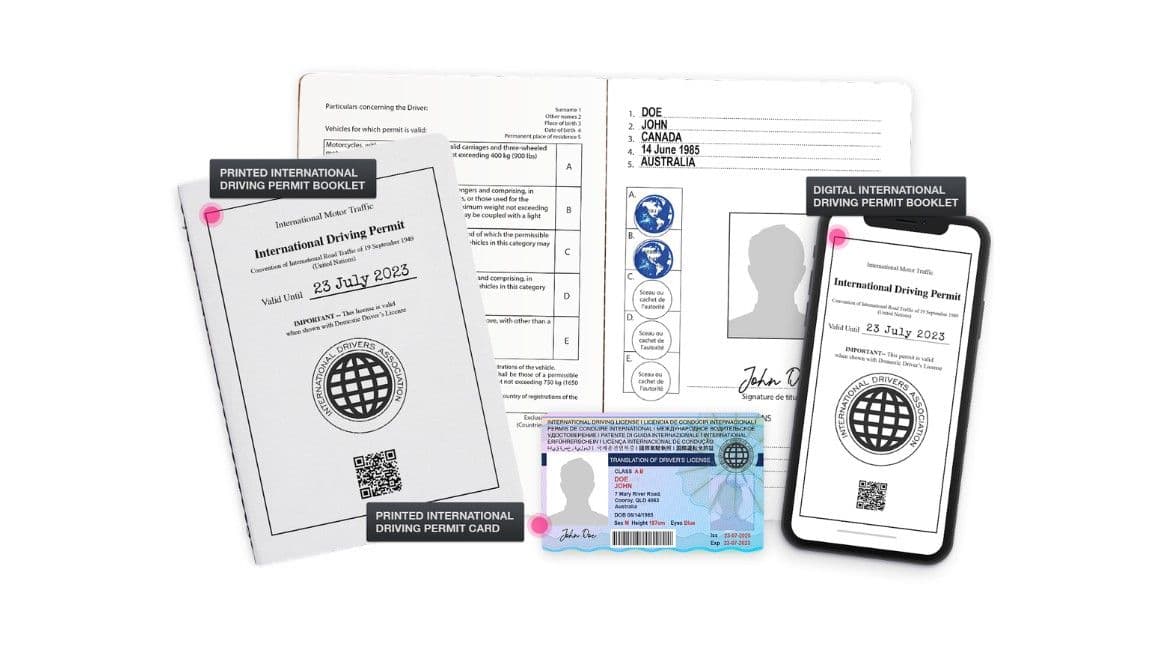
International Driving Permit (IDP): Everything Travelers Need to Know Before Driving Abroad
Touresh
September 14, 2026
Planning to rent a car on your next international trip? An International Driving Permit (IDP) can save you from unexpected problems at rental counters and police checkpoints. Learn everything you need to know before driving abroad.

Belgium Travel Guide: Places to Visit, Attractions, Travel Videos & Interactive Map
Yash
September 14, 2026
Belgium offers an impressive variety of experiences within a compact area, making it easy to combine medieval cities, vibrant cultural hubs, scenic countryside, and coastal destinations in one trip. Explore Brussels, Bruges, Ghent, Antwerp, Dinant, and the Ardennes while discovering local cuisine, festivals, and outdoor adventures. Touratu helps travelers explore Belgium before they visit through interactive maps, verified narrated destination guide videos, nearby attractions, hotel discovery, and practical planning resources, making it easier to build smarter itineraries and travel with confidence.
Hotel Deals
Agoda Belgium
Loading activities…
Lists Featuring Belgium
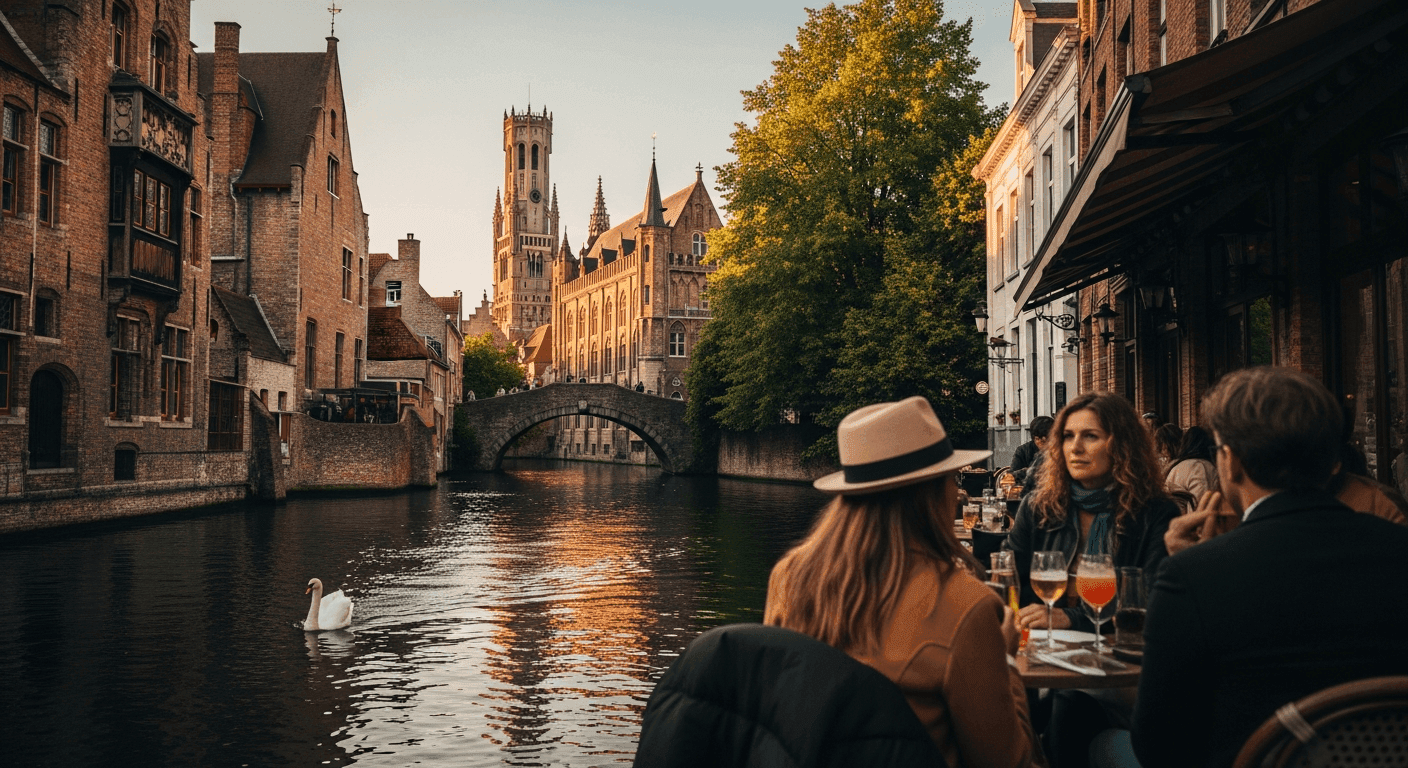
Popular Destinations near Belgium
Frequently Asked Questions About Belgium
Everything you need to know before visiting Belgium
