
Data provided by Touratu - Philippines
Philippines
The Touratu Guide to
Philippines
10 States to Explore in Philippines
UPDATED AUGUST 11, 2026
Explore Philippines Travel Map & Highlights
Philippines Brief
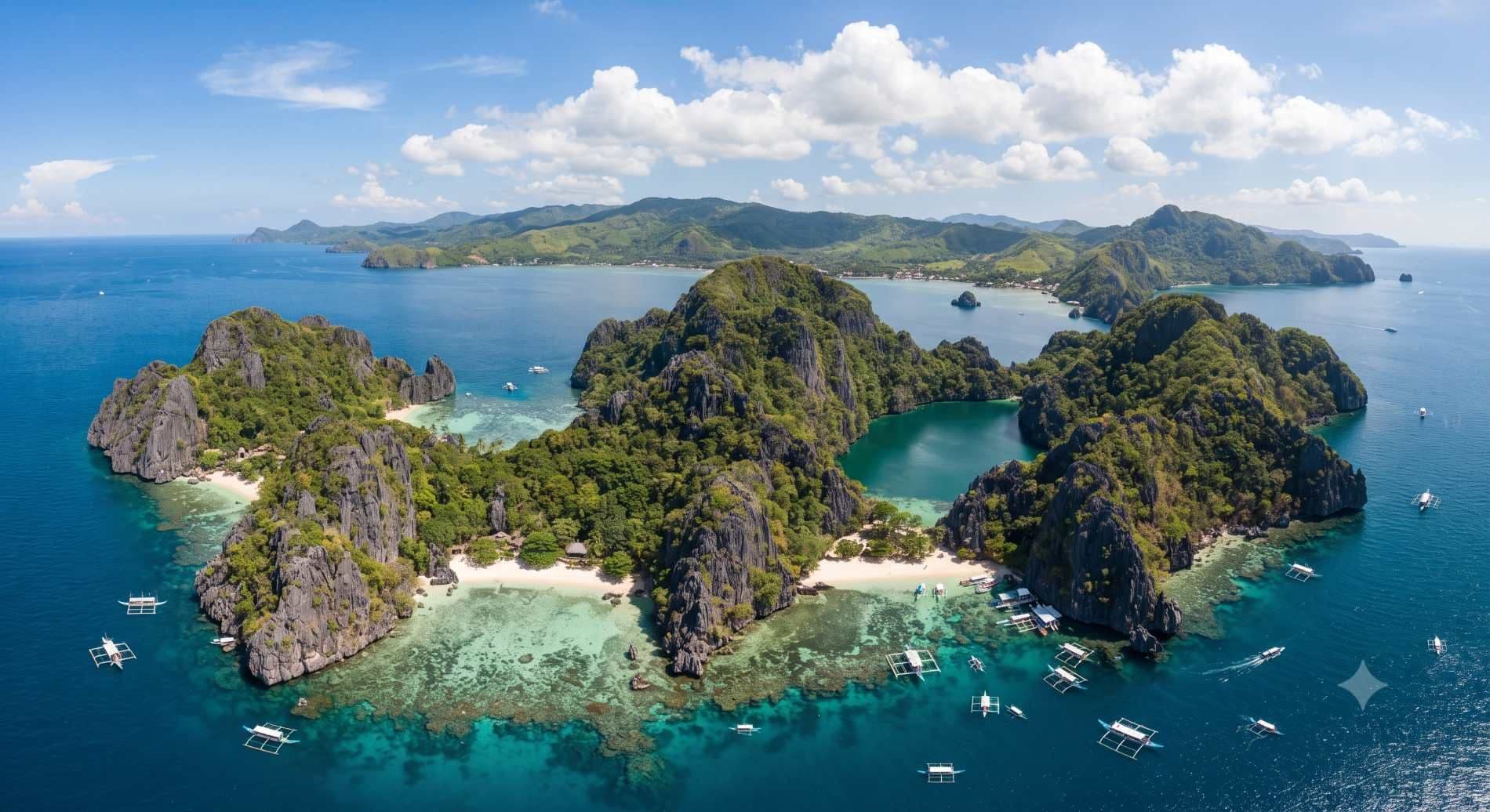
The Philippines is a Southeast Asian archipelago of over 7,000 islands known for pristine beaches, coral reefs, and rich cultural heritage. Popular for island-hopping, diving, and experiencing local traditions, it offers affordable travel options and diverse landscapes from Palawan's limestone cliffs to Mindanao's highlands. The country blends Spanish colonial history with indigenous cultures and modern Filipino hospitality.
- Capital: Manila
- Currency: Philippine Peso (PHP)
- Official Language: Filipino (Tagalog)
- Main Religion: Christianity (Roman Catholicism)
- Best Months: November to April (dry season)
- Average Weather: 25-32°C year-round; tropical and humid
- Famous Tourist Cities: Manila, Cebu, Palawan, Boracay, Siargao
- Time Zone: Philippine Standard Time (UTC+8)
- Visa Note: Most nationalities receive 30 days visa-free on arrival
- Popular Experiences: Island hopping, scuba diving, rice terraces, beach resorts, volcano trekking
Philippines Travel Guide, Tips & Tour Links
Data provided by Touratu - Philippines
Activities
GYG Activities List
Loading activities…
Viator Philippines
Loading Viator activities…
Popular Destinations in Philippines
Stories About Philippines

Philippines Travel Guide: Explore Islands, Beaches & Tropical Adventures
Yash
September 14, 2026
The Philippines is a breathtaking Southeast Asian archipelago made up of more than 7,600 islands, renowned for its white-sand beaches, crystal-clear waters, tropical islands, lush mountains, vibrant cities, and warm hospitality. Travelers can explore Manila, Palawan, Boracay, Cebu, Bohol, and Siargao, while enjoying island hopping, snorkeling, scuba diving, whale shark encounters, waterfalls, rice terraces, and rich Filipino culture. Touratu helps travelers explore the Philippines before visiting through interactive maps, AI-powered narrated destination guide videos, accommodation discovery, curated attractions, and smart itinerary planning tools, making it easy to create the perfect Philippines travel itinerary.
Surigao Island Travel Guide: Islands, Diving & Coastal Adventures
Yash
September 14, 2026
Siargao combines world-class surfing, Sugba Lagoon, island hopping, rock pools, beaches, mangroves, and vibrant island culture. Touratu helps travelers explore attractions, compare experiences, and confidently plan Philippines journeys before booking.
Hotel Deals
Agoda Philippines
Loading activities…
Frequently Asked Questions About Philippines
Everything you need to know before visiting Philippines
