
20 British Places Travelers Keep Revisiting
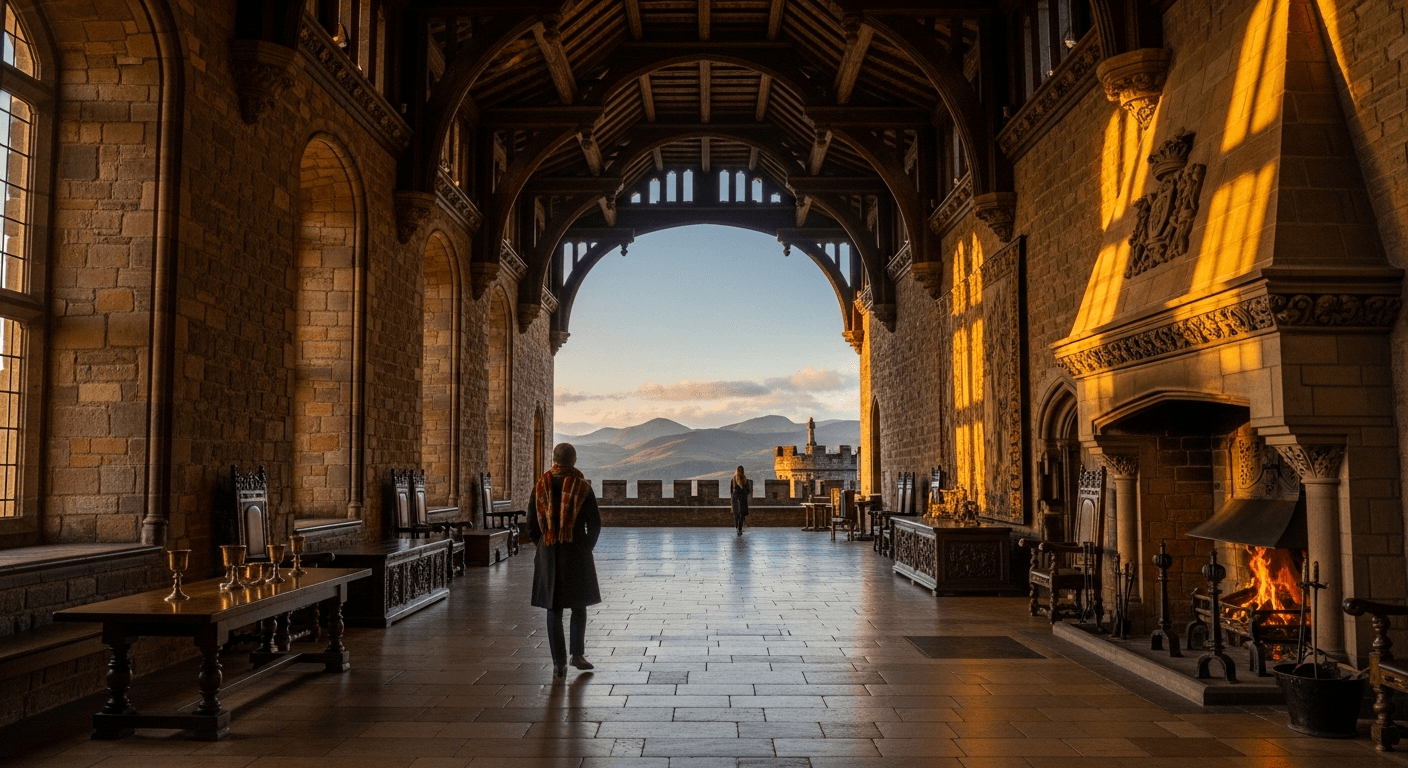
Why Travelers Keep Coming Back to These 20 Places in the United Kingdom
There's something about Britain that doesn't quite leave you when you go. Not the postcard version—the red buses and phone boxes—but the texture of it: the particular slant of light through a Yorkshire fog, the precise geometry of a National Trust garden, the way a stranger in a Cotswold pub might spend twenty minutes explaining the history of their village. The UK invites obsession in travelers. They return not because they've missed a checklist item, but because there's always another layer.
The appeal isn't universal beauty—half the landscape is industrial or mundane depending on where you look. Rather, it's the accumulated detail. A Roman stone wall running through a farmer's field. A Victorian arcade where nothing's changed in 140 years except the inventory. The specific accent of a fishmonger in Borough Market that immediately tells you which London neighborhood you've wandered into. Travelers come back because they're chasing these moments, these small collisions between history and ordinary life.
The Twenty Places That Linger
1. The Scottish Highlands (Glencoe and Beyond)
There's a point on the A82 where the valley opens and you understand why people write poetry. Glencoe doesn't perform—it simply exists with overwhelming presence, all purple-grey mountain and restless weather. But the magic isn't in the view; it's in the solitude. You can walk these trails and see perhaps two other humans in six hours. The best season is May, when the light refuses to set and the midges haven't yet emerged en masse. Photograph the hidden waterfall at Buachaille Etive Mòr in the early morning when mist still clings to the peaks. Practically speaking: the weather changes in minutes. Bring three jackets and wear merino. The village of Glencoe has good cafés, but your real sustenance comes from the silence.
2. The Cotswolds (Bourton-on-the-Water and Beyond)
Bourton-on-the-Water feels like a trap for tourists—honey-colored stone, willows draped over a shallow river, gardens erupting with color. Yet something genuinely affecting happens if you arrive in late afternoon when the tour buses empty. The light turns golden and specific. You see why British painters have been obsessed with this particular quality of countryside for 300 years. Explore beyond the main street into Swell Bottom and you'll find the landscape almost unchanged since the 17th century. Visit September through October for warm days without crowds, and the hedgerows turning copper. The photographic moment: wet stones on the bridge, willows' shadow, someone's dog padding through water. Stay in smaller villages like Upper Slaughter (no, genuinely) and you'll eat better and understand the rhythm of the English village more completely.
3. Hadrian's Wall, Northumberland
Walking sections of this 2,000-year-old Roman barrier isn't about history appreciation—it's about the disorientation of standing where empires once drew lines. The wall runs through moorland and into villages, sometimes you're hiking through someone's backyard where the stones are just part of the field. The Northumberland coast beyond the wall is where most travelers miss entirely: vast golden beaches and small fishing villages where fish-and-chips tastes like it did in 1952. Best visited March to May when the light is clear and the weather almost cooperative. Photograph the wall at Sycamore Gap where the solitary tree catches that perfect digital-photography light. Practically: stay in Hexham or Corbridge for proper civilization with excellent restaurants. The walk itself requires decent boots and realistic expectations about the weather.
4. St. Ives, Cornwall (and the Tate)
St. Ives has the complicated position of being both a genuine working fishing village and a destination for art lovers. The harbor still smells of fish and paint in equal measure. The Tate St. Ives sits deliberately built into the landscape, windows framing the sea as part of the artwork. The beaches nearby—Porthgwidden and Porthminster—have an almost Mediterranean light when the Atlantic cooperates. Late April through early June feels right: sun exists, water is still cold, but the psychological warmth changes everything. The photography moment happens on the causeway at low tide with sunlight turning water the color of copper. A local truth: eat breakfast at one of the cafés overlooking the harbor, not at the restaurants. They're cheaper and better. Book accommodations inland a few streets from the harbor and you'll wake without the noise of drunken tourists.
5. Oxford's College Quads and the Covered Market
Oxford asks you to move slowly. The colleges were designed to be discovered on foot, preferably in autumn when undergraduate life resumes and the quads feel genuinely inhabited rather than performed. Christ Church's Great Hall is the one you recognize, but Magdalen's medieval quadrangle affects you differently—it's quieter, the stonework is exquisite, and far fewer people walk through. The Covered Market feels like Oxford's real heartbeat: flower stalls, butchers using techniques unchanged since the 1800s, coffee where locals actually sit. Early October feels absolutely right—just enough chill to warrant the velvet jacket aesthetic, but still warm enough for lingering in courtyards. Photograph the light hitting sandstone in the late afternoon when shadows turn architectural. Practically: hire a college guide, not a broad university tour. They can access smaller courtyards and tell you which college gardens are legitimately worth seeing.
6. The Jurassic Coast, Dorset
Two-hundred-million years of geological history collapsed into thirty miles of coastline. You can read the Earth's history in the cliff faces: limestone, sandstone, clay, fossils. Lyme Regis is the small town anchoring the western end—Victorian, seaside, with a fossil museum that explains everything perfectly. The best walking isn't the famous sections but the quieter stretches east toward Abbotsbury, where you might be alone on the fossil shore. June through August brings sun, but also crowds. Visit April to May or September for solitude and golden light on the beaches. The photography moment: either abstract close-ups of fossils and colored stone, or wide views from the clifftops where the land just ends. Practical note: tide tables matter here. Check them before walking the shore. Bring a fossil guide; otherwise you're just looking at pretty rocks.
7. The Lake District (Grasmere and the Fells)
Wordsworth knew something about melancholy and water meeting mountains. Grasmere is still small enough to feel like a village, though it's crowded with literary pilgrims. The Fells surrounding it are the actual draw—you hike not for views but for the specific experience of being among mountains that aren't very high but demand respect. The weather here is genuinely unpredictable even in summer. Visit in late May or early September for the best balance of light and solitude. Photograph mist rolling off Helm Crag just after dawn. For lodging, stay in Ambleside rather than Grasmere and walk over to the lakes. This simple choice reduces tourist density significantly. Rydal Mount—Wordsworth's actual house with his gardens—tells you far more about him than any literary tour.
8. Windsor Castle and the Thames Valley
Windsor isn't subtle—a castle rises from the town, official flags indicate whether the monarch is in residence, the crowds are international and large. Yet early morning, before organized tours arrive, something authentic emerges. The walk along the Thames here is genuinely beautiful, less famous than the Cotswolds version, but the river feels real. The town outside the castle walls has restaurants and pubs where you're not the main attraction. June offers long light and clear days. Photograph the castle reflected in the Thames at dusk rather than the building itself. Stay in Eton (across the bridge) in a quiet guesthouse and commute; you'll eat better and sleep better. The schoolboys in their traditional dress walking between classes provide visual texture that reminds you this isn't a museum.
9. Portobello Road Market, London
This deserves mention not as a shopping destination but as a form of urban theater. Saturday mornings between 8 AM and noon, before the tourist crowds fully arrive, the market is a genuine neighborhood gathering place. Dealers, collectors, and locals intersect around antique stalls, vintage clothes, and food that smells like every culture that's ever lived in West London. You're not shopping; you're observing one of the few places in London where different economic classes still interact naturally. Arrive early, walk the entire length twice, photograph the crowds more than the goods. Eat something from a food stall—the people working them have usually owned their spot for decades. This isn't an Instagram moment; it's a texture moment.
10. Edinburgh's Royal Mile and Holyrood Park
Edinburgh performs its own mythology more successfully than most cities. The Royal Mile is legitimately touristy but also genuinely historic—medieval closes open into small courtyards where the city's texture becomes visible. Holyrood Park, immediately behind the Palace, provides the counterpoint: wild parkland in the middle of the city, Edinburgh's skyline receding as you climb Arthur's Seat. October through November feels right—cold but clear, tourists thinning, the light turning specific. Photograph the castle at dusk from Greyfriars Kirkyard. Stay in Leith (the harbor district) rather than on the Mile, eat at the fish restaurants there, and understand Edinburgh as a working port city, not just a festival destination. The walks around Duddingston Loch are where locals actually spend their free time.
11. The Cotswold Water Park
Few people know this exists. Near Cirencester, 150 small lakes were created by gravel extraction and now feel genuinely natural. You can paddle between them, walk around them, photograph the light reflecting off water with trees growing directly from the banks. It's the Cotswolds without the chocolate-box architecture, just landscape and solitude. August and September work well. The photography is abstract—light, reflection, tree shadow—rather than postcard-based. Bring binoculars; the birdlife is notable. This is where travelers discover something genuinely off-route.
12. Whitby, Yorkshire and the Coast
The harbor here feels functional still. Fishing boats alongside pleasure craft, seafood restaurants where the fish was unloaded that morning. The Gothic element—Dracula connections, the abbey on the hill—adds a layer without overwhelming the place. Walk the cliff paths east or west and you're completely alone. October through November feels right. Photograph the boats in harbor at golden hour or the abbey silhouette at dusk. Stay a full two days and do nothing the second day but walk and eat. This is where you understand why people stay in Yorkshire.
Moving Through Britain: The Practical Rhythm
The UK's infrastructure is designed for movement, but the real skill lies in ignoring some of it. Trains run everywhere, but they're expensive in summer. Buses are cheaper, slower, and reveal more landscape. Driving gives you access to villages unreachable by public transport, though the left-side driving takes approximately four hours to stop feeling surreal.
Neighborhoods in larger cities matter more than the cities themselves. London's Hampstead or Manchester's Castlefield feel distinct and real. Edinburgh's Stockbridge has character that the Royal Mile has optimized away. This distinction separates travelers who move through cities from those who inhabit them briefly.
Timing your visit requires accepting that summer is crowded. May and September offer sun without heat and without crowds. Winter is quiet and atmospheric but genuinely cold. Spring (March-May) offers light and lambs in fields. Fall (September-November) offers color and comfortable walking weather.
Small etiquette: queuing is taken seriously. Pubs have their own protocols—you order and pay at the bar, not at a table. Tipping is appreciated but not mandatory at restaurants (15% if service is exceptional). Say good morning to people in villages; it's expected and reciprocated.
Mapping Your Own Route
Touratu's interactive map lets you trace these journeys through other travelers' routes and visual discoveries—see not just where people go, but how they move between these twenty places, what they photograph, and which unexpected connections they find along the way. This is how the true British itinerary emerges, built from actual experience rather than guidebook directive.
The Real Draw
Travelers keep returning to the UK not because it's perfect, but because its imperfection is interesting. There's rarely a moment of pure transcendence, but there are countless moments of genuine connection—a conversation in a pub, the specific quality of light on stone, the discovery that a small village sixty miles from London operates on entirely different temporal rules. These moments accumulate into something that calls you back. The UK doesn't demand love; it invites it through attention.
Loading activities…
