
Spain Travel Guide: 20 Places That Make You Return
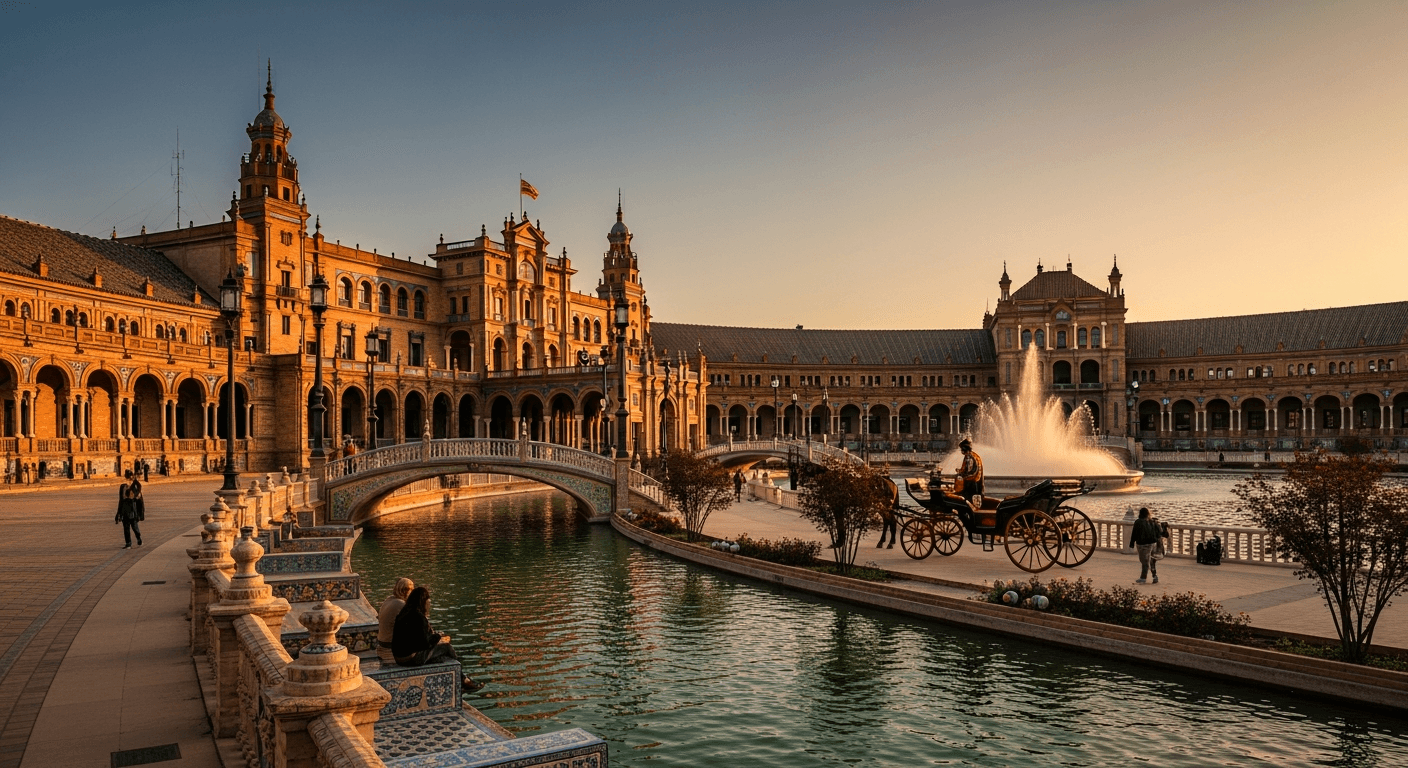
Spain: The Places That Linger Long After You've Left
There's something about Spain that doesn't let go. It's not just the light—though the light does something unforgivable to a traveler's sense of time—but the way entire cities seem to breathe at their own rhythm, indifferent to the rest of the world's hurry. You'll find yourself sitting in a plaza at 11 p.m., surrounded by people who've only just begun their evening, and realize that your entire understanding of how to live has shifted.
Spain doesn't advertise itself as transformative. It simply is, and travelers return because they recognize something in its unhurried wisdom. These aren't necessarily the places that dominate Instagram feeds or appear in guidebook hierarchies. They're the ones that replay in your mind on ordinary Tuesdays—the taste of a drink you had, the sound of a particular street corner, the feeling of understanding something ancient without anyone explaining it to you.
This is the Spain that keeps people coming back. Not once, but repeatedly, year after year, season after season.
The Twenty Places Worth Your Return
Barcelona's Gothic Quarter at dawn
There's a particular magic to being alone in the Gothic Quarter before 8 a.m., when the streets still belong to the stone itself rather than to tourists. The narrowness of these medieval passages creates an almost claustrophobic beauty—you feel less like you're sightseeing and more like you're trespassing in a living memory. The light hits the weathered facades at angles that make you understand why people moved here centuries ago and never left.
The best time is genuinely autumn, when Barcelona's summer saturation lifts. Every shopkeeper knows the seasonal reprieve and seems grateful. Stay in the small hotels along Carrer del Bisbe rather than near the cathedral; you'll wake to the actual rhythm of the neighborhood, not a curated tourist experience.
Photography moment: The intersection of Carrer del Bisbe and Carrer de la Paja, backlit by morning sun, where the architectural details reveal themselves.
Seville's Alcázar gardens
Most visitors rush through the palace rooms. The real return-trip magic lives in the gardens—specifically, in the late afternoon when tour groups thin and you can hear water moving through channels that date back to the 14th century. There's a sensory completeness here: jasmine, the sound of fountains, the way shadows move across tiled walls. It's intimate in the way only gardens can be when you're actually alone in them.
Go in April when the gardens are in full bloom but the heat hasn't yet made it oppressive. Bring a book and plan to sit for an hour. This isn't inefficiency; this is understanding how to truly experience a place.
Valencia's City of Arts and Sciences
Yes, it's contemporary, but there's something about arriving here on a quiet morning—the scale alone does something to your perspective. The architecture isn't beautiful in a comfortable way; it's unsettling, vast, asking you to reconsider what cities can be. The adjacent Turia Gardens offer a different kind of meditation: nine kilometers of green space where the city moves on foot and bicycle rather than through traffic.
Late November works perfectly—mild weather, fewer crowds, the city shifting back toward being for locals rather than visitors. Rent a bicycle and lose track of time moving through the gardens.
Photography moment: The sun reflecting off the hemispherical structure of L'Hemisfèric at the exact moment clouds break—you'll need patience, but it's worth it.
San Sebastián's food culture
This is the city people return to specifically for how it teaches you to eat. Not fine dining theater, but the pintxos culture—small, exquisite bites in neighborhoods where locals actually gather. The Parte Vieja (Old Town) has bars where you'll stand elbow-to-elbow with people who treat eating as a non-negotiable daily ceremony.
September, after summer tourism retreats and locals reclaim their city. Walk into bars without a plan, point at things that look interesting, and let conversation happen in broken Spanish. The people here are remarkably patient with sincere attempts at their language.
Córdoba's Mezquita and the river walk
The mosque-cathedral's interior is architecturally disorienting—a forest of striped arches that refuses to organize itself into a comprehensible pattern. Walk through it deliberately slowly. Then leave, cross the river at sunset, and look back at the city from the Puente Romano. The light does something architectural here; the entire city becomes something drawn rather than built.
May or October—you want the air to be precisely right. The Puente Romano is best crossed at the exact moment the sun hits the water. Plan for that, unrushed.
Ronda's clifftop solitude
Yes, the bridge is famous. But stay until evening, when day-trippers disperse and you can walk the cliff paths with genuine quiet. The landscape around Ronda—those dramatically fractured mountains—changes the way you think about geography. It's not decorative; it's structural in how it shapes human settlement and how it shapes the people who live here.
The white villages of Andalucía don't have peak seasons the way other Spanish destinations do. Any time outside July-August works. The Parque Natural de la Sierra de las Nieves offers hiking that puts you in silence you didn't know you were looking for.
Bilbao's Basque culture and the Ría
The Guggenheim gets attention, yes, but the real draw is how thoroughly Basque this city remains. The language is present, the culinary tradition is lived rather than performed, and the Ría (the tidal waterway) creates a completely different relationship between the city and water than you find elsewhere in Spain.
Walk the Camino de Santiago's final stretch if you're there in May or early June. Bilbao marks the end of the journey for many pilgrims, and being in the city during this time connects you to something much older than tourism.
Toledo's hidden monastery gardens
Most visitors photograph the cathedral and the El Greco paintings. The actual Spain emerges in the quiet monastery gardens on the city's edges—places like the gardens of San Juan de los Reyes, where you can sit among centuries-old walls and genuinely disappear.
November through February. The city becomes something different when temperatures drop and the light becomes clarified. Fewer people, clearer thinking.
Photography moment: The garden cloisters at San Juan de los Reyes, with light moving across stonework that's weathered in ways that feel almost like living sculpture.
Segovia's aqueduct and interior landscape
The Roman aqueduct is iconic, but what returns visitors is the larger landscape—rolling hills, forests, the sense that this region exists partially outside of time. Walk beyond the walled city into the surrounding countryside. Have a meal in a small village where you're the only obvious visitor.
March or April. The countryside greens after winter, and the light is clean without being harsh.
Granada's Albaicín and the Sierra Nevada view
The Alhambra is a destination; the Albaicín is where you understand Granada as a living city. Wander the narrow streets genuinely lost, stop for tea in small cafés, look at the Sierra Nevada mountains rising in the distance—that landscape shaped this entire city's identity. The contrast between the Islamic heritage and the mountain landscape is what makes this place coherent.
September or October. Summer heat here is genuinely punishing. Autumn brings clarity to those mountain views.
Jerez's sherry and flamenco ecosystem
Return here for the sensory completeness of how sherry, flamenco, and the landscape are inseparable. The bodegas are about the wine, yes, but more importantly, they're about how an entire region organized itself around a single agricultural philosophy. Then witness flamenco in actual flamenco contexts—not tourist performances, but the real thing in neighborhood venues where dancers are performing for people, not spectators.
October or November. The harvest season adds an extra layer of meaning to the wine culture. Flamenco season intensifies as summer heat passes.
Málaga's museums and beaches
This is where people often overlook something. Málaga has excellent museums (Picasso was born here), beaches that don't require a tourist resort, and a old town that genuinely functions as a neighborhood rather than a historical park. The Mercado de Atarazanas market still operates as it has—locals buying produce, not a heritage attraction for visitors.
May or early June. Summer brings package tourists; spring brings actual weather.
Photography moment: The light on the cathedral facades during the golden hour, when the interior stone becomes almost amber-colored.
Practical Rhythms for Moving Through Spain
Spanish cities operate on patterns that outsiders often misread as randomness. Shops close for several hours mid-afternoon—this isn't inefficiency, it's protection of something more important: the ability to eat, rest, and spend time with people rather than constantly being available for commerce. Moving with this rhythm rather than against it changes everything about your experience.
For transport between destinations, overnight buses used to be the traveler's tool; now, regional trains offer a better experience if you're not on an absolute budget. The Ave trains connect major cities efficiently, but regional trains—slower, cheaper—actually show you Spain rather than whisking you past it.
Neighborhoods matter more than we typically acknowledge. The difference between a hotel on the main tourist street versus two blocks deeper is the difference between observing Spain and inhabiting it, even temporarily. Book in secondary neighborhoods. Walk to main attractions rather than staying near them.
Restaurants: if there's a line of locals waiting to eat at 2 p.m., join them. Respect the timing of meals—lunch is the main meal, dinner is lighter. Many excellent restaurants close between meals entirely. This isn't inconvenience; it's an entire cultural stance about not existing in a state of constant availability.
Discovering Your Own Returns
The beauty of Touratu's interactive map is that it reveals where other thoughtful travelers have been and what routes they've taken. You'll notice patterns—the people who circle back to San Sebastián multiple times, the routes that connect smaller villages rather than moving solely through major cities. These aren't preset tourist paths; they're the actual movements of people learning Spain over time.
The Reason for Returns
Spain doesn't reveal itself all at once. It accumulates in you—in small moments, in the taste of local wine, in conversations that happen partly in Spanish and partly in gestures, in the particular quality of light on a particular evening. The travelers who come back aren't chasing new experiences; they're deepening relationships with places that've already started to matter.
That's the Spain worth returning to.
Loading activities…
