
South Africa: 20 Places Travelers Return To
South Africa: Why Travelers Keep Coming Back to These 20 Places
The light hits differently here. It's not just the clarity of the African sky or the way it dissolves into oceans on either coast—it's something about how it reveals and conceals simultaneously. You might arrive in South Africa planning a two-week itinerary and find yourself still here a month later, your return ticket gathering dust, because this country has a peculiar way of unraveling the traveler's urge to move. Places call you back.
This isn't about dramatic superlatives or checklist tourism. This is about the texture of return—those destinations that shift subtly with each visit, that contain multitudes, that refuse to be reduced to a single photograph or story. South Africa is a country that rewards the curious returner, the traveler willing to sit longer in uncertainty, to notice what changes between seasons and between who you were the last time you stood in these spaces.
What follows isn't a ranking but an offering: twenty places that keep drawing people back because they work on you slowly, then all at once.
The Twenty
1. Cape Town's Atlantic Seaboard There's a particular ache to watching sunset from Camps Bay Beach—the kind that makes you understand why people spend years trying to describe places they've only visited once. The mountains don't just loom; they hold the light like a secret. Return visitors know to abandon the crowded promenades and walk northward toward Tintswalo, where families and locals reclaim the sand. The thermal pools at the southern edge catch the fading sun differently each season. Photograph the mountains in late afternoon when their contours deepen from gold to burnt sienna. Arrive in December for the summer chaos, or October for the wind and clarity.
2. Robben Island's Layered Silence It's tempting to treat Robben Island as a historical pilgrimage, but returners know it as a place of profound quiet. The limestone quarry where political prisoners were forced to work still holds the weight of that labor—not as a museum performance, but as geological fact. Former political prisoners still guide tours occasionally, their presence transforming the experience from education into conversation. The ferry ride itself matters; stand on the deck and let the distance from the mainland reshape your sense of perspective. Winter visits (June-August) bring fewer tourists and a more contemplative atmosphere. Bring layers and patience.
3. Hermanus During Land-Based Whale Season Whale season (June to November) draws returners who understand that you don't go to Hermanus to see whales from boats—you position yourself on the cliffs and wait for whales to find you. There's an intimacy to this reversal, a humbling recognition of being observed rather than observing. Dey Island offers the least crowded vantage points if you're willing to walk. August brings peak whale activity but also peak crowds; July offers a subtler experience. The best photography happens in morning light when the whales' breath catches the sun.
4. The Winelands' Working Farms Stellenbosch and Franschhoek attract wine tourists, but repeat visitors venture to working estates where the wine business operates alongside agriculture, history, and genuine hospitality. De Meye and Mullineux require research to find—they don't advertise heavily. Spring (September-November) brings wild flowers between vineyard rows and a sense of the land regenerating. Wander through cellars without a guide occasionally; notice how terroir isn't a marketing term but a lived reality in how people speak about their soil. Photograph the mountains at dawn before tour buses arrive.
5. The Garden Route's Oudtshoorn Most travelers skim Oudtshoorn en route to elsewhere, missing that this town exists at the intersection of agricultural history, hidden geology, and complex social layering. The ostrich farms that made the town famous in the 1920s still operate; the Cango Caves descend into a different world entirely—cool, sculptural, overwhelming in scale. Return visitors know to stay overnight and experience the town's evening rhythm, when the tourist infrastructure quiets and locals reclaim the streets. Photograph the caves' formations in the harsh electric light; there's something honest about it rather than softened.
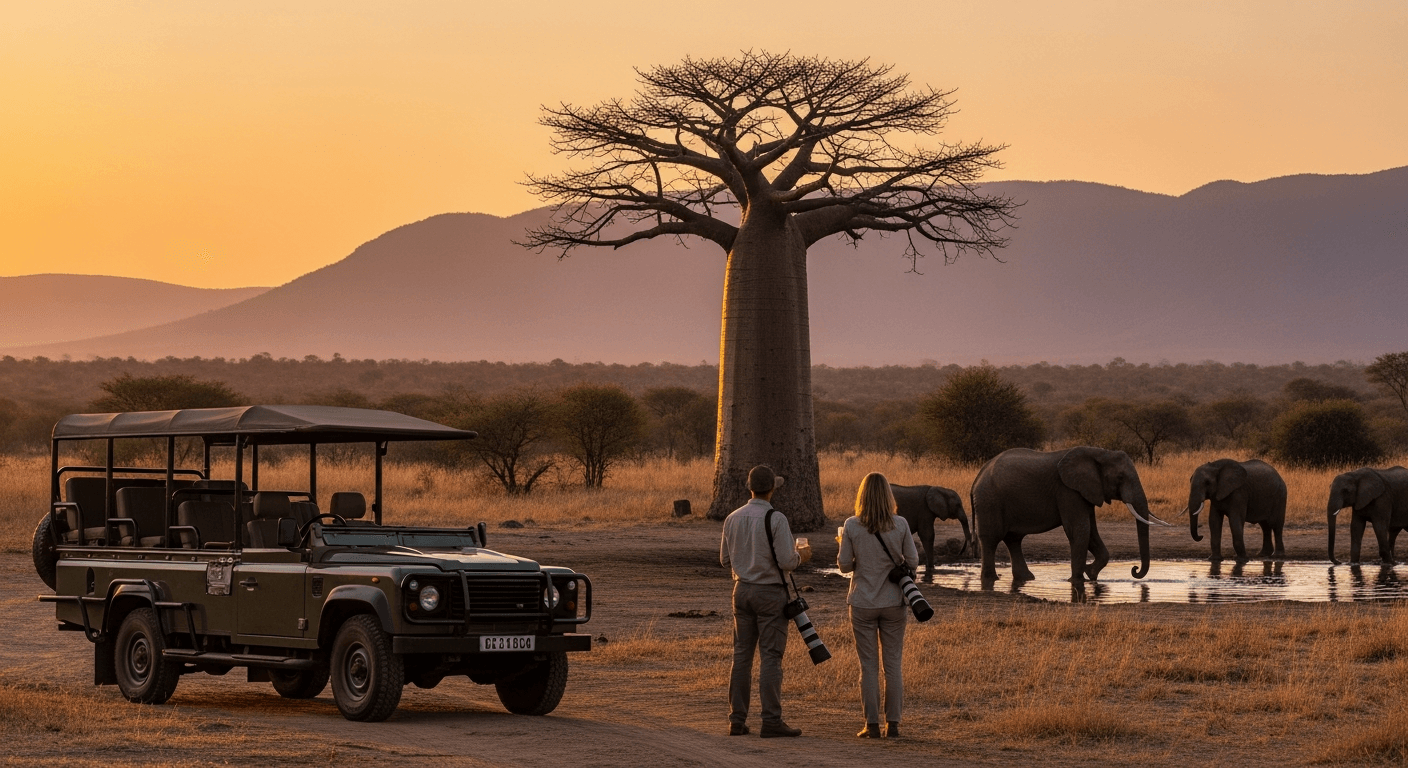
6. Kruger National Park's Lesser-Known Routes Everyone knows Kruger, but the park rewards strategic exploration. Pafuri, in the far north, feels fundamentally different from the central regions—more intimate, less predictable. Self-drive routes along secondary roads reveal wildlife dynamics that guided tours miss. Early morning drives (4:30 am departures) alter both what you see and how you experience seeing. Dry season (May-September) concentrates wildlife near water; rainy season (November-March) brings birds, vegetation, and a different aesthetic. The photography changes entirely depending on whether you're tracking predators or simply sitting still.
7. The Drakensberg Mountains' High Passes Cathedral Peak and the surrounding Drakensberg require moderate hiking to reveal themselves fully, which is precisely why they feel less overwhelmed than they might. The escarpment creates its own weather system; mist arrives and lifts suddenly, revealing and concealing the valleys below. Basotho cultural heritage threads through these mountains; visiting with awareness of this history rather than indifference matters. Spring (September-November) brings wildflower blooms and clearer visibility. Sunrise from high elevation is less about Instagram moments and more about the disorienting experience of being above the clouds.
8. Durban's Indian Market Quarter Durban's texture differs radically from Cape Town or Johannesburg. The Indian Market Quarter—Grey Street, the markets, the residential neighborhoods—contains a specific cultural and commercial complexity that outsiders often miss. Return visitors linger here longer, develop relationships with vendors, begin understanding the layered history beneath the surface commerce. Photography captures color and energy, but the real experience is auditory and olfactory: spice combinations, accents, the sound of negotiation in multiple languages.
9. The Cape Peninsula's Penguin Colonies Boulders Beach is crowded with good reason—African penguins are endemic and their behavior is genuinely captivating—but knowing to visit early morning or in winter shifts the experience entirely. The penguins aren't performing for crowds; crowds are simply present while penguins live. Late afternoon light on the granite boulders creates photographs that don't feel clichéd. Bring a book; sit. Let time pass differently than it normally does.
10. Johannesburg's Apartheid Museum This isn't a destination where you accumulate photographs. It's a place where you sit, read, watch archival footage, and spend hours confronting a history that still shapes present realities. Return visitors often process different exhibitions on different visits. Photography is permitted but secondary—the experience demands presence over documentation. Go on a quiet weekday if possible; the crowds thin and the atmosphere deepens.
11. The Wild Coast's Coffee Bay The coastline here refuses easy categorization. Cliffs and coves, pockets of traditional settlements, tourism infrastructure, and genuine wilderness coexist without clean resolution. Hole in the Wall requires a short walk to reach and a particular tide timing to enter; the experience of stepping through that aperture into a sea cave remains genuinely humbling. Accommodation ranges from luxury lodges to backpacker hostels; each offers different perspectives on the landscape and community dynamics. Winter brings clearer skies; summer brings warmer water and more travelers.
12. Soweto's Narrative Complexity Soweto contains more stories than any single visit can access. Vilakazi Street represents one dimension, but the neighborhoods beyond tourist routes contain lived complexity that resists neat narratives. Traveling with local guides rather than external tour companies shifts dynamics significantly. Photography without relationship feels extractive here; relationships make documentation feel like documentation rather than appropriation. Go slowly. Return. Listen more than you observe.
The Local Rhythm
Understanding South Africa requires accepting that it doesn't move at a single pace. In Cape Town, the traffic rhythm differs from Johannesburg's urgency, which differs from the rural Eastern Cape's temporal flexibility. Transportation between regions matters—a five-hour drive isn't just about distance but about how landscapes and communities transform incrementally. Rental cars offer flexibility but can isolate; using minibus taxis occasionally (particularly safe routes) provides insight into how people actually move through the country.
Neighborhoods carry weight here. Which neighborhood you stay in shapes not just your accommodation but your understanding of a city. In Cape Town, the difference between the Atlantic Seaboard, the city bowl, and the southern suburbs isn't just geographical—it's cultural, economic, and philosophical. In Johannesburg, Soweto, Sandton, and Maboneng represent radically different conversations. Choose neighborhoods consciously; the decision ripples outward.
Timing matters seasonally and politically. Summer months (December-February) bring heat, crowds, and school holidays; winter (June-August) brings clarity and fewer tourists. Spring (September-November) brings wildflowers and the specific energy of renewal. Also recognize that South Africa observes Human Rights Day (March 21), Freedom Day (April 27), and Heritage Day (September 24)—public holidays that reshape traffic and accessibility patterns.
Etiquette around photography differs by location. Wildlife photography operates under different rules than street photography; photographs in townships require genuine relationships and permission; photographs in wildlife spaces require respect for both animals and guides' expertise.
On the Map
If you're tracking movement through South Africa over multiple visits, Touratu's interactive map reveals how repeat travelers string together these twenty places—the routes chosen, the seasons attempted, the visual patterns that emerge when you watch someone's South African journey unfold across years rather than weeks.
Why People Return
South Africa doesn't reveal itself at tourist pace. It works on you through seasons, through contradictions, through conversations you didn't expect. People come back because the country contains more than they could process initially—more landscapes, more histories, more complexities of belonging and displacement and resilience. They return because light changes what they saw previously, because relationships deepen understanding, because certain places quietly restructure how you move through the world afterward.
The country asks something of its visitors: genuine presence, intellectual honesty, willingness to sit with discomfort. That's not a marketing strategy. That's why people find themselves returning, again and again, to these places.
Loading activities…
