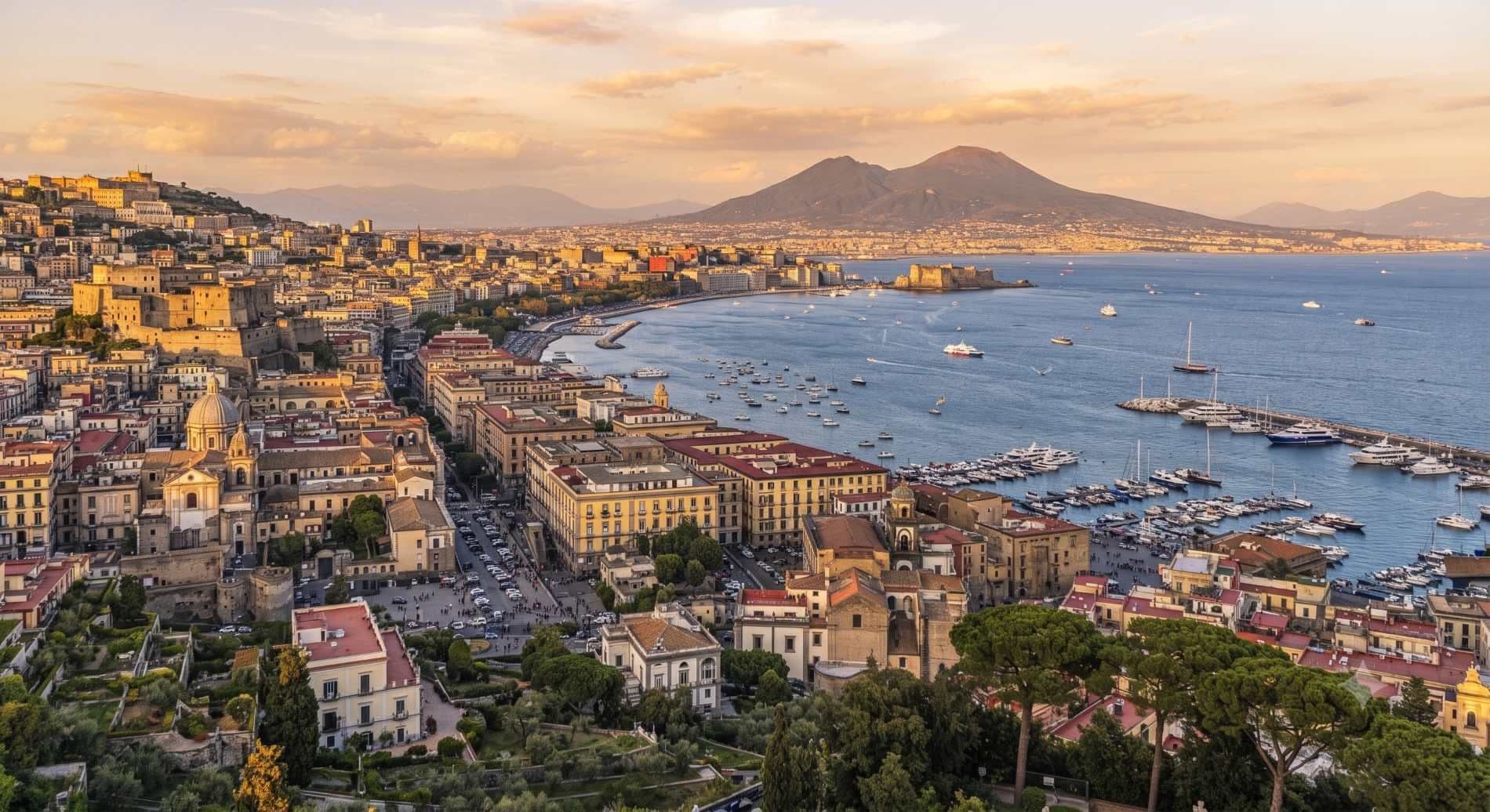
Pompeii: Explore Ancient Roman History
Introduction
Pompeii is an extraordinary ancient city in Campania, Italy, famous for its remarkably preserved Roman ruins and the catastrophic eruption of Mount Vesuvius in AD 79. The eruption buried the city under volcanic material, preserving houses, streets, temples, shops, frescoes and everyday objects for centuries.
It is ideal for history lovers, archaeology enthusiasts, families, photographers, culture travelers and anyone interested in ancient Roman life.
Quick Facts
| Category | Information |
|---|---|
| Country | Italy |
| Region | Campania |
| Famous For | Ancient Roman City |
| Main Attraction | Pompeii Archaeological Park |
| Historic Highlight | Forum |
| Recommended Stay | 1–2 days |
| Best For | History, archaeology & culture |
Why Visit Pompeii?
- Explore an ancient Roman city frozen in time.
- Walk along original Roman streets.
- Visit ancient homes and villas.
- See remarkably preserved frescoes.
- Explore temples and public buildings.
- Visit the ancient amphitheater.
- Learn about the eruption of Mount Vesuvius.
- Discover how ordinary Romans lived.
- Explore archaeological discoveries.
- Combine Pompeii with Mount Vesuvius.
- Visit nearby Herculaneum.
- Experience one of Italy's most important archaeological sites.
Main Attractions
1. Pompeii Archaeological Park
Pompeii Archaeological Park is the main attraction.
The enormous archaeological site contains the remains of the ancient city, including:
- Houses
- Villas
- Temples
- Shops
- Streets
- Public baths
- Theaters
- Gardens
- Government buildings
Best for: History and archaeology.
2. Forum of Pompeii
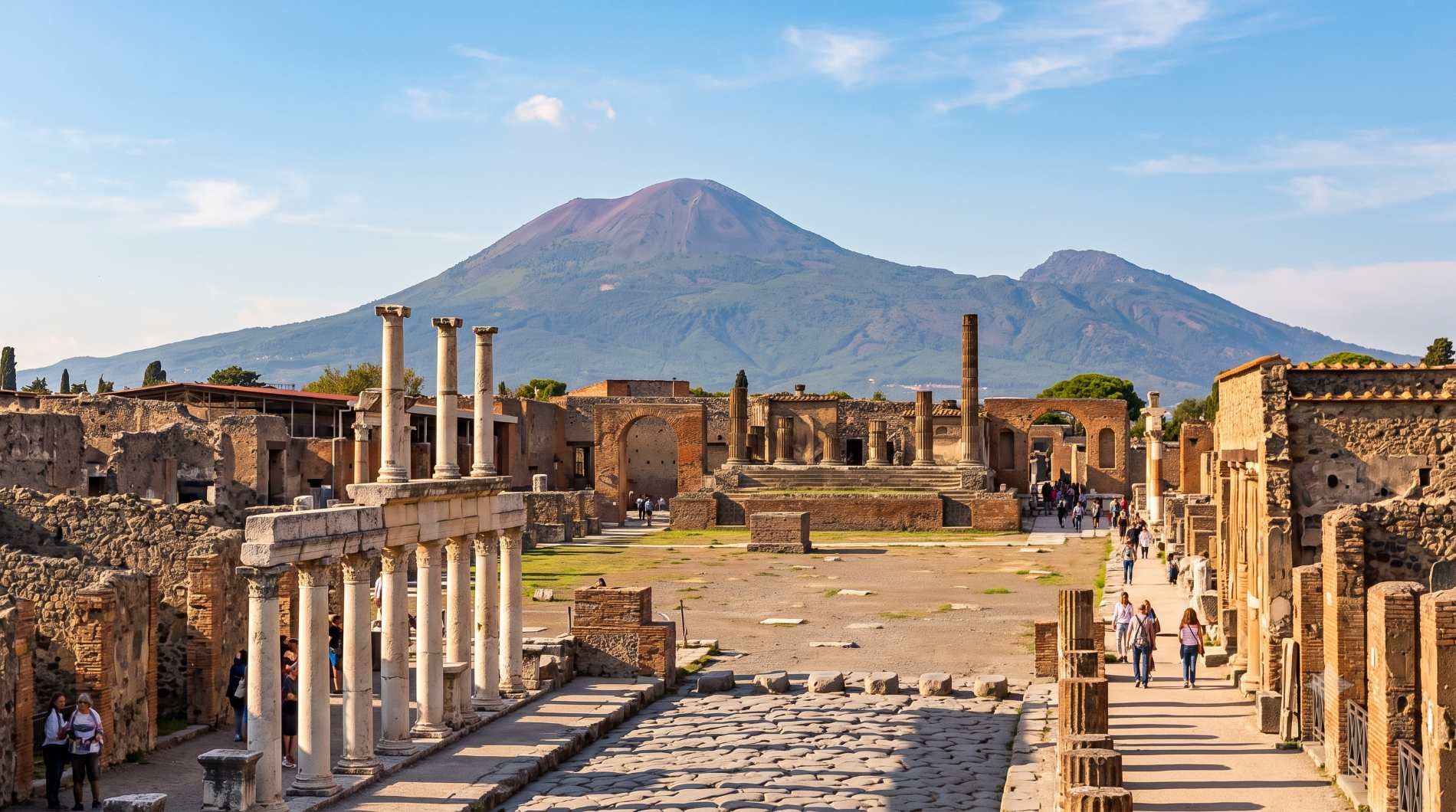
The Forum was the political, religious and commercial center of ancient Pompeii.
Important structures around the area include:
- Temples
- Administrative buildings
- Basilicas
- Public spaces
- Markets
The surrounding Mount Vesuvius provides a dramatic backdrop.
Best for: Ancient history and photography.
3. Amphitheatre of Pompeii
The ancient amphitheater is one of the oldest surviving Roman amphitheaters.
It once hosted public spectacles and gladiatorial events.
The structure provides an excellent example of Roman entertainment architecture.
Best for: Roman history and architecture.
4. House of the Faun
The House of the Faun is one of Pompeii's largest and most impressive residences.
The enormous villa contains:
- Courtyards
- Frescoes
- Decorative mosaics
- Statues
- Elaborate architectural details
It demonstrates the wealth of Pompeii's elite.
Best for: Roman art, architecture and mosaics.
5. Villa of the Mysteries
The Villa of the Mysteries is located outside the main urban center.
It is famous for its remarkable wall paintings depicting a mysterious ritual scene.
The colorful frescoes are among Pompeii's most famous artistic treasures.
Best for: Art, archaeology and photography.
6. Temple of Apollo
The Temple of Apollo is one of Pompeii's important religious structures.
The temple complex reflects the religious traditions of ancient Roman society.
Best for: Ancient religion and architecture.
7. Lupanare
The Lupanare of Pompeii is one of the site's most famous buildings.
It contains small rooms and ancient wall paintings that provide insight into aspects of everyday Roman society.
Best for: Social history and archaeology.
8. Teatro Grande
The Teatro Grande is a large ancient Roman theater.
It was used for theatrical performances and could accommodate a substantial audience.
Nearby is the smaller Teatro Piccolo, associated with musical performances.
Best for: Ancient entertainment and architecture.
Mount Vesuvius
Mount Vesuvius is the volcano responsible for the destruction of Pompeii in AD 79.
Today, visitors can explore the volcano area and enjoy panoramic views across:
- Naples
- Bay of Naples
- Pompeii
- Campania
- Mediterranean coastline
A combined Pompeii + Vesuvius trip is one of the most popular ways to explore the region.
History
Pompeii developed into an important Roman town before its destruction.
On August 24, AD 79—the traditional date given in many accounts—Mount Vesuvius erupted, burying Pompeii under layers of ash and volcanic debris.
The eruption preserved large parts of the city.
Archaeological excavations later revealed:
- Buildings
- Streets
- Paintings
- Mosaics
- Household objects
- Shops
- Public buildings
- Human remains
These discoveries provide an unusually detailed picture of everyday Roman life.
Everyday Roman Life
One of Pompeii's greatest attractions is that it shows ordinary life rather than only monumental architecture.
Visitors can see evidence of:
- Homes
- Bakeries
- Taverns
- Shops
- Workshops
- Public baths
- Water fountains
- Gardens
- Restaurants
- Street life
This makes Pompeii particularly valuable for understanding how people actually lived in the Roman world.
Art & Frescoes
Pompeii is famous for its Roman wall paintings.
Common subjects include:
- Mythology
- Gods and goddesses
- Nature
- Architecture
- Daily life
- Decorative patterns
The surviving frescoes provide important evidence about Roman artistic traditions.
Food Guide
The modern Pompeii area offers traditional Campanian cuisine.
Pizza Napoletana
A classic Neapolitan-style pizza is a must-try in the surrounding region.
Pasta
Try regional pasta dishes using tomatoes, seafood or local cheeses.
Mozzarella di Bufala
Campania is famous for buffalo mozzarella.
Sfogliatella
A traditional Campanian pastry with a crisp layered exterior and sweet filling.
Babà
A famous Neapolitan dessert soaked in syrup.
Shopping
Popular souvenirs include:
- Archaeological replicas
- Roman-inspired souvenirs
- Books about Pompeii
- Art prints
- Postcards
- Local ceramics
- Campanian food products
- Italian leather goods
- Mount Vesuvius souvenirs
Accommodation Areas
| Traveler Type | Recommended Area | Why |
|---|---|---|
| First-time visitor | Pompeii town | Close to ruins |
| History lover | Pompeii town | Easy archaeological access |
| Couple | Pompeii town | Restaurants & atmosphere |
| Family | Pompeii town | Convenient sightseeing |
| Budget traveler | Near railway station | Transport connections |
| Nature lover | Vesuvius area | Volcano & countryside |
| Luxury traveler | Sorrento | Upscale hotels & coastal views |
Transportation
Getting to Pompeii
Pompeii is easily accessible from Naples and other Campania destinations by:
- Train
- Bus
- Car
- Tour services
The archaeological site is particularly convenient to reach by regional rail.
Getting Around
The archaeological site itself is best explored by walking.
You should expect:
- Uneven Roman roads
- Stone surfaces
- Long walking distances
- Limited shade in some areas
Comfortable shoes are essential.
Suggested 1-Day Itinerary
Morning
Enter Pompeii Archaeological Park early.
Visit:
- Forum
- Temple of Apollo
- Basilica
- House of the Faun
Afternoon
Continue to:
- Amphitheatre
- Teatro Grande
- Lupanare
- Villa of the Mysteries
Evening
Return to Pompeii town and enjoy traditional Campanian food.
Suggested 2-Day Itinerary
Day 1 — Ancient Pompeii
Explore:
- Forum
- Temples
- House of the Faun
- Public baths
- Ancient streets
- Shops
- Theaters
Day 2 — Vesuvius & Surrounding Area
Visit:
- Mount Vesuvius
- Vesuvius National Park
- Pompeii town
You can also consider adding Herculaneum if you want to explore another Roman city affected by the eruption.
Best Things to Do in Pompeii
- Explore Pompeii Archaeological Park.
- Walk through the ancient streets.
- Visit the Forum.
- See the Amphitheatre.
- Explore the House of the Faun.
- Visit the Villa of the Mysteries.
- See the Temple of Apollo.
- Explore Teatro Grande.
- Visit the Lupanare.
- See ancient Roman frescoes.
- Discover Roman mosaics.
- Explore ancient homes.
- Visit Roman bakeries.
- See ancient shops.
- Explore public baths.
- Learn about the AD 79 eruption.
- Visit Mount Vesuvius.
- Explore nearby Herculaneum.
- Try traditional Campanian food.
- Photograph the ruins with Vesuvius in the background.
Photography Guide
Pompeii is excellent for archaeological, architectural and historical photography.
Best Subjects
- Pompeii Forum
- Mount Vesuvius
- Ancient streets
- Roman houses
- Frescoes
- Mosaics
- Amphitheatre
- Villa of the Mysteries
- Ancient temples
- Stone fountains
Best Times
Morning: Ancient streets and major monuments.
Afternoon: Houses, frescoes and archaeological details.
Golden hour: Ruins with Mount Vesuvius in the background.
Best Time to Visit
Spring and autumn are excellent for exploring Pompeii because temperatures are generally more comfortable for extensive walking.
Summer can be very hot, and much of the archaeological site is exposed to the sun.
Winter can be quieter and may be suitable for travelers who prefer fewer crowds.
Family Travel
Pompeii can be fascinating for families, especially older children interested in history.
Best Family Activities
- Ancient streets
- Amphitheatre
- Roman houses
- Frescoes
- Mosaics
- Ancient shops
- Mount Vesuvius
For younger children, the large walking distances and uneven surfaces can be tiring.
Couple Travel
Pompeii is a great destination for couples who enjoy history, archaeology and cultural experiences.
Couple Experiences
- Explore ancient streets together.
- Photograph Mount Vesuvius.
- Visit the Roman villas.
- Enjoy Campanian cuisine.
- Combine Pompeii with Sorrento or the Amalfi Coast.
- Watch the sunset around the Bay of Naples.
Travel Tips
- Plan 1–2 days.
- Start your archaeological visit early.
- Wear comfortable walking shoes.
- Carry plenty of water.
- Bring sunscreen and a hat during summer.
- Allow several hours for the archaeological park.
- Download or obtain a site map.
- Consider a guided tour for deeper historical context.
- Check which archaeological buildings are open on your visit.
- Avoid touching ancient walls and frescoes.
- Take breaks because the site is extensive.
- Consider combining Pompeii with Mount Vesuvius.
- Check transportation schedules before leaving.
- Carry a small bag rather than heavy luggage.
- Explore local Campanian cuisine after sightseeing.
Common Mistakes to Avoid
1. Trying to See Everything in a Few Hours
Pompeii is enormous. Prioritize the major areas and allow enough time to explore them properly.
2. Visiting Without Comfortable Shoes
The ancient streets contain uneven stone surfaces, so comfortable footwear is extremely important.
3. Forgetting Sun Protection
Large portions of the archaeological site are exposed to the sun.
4. Ignoring the Frescoes and Mosaics
Pompeii is not just about ruins. Its artwork provides some of the best evidence of Roman culture.
5. Visiting Only the Forum
The houses, shops, theaters and everyday buildings reveal much more about ancient Pompeii.
Pompeii + Nearby Destinations
Pompeii + Mount Vesuvius
Best for: Ancient history combined with volcanic landscapes.
Pompeii + Naples
Best for: Roman archaeology, museums, pizza and urban culture.
Pompeii + Herculaneum
Best for: Comparing two ancient Roman settlements affected by the same eruption.
Pompeii + Sorrento
Best for: Ancient history combined with coastal scenery and Mediterranean atmosphere.
Pompeii + Amalfi Coast
Best for: Archaeology, dramatic coastal landscapes and picturesque towns.
Frequently Asked Questions
What is Pompeii famous for?
Pompeii is famous for its remarkably preserved Roman city buried by the eruption of Mount Vesuvius in AD 79.
Is Pompeii worth visiting?
Yes. It is one of the world's most important archaeological sites and provides an extraordinary look at everyday Roman life.
How many days are enough?
One full day is enough for the major archaeological highlights, while two days allow you to combine Pompeii with Mount Vesuvius or nearby attractions.
What food should I try?
Try Neapolitan pizza, buffalo mozzarella, pasta, sfogliatella and babà.
Is Pompeii good for families?
Yes, particularly for older children interested in ancient history and archaeology.
Is Pompeii good for couples?
Yes. Couples can combine the archaeological site with Mount Vesuvius, Sorrento or the Amalfi Coast.
Key Takeaways
- Pompeii is one of the world's most remarkable ancient archaeological sites.
- The city was buried following the eruption of Mount Vesuvius in AD 79, preserving extraordinary evidence of Roman life.
- Pompeii Archaeological Park, Forum, House of the Faun, Villa of the Mysteries, Amphitheatre and ancient theaters are major highlights.
- A 1–2 day trip is ideal.
- Pompeii is especially suitable for history lovers, archaeology enthusiasts, families, photographers and culture travelers.
- Its combination of Roman architecture, ancient artwork, everyday-life discoveries and the dramatic presence of Mount Vesuvius makes Pompeii one of Italy's most unforgettable historical destinations.
Loading activities…