
Peru: 20 Places Travelers Keep Returning To
Peru: Why Travelers Keep Coming Back to These 20 Places
The light hits differently in Peru. There's a particular quality to it—something between gold and amber—that seems to soften the edges of mountains and make ancient stones glow as if they've absorbed centuries of sunlight and are slowly releasing it back. You notice this light first, before you notice anything else. Then comes the sound: wind through stone passageways, the calls of vendors in markets, the echo of your own footsteps in places where footsteps have mattered for a thousand years.
Peru doesn't work like other destinations. It doesn't offer itself up in neat, consumable packages. Instead, it demands presence. It asks you to sit with discomfort, to climb when your lungs protest, to accept that the world operates according to different rhythms here. And somehow, travelers keep returning because they understand, eventually, that this resistance is precisely the point. Peru teaches you something about yourself in the process of teaching you about Peru.
This is why certain places in this country become pilgrimage sites for the repeated traveler—not because they appear on bucket lists, but because they contain something true.
The Places Worth the Return Journey
Machu Picchu (Beyond the Crowds)
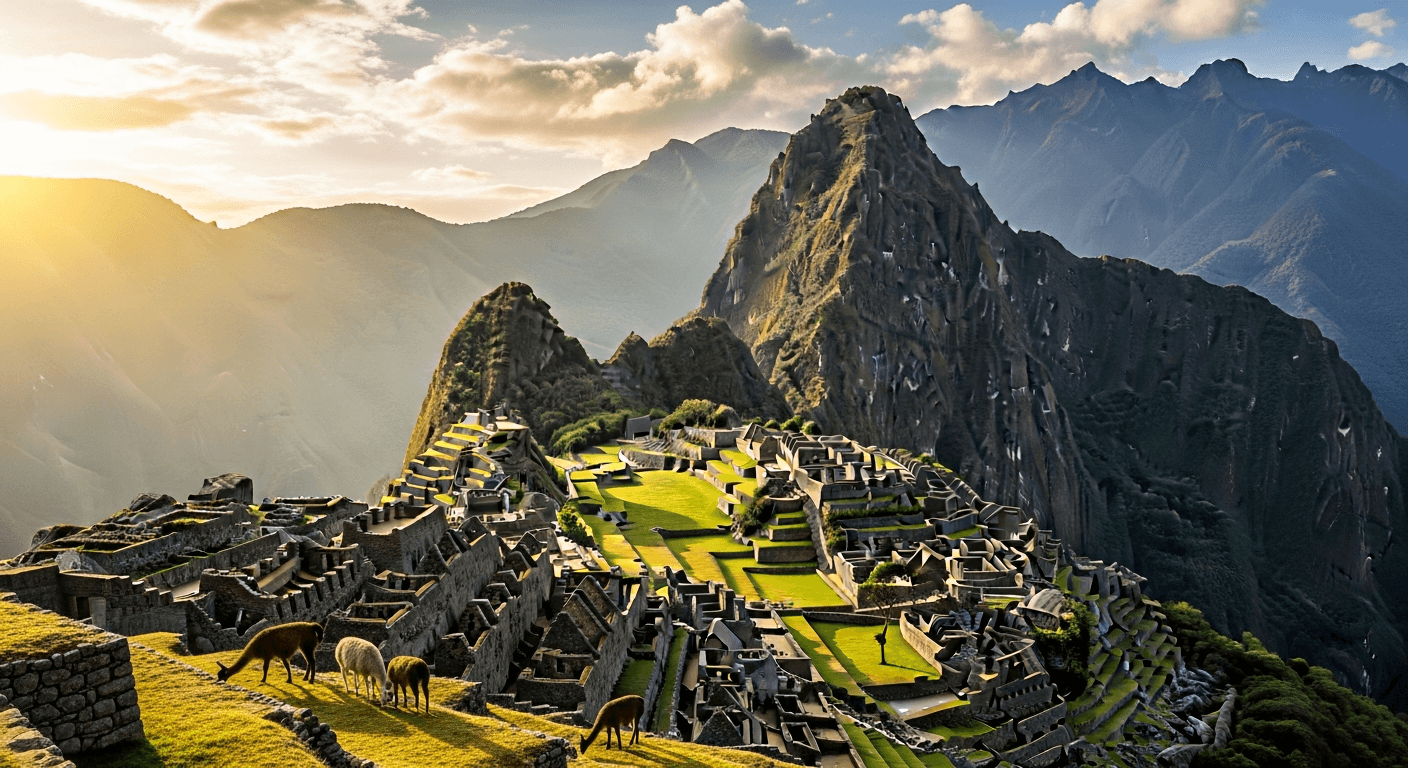
Yes, everyone goes to Machu Picchu. But most people go wrong. The revelation isn't in arriving at sunrise with three thousand others; it's in understanding that the Inca built this not for spectacle but for purpose. Climb to Wayna Picchu at dawn, when the site is still thinking itself awake. The stone steps are worn smooth by hands that walked here five centuries ago. Your hand fits into the same grooves.
The experience transforms when you treat it as archaeology rather than tourism. Read about the site before you go. Understand that you're walking through an astronomical observatory, an agricultural laboratory, a place of profound engineering. The views matter less than the revelation.
Best time: May to September, but visit in June or July when the dry season is established but the crowds thin slightly after the initial winter rush.
Photography moment: The Temple of the Sun, just after sunrise, when light streams through the stone windows designed to align with solstices—there's your moment, without the filters.
Insider truth: Most visitors stay only two hours. Stay for five. Watch how the light changes. Sit in silence in the Temple of the Condor. This is when Machu Picchu actually speaks.
Sacred Valley's Weaving Communities
The textiles made in Ollantaytambo and Chinchero aren't souvenirs—they're records of stories told in thread. When a weaver shows you the colors they've made from plants in their yard, when they explain that the pattern your hand is touching represents their village's water source, you're not shopping. You're reading.
Visit artisans directly. Walk to the communities above the tourist zones. Sit with a weaver while she works. The patterns emerge slowly, methodically, the way understanding emerges when you stop rushing.
Best time: Year-round, but March through May offers the clearest light without the rain season's unpredictability.
Photography moment: Hands working the loom—the texture, the concentration, the story being made tangible.
Insider truth: Pay what's asked. These aren't negotiable crafts; they're sustenance. Fair exchange matters here in ways it might not elsewhere.
Cusco's Stone Architecture
Walk the streets of Cusco and you're walking across civilizations stacked like geological layers. Inca stones form the foundations of Spanish colonial buildings, which sit beneath modern storefronts. It's a city that refuses to pretend history is past tense.
The cathedral holds Inca treasures beneath Christian ones. The Plaza de Armas pulses with different energies depending on when you arrive—tourist-dense at midday, genuinely alive in early morning and evening. Wander the narrower streets where locals move between neighborhoods. That's where the city actually exists.
Best time: Avoid the July-August peak. April and May offer clear skies without the crush.
Photography moment: The fitted Inca stonework at night, when architectural light highlights the precision—blocks fitted so tightly you cannot slide paper between them.
Insider truth: Acclimate properly. Cusco sits at 3,400 meters. Spend your first two days slowly. Coca tea isn't just a tradition; it helps with altitude adjustment.
Lake Titicaca and Taquile Island
At 3,812 meters above sea level, Lake Titicaca feels like it exists between the earth and sky. The light here is otherworldly—crystalline, almost translucent. On Taquile Island, the Quechua community maintains traditions that predate the modern world. Men still weave; women still dye fabrics in the same way their ancestors did.
Stay overnight on the island. The silence after tourists depart is profound. Wake before dawn and walk to the viewpoint. Watch the lake transform from shadow to color. This is where solitude still means something.
Best time: June through August for stable weather, though the wet season (December-February) carries a different beauty—fewer tourists, dramatic cloud formations.
Photography moment: Woven textiles laid across the stone—the patterns against ancient rock, the marriage of craft and landscape.
Insider truth: Don't photograph the islanders without permission. This isn't a backdrop for your vacation. It's someone's home, someone's life.
The Cloud Forest Beyond Aguas Calientes
Most travelers treat Aguas Calientes as an inconvenient waystation to Machu Picchu. Stay longer. Hike into the cloud forest. The biodiversity here rivals the Amazon—orchids, hummingbirds, the sound of water everywhere and nowhere simultaneously.
The Mandor Waterfall hike climbs through mist and emerald vegetation. Your clothes will be damp. Your lungs will work. This is exactly the point.
Best time: May to September for drier conditions, though the rain is part of the experience.
Photography moment: Mist moving through orchid plants—the ephemeral made visible.
Insider truth: Bring good footwear with traction. The terrain becomes treacherous in dampness. This isn't a casual walk.
Pisac's Archaeological Terraces
The agricultural terraces at Pisac represent engineering that still confounds modern agronomists. They were built not just for farming but to test soil conditions and develop altitude-adapted crops. Walk these terraces slowly—they climb steeply, and the engineering becomes obvious only when you understand you're walking on precision made stone.
The town of Pisac below functions as a genuine marketplace on Sundays and Thursdays, not a tourist performance. Come for the market, not the photos.
Best time: Year-round, but visit Tuesday, Thursday, or Sunday for the traditional market.
Photography moment: The geometric precision of the terraces at late afternoon light, when shadows emphasize the engineering.
Insider truth: Bring cash for the market. It's where locals trade, and cards mean nothing here.
Nazca Lines: Context Over Mystery
The Nazca Lines are difficult to understand from the air—the scale confuses rather than clarifies. Instead, visit the Museo Antonini first. Study the ceramics, understand the Nazca civilization's sophistication, their mathematical knowledge, their astronomical literacy. Then, drive through the pampa itself. See the lines at ground level. The mystery transforms into engineering when you understand their context.
Best time: June through August for clear skies.
Photography moment: The geometric designs from the museum windows overlooking the actual lines—the marriage of artifact and landscape.
Insider truth: Avoid the small aircraft tours. They're unnecessary and create environmental impact. Ground-level understanding is sufficient and more respectful.
Colca Canyon at Sunrise
Deeper than the Grand Canyon and twice as dramatic, the Colca Canyon is where the Andes valley their full complexity. Wake at 4 AM. Drive to the viewpoint. Stand at the edge as condors rise on thermal currents—their wingspan reaches three meters. Watch them hunt the light.
This isn't a tourist moment; it's a privilege earned by inconvenience.
Best time: May through October for stable weather and reliable condor sightings.
Photography moment: A condor in profile against dawn light—the prehistoric made present.
Insider truth: The drive is long and uncomfortable. That discomfort is part of the value. Easy access would cheapen what you're witnessing.
Arequipa's White City
Built from volcanic sillar stone that glows white in the sun, Arequipa exists in its own aesthetic. The architecture is Spanish colonial, but somehow different from other Spanish colonial cities—more refined, more conscious of light and proportion.
The Santa Catalina Monastery is a city within a city. Wander its corridors, its cloisters, its small chapels. It's one of the few places in Peru where you can understand how the Spanish imagined their permanence here.
Best time: Year-round, though April-May offers perfect weather without crowds.
Photography moment: The white facades at late afternoon, when the light becomes almost pink against the volcanic stone.
Insider truth: Skip the tourist restaurants. Eat where the local market workers eat. The food will be better and cheaper, and you'll understand the city's actual rhythms.
Iquitos and the Amazon Edge
Most Amazonian tourism happens from lodge resorts. Instead, base yourself in Iquitos and take day trips. The city itself tells the story of the rubber boom—Belle Époque architecture in the jungle, slowly reclaiming itself to vegetation.
The Madre de Dios River is where the real forest begins. A motorized canoe and a knowledgeable guide matter infinitely more than a luxury lodge.
Best time: June through September for drier conditions.
Photography moment: The metallic blue of morpho butterflies against green—the shock of color in abundance.
Insider truth: Avoid jaguar and pink river dolphin tours marketed as guarantees. These are wild animals. Their unpredictability is the honest part of the experience.
Cusco's Markets at Dawn
The San Pedro Market opens early, before tourists arrive. Watch vendors arrange produce—potatoes in colors that don't exist elsewhere, tubers with names you can't pronounce, herbs for purposes you won't understand. The organization of abundance.
Come with empty hands and curiosity. Buy something small. Sit with it. Observe. This is how a city feeds itself.
Best time: Every day, but arrive by 7 AM before the rhythm changes.
Photography moment: Hands arranging products—the ritual of provisioning made visible.
Insider truth: Don't photograph without asking. This is working space, not backdrop.
Moving Through Peru With Intention
Transport in Peru rewards patience over convenience. The overnight buses and long drives aren't obstacles—they're opportunities to see landscape change gradually rather than through an airport window. The train from Cusco to Aguas Calientes travels through the Andes at a pace that lets you actually comprehend the geography. Book seats on the left side for the better views.
Stay in neighborhoods where locals actually live rather than tourist zones. In Cusco, stay near San Blas. In Arequipa, explore beyond the plaza. In Iquitos, the Belén neighborhood shows the city as it functions, not as it performs.
Timing matters differently here. Markets have rhythms. Weather has moods. Archaeological sites have hours when they're less crowded, and those hours are when they're most honest. Ask locals about these rhythms. They're usually generous with information about when places actually live.
Respect operates on multiple levels. Photography should never be assumed. Money should flow fairly to the people creating value—weavers, guides, market vendors. Altitude requires humility. This country operates on its own schedule; your timeline is secondary.
Seeing Itself in Touratu's Routes
Curious how these twenty places connect through actual traveler routes? Explore Touratu's interactive map to discover how other travelers have threaded these destinations together—which journeys feel natural, where people linger longest, how routes reveal patterns you might not see planning alone. The map shows not just where people go, but how they move through Peru with intention.
Why Travelers Return
Peru doesn't exhaust itself on a single visit. Each return reveals different layers—what you missed from elevation, what you misunderstood from haste, what you simply weren't ready to see the first time. The mountains look different when you understand their history. The markets sound different when you can recognize voices. The light tastes different on your skin when you've slowed down enough to actually feel it.
This is why Peru keeps appearing on return itineraries. It's not that there's more to see—it's that there's more to understand, and understanding requires presence. The country asks something of you, and that asking is the gift. You don't come back to Peru; Peru calls you back to yourself, using its landscapes and people and stones as mirrors.
Loading activities…
