
Netherlands: 20 Places Travelers Return To
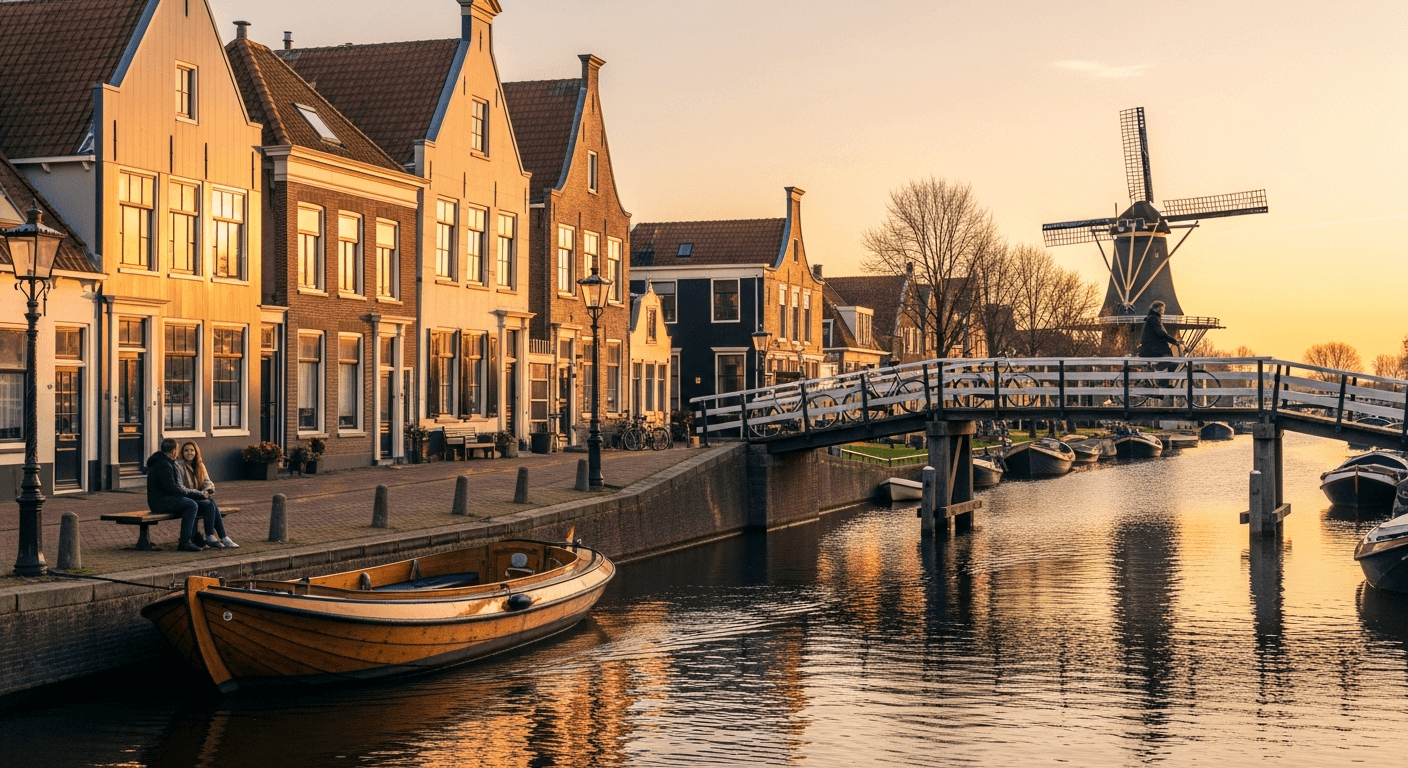
Netherlands: Why Travelers Keep Coming Back to These 20 Places
There's a peculiar magic to the Netherlands that doesn't announce itself loudly. It doesn't tower or overwhelm. Instead, it arrives quietly—in the tilt of afternoon light across a canal, in the unhurried rhythm of a cyclist carrying tulips and bread in one basket, in the way a coffee tastes different when drunk from a tiny cup at a corner café while strangers bicycle past without glancing. The Dutch have engineered a landscape of such intimate human scale that you feel less like a visitor and more like someone who's been invited into a long-standing conversation about how to live well.
This is why people return. Not because of a single vista or monument, but because the Netherlands has mastered something few places have: the art of being genuinely livable and beautiful simultaneously. There's no artifice here, no performed tourism. Just water, bicycles, light, and the unmistakable sense that ordinary life, properly observed, is never ordinary at all.
The Twenty Places That Keep Drawing People Back
1. Giethoorn: The Venice That Never Tried to Be
The canals here feel accidental, like the village grew into the water rather than being built around it. Farmhouses reflect themselves perfectly, and in winter, locals strap on skates and glide between neighbors' doors. What distinguishes Giethoorn from its romanticized peers is the absence of romance in the marketing sense—it simply exists, photogenic because it's functional. The experience: take a silent electric boat at sunrise, when mist clings to the water and you'll pass perhaps one other traveler. Best visited October through March, when crowds thin and the light becomes painterly. Photography moment: the wooden bridge at Beulakervaart, where silhouettes of cyclists cut across the reflection.
2. Amsterdam's Canal Ring: Layers of Living History
The canals aren't a museum display—they're where people actually live, work, and age. You'll see the same elderly woman watering window boxes from her seventeenth-century townhouse every morning. The experience isn't a canal boat tour (though those have their moments); it's wandering the streets between the rings at pedestrian pace, reading plaques, noticing the subtle variations in façade styles that mark different centuries. Early morning walks along Prinsengracht before 8 AM reveal Amsterdam as a place of quiet residential beauty rather than nighttime spectacle. Insider truth: the real discovery happens on the smaller side canals—Blaarmeersen, Palmstraat—where tourists never venture.
3. Kinderdijk's Windmills: Industrial Romance
Nineteen windmills standing in perfect formation feels like stepping into a painting that decided to become real. Built in the 1600s for water management, they've aged into something almost mythological. The experience: arrive by bicycle (as locals do) rather than tour bus, and take the footpath that winds between them instead of the main viewing platform. Golden hour, naturally, is non-negotiable. Best in spring and early autumn. The photograph everyone misses: the mill interiors, where you can see the mechanical genius of water engineering, light pouring through wooden slats.
4. Delft: Where Porcelain Whispers Are Still Heard
The town square itself is a masterpiece of Dutch Renaissance proportion, but what matters is the deeper rhythm—the way light changes on the church spire throughout the day, how the market adjusts itself according to season. Delftware has made the town famous, but the real draw is walking unpurposefully, stopping at small museums that open irregularly, having a beer with locals in cafés that serve the same patrons decades running. Visit in May, during flower season, when the entire region is abloom.
5. The Zaanse Schans: Windmills as Honest Vernacular
Unlike Kinderdijk's formal arrangement, this cluster feels more lived-in, more everyday. These aren't monuments; they're buildings that once processed paint, mustard, oil. The experience: spend three hours rather than ninety minutes. Visit the actual workshops. Talk to the craftspeople. Skip the package-tour energy entirely. Photograph the green wooden buildings against grey Dutch sky—the color contrast is almost aggressive.
6. Volendam & Marken: Fishing Villages With Character
The fishing community of Volendam has leaned slightly into tourism, but Marken—separated by water, connected by causeway—has maintained an almost stubborn authenticity. The homes are traditionally built on small mounds to survive flooding, painted in yellows and greens that shouldn't work but do. The experience: take the ferry between them; don't drive. Eat herring from a street vendor while standing where the fish are actually landed. Summer brings tourists, but early June or late August offers the sweet spot.
7. Utrecht: The Medieval City That Breathes
Amsterdam's younger sibling, Utrecht refuses to be overshadowed. It has the canals, yes, but also a muscular medieval town center where students outnumber tourists, where street art competes with baroque façades, where independent galleries occupy every basement. The experience: get slightly lost in the Janskerkhof neighborhood. Find the small museums dedicated to niche obsessions. Sit in Café Olivier and watch real life unfold. The university presence keeps it young; the old money keeps it elegant.
8. Enkhuizen: Harbor Town Frozen in Amber
Once a significant trading port, Enkhuizen now moves at the pace of sailboats and afternoon tides. The harbor is lined with decommissioned ships that serve as museums, restaurants, homes. The wooden drawbridge still functions, creaking up when sailboats pass underneath. The experience: stay overnight (impossible to truly know a place in daylight hours alone). Rent a small sailing boat if you have certification. Photograph the harbor at that precise moment when light turns from white to gold—around 6 PM in summer.
9. Gouda: Cheese Market That's Also a Town
Yes, the Thursday cheese market is the draw, but arrive by 8 AM and you'll witness something unmessed with—farmers still selling, locals shopping, the actual economic activity that spawned the tourism. Beyond market day, Gouda is a graceful medieval town with genuine character, churches filled with historically significant stained glass, and cafés where cheese-makers drink coffee before work. Best visited April through September.
10. Texel: The Island Where Life Slows Deliberately
Reached by ferry, this North Sea island feels properly removed. Sheep outnumber people. The coastline is dramatic without performing—just dunes, wide beaches, wind. The experience: rent a bicycle and become part of the island's transport culture. Visit the seal sanctuary at Ecomare. Eat fish that was caught that morning. The photography: storm-gray skies over silver water, the absolute absence of human structures in certain directions.
How to Actually Experience These Places Like Someone Who Stays
Transport between these destinations requires learning the Netherlands' transportation culture, which is its own kind of travel education. The train system moves with Swiss precision but costs less than you'd expect. Buying a day ticket unlocks access to explore; the journey itself becomes part of the experience, not an obstacle. Rent a bicycle only if you're confident—Dutch cyclists move with purposeful speed—or use it to access smaller villages and rural paths that cars never reach.
The best neighborhoods to base yourself aren't Amsterdam's city center but places like the Amsterdam Noord (across the IJ river), or the quieter streets of Delft if you prefer smallness. These put you among people living actual lives, not performing tourism.
Timing matters. May and September are the consensus peaks—spring flowers still visible, summer heat not yet suffocating, autumn light emerging. Winter brings different reward: empty canals, the possibility of skating, a particular Dutch coziness (gezelligheid) that feels earned rather than staged. Avoid July and August unless you enjoy crowds.
On etiquette: direct Dutch communication can feel blunt to those unused to it, but it's efficiency rather than rudeness. Use bicycles only if competent (seriously). Most importantly, don't photograph people without asking—locals aren't props.
Exploring the Routes That Matter
The true value in these places reveals itself through their interconnections—how a traveler might move between them, which ones pair naturally together, where the light works best in different seasons. On Touratu's interactive map, you can trace the actual routes experienced travelers take, see the photographs that reveal timing and mood, and discover the smaller villages that sit between these twenty anchors. The map shows you not just destinations but the rhythm of travel itself.
The Return Visitor's Truth
The Netherlands rewards patience and repetition. People return because each season remakes these places into something slightly different. A canal seen in October's slanted light bears no resemblance to the same canal in May's horizontal brightness. A cafe you visited in summer becomes entirely new when entered in winter's fading afternoon. The architecture doesn't change, but the experience of moving through it does—endlessly.
Loading activities…
