
Mexico: 20 Places Travelers Return To
Mexico: Why Travelers Keep Coming Back to These 20 Places
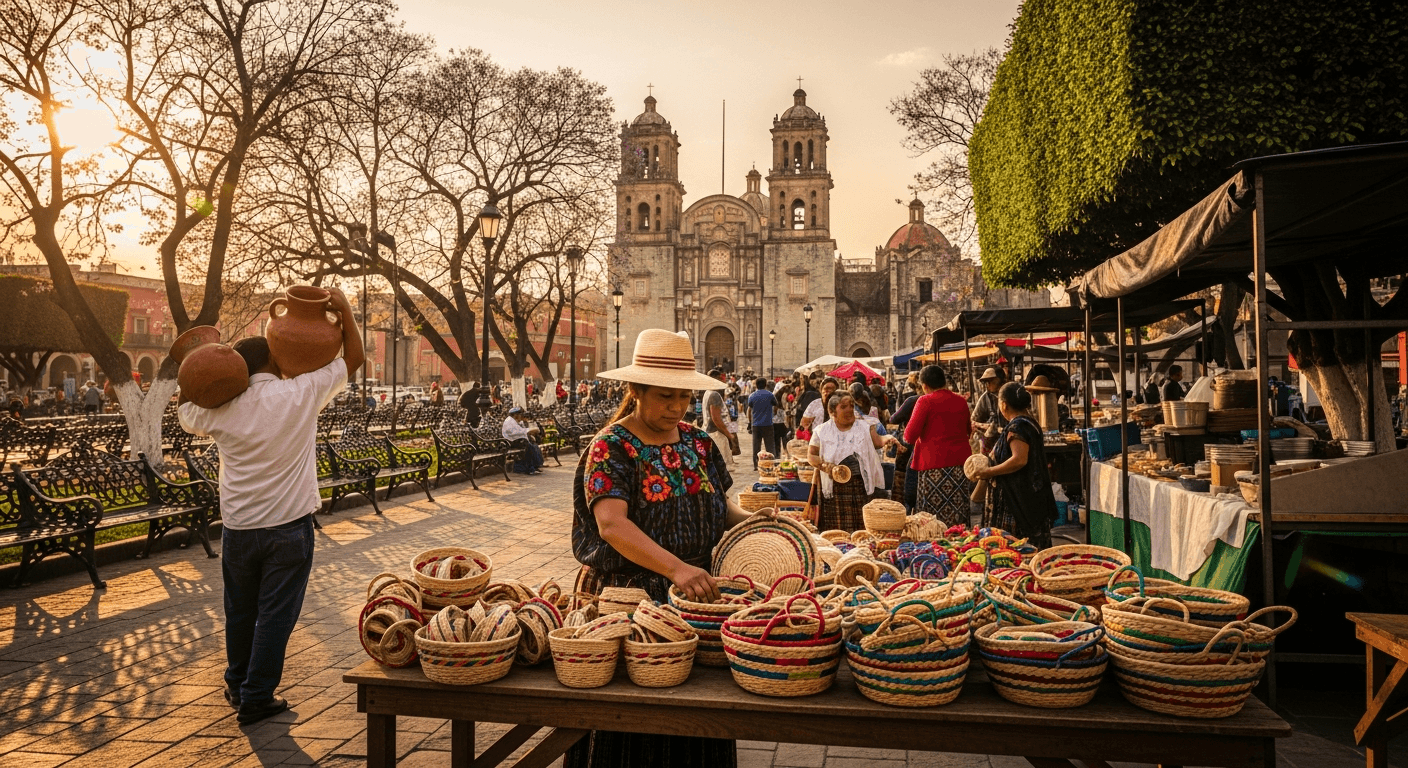
There's a particular quality to light in Mexico that makes returning feel inevitable. It's not just the warmth—it's how it catches adobe walls at dusk, how it transforms ordinary streets into stages where life performs itself without pretense. You arrive once for the obvious reasons: the food, the beaches, the archaeological weight of it all. You return because something has shifted. The country has already begun living inside you.
Mexico doesn't announce itself through superlatives. It reveals itself through repetition, through the ritual of sitting in the same plaza three years running, through recognizing the same vendor's son, now taller, taking over the stall. Travelers come back not because Mexico is perfect—it isn't—but because it's profoundly alive. Every region holds its own gravity, its own reason for the return journey.
This is why the same faces appear in different Mexican towns across decades. They've discovered what guidebooks can only hint at: that Mexico rewards the repeat visitor with texture, nuance, and a deepening familiarity that transforms tourism into something closer to belonging.
The Twenty Places That Keep Calling
1. Oaxaca City's Historic Center
There's a reason the colonial streets of Oaxaca feel less like a museum piece and more like a living, breathing argument for beauty over convenience. The city moves at a pace that seems deliberately resistant to urgency. Walk the cobblestones of the historic center at 7 a.m., before the crowds settle in, and you'll understand what draws people back: the baroque facades, yes, but also the smell of tlayudas from corner vendors, the sound of a guitar coming from an open window three stories up, the casual way locals navigate between tourism and their own quotidian lives.
The real magic isn't Santo Domingo or the zócalo—it's in the side streets where galleries operate from converted homes, where mezcal bars have no signs, where conversations between strangers happen naturally over shared meals.
Best time: November to April, when the climate is crisp and the Guelaguetza festival draws artists from across the state.
Insider observation: Oaxaca's restaurant scene has transformed, but the best meals still happen in markets and family comedores where tourists rarely venture.
Photography moment: Early morning light on the cathedral's stone work, or the textured facades of artisan shops on Calle Murguía.
Practical tip: Stay within walking distance of the zócalo, but explore the neighborhoods of Jalatlaco and Crespo where the city feels more genuine.
2. Mexico City's Frida Kahlo Museum (Casa Azul)
The house itself is the real art. Standing in the rooms where Kahlo lived and worked—the kitchen with its narrow stove, the studio where canvases were created lying down due to her injuries—feels like accessing someone's internal landscape made external. The cobalt blue isn't just color; it's a declaration.
Returning visitors often skip the crowds and arrive at opening time or linger until late afternoon when the space empties. This is when the house reveals its particular melancholy and intimacy.
Best time: Weekday mornings, any season except rainy season.
Insider observation: The garden's native plants and Diego Rivera's collection feel more significant on second visits, when you're not overwhelmed by Kahlo's iconicity.
Photography moment: The reflection of blue walls in the garden's central pool, the intimate scale of her bedroom.
Practical tip: Visit the Anahuacalli museum (Diego's pyramid) on the same day—it's often overlooked and equally moving.
3. Puerto Vallarta's Romantic Waterfront
Unlike Mexico's Caribbean coasts, Vallarta feels like a small city that happens to have a beach. The malecón—that waterfront promenade—functions as stage, marketplace, and social theater simultaneously. There's a particular joy in watching fishermen set out at dawn while tourists sip coffee, in the way the town doesn't pretend to be more than what it is.
What brings travelers back isn't luxury; it's the integration of living and visiting, the sense that locals and travelers are sharing the same space rather than performing for each other.
Best time: December to March for perfect weather and the migratory whale season visible from shore.
Insider observation: The northern neighborhoods (beyond the old town) have excellent restaurants and beaches that feel less choreographed.
Photography moment: Golden hour on the malecón with the Sierra Madre backdrop, or the colorful colonial buildings in the old town.
Practical tip: Rent a car and explore the smaller beaches north and south of the city—Yelapa, Sayulita—for variety.
4. Guanajuato's Labyrinthine Streets
This is a city that must be walked to be understood. The underground streets (built over a diverted river), the colored facades stacked at impossible angles, the way staircases appear between buildings and lead to plazas you didn't know existed—Guanajuato rewards getting deliberately lost.
Every corner holds a mural, a mining history marker, a small chapel tucked into a hillside. The city refuses to be pinned down into a single coherent map, which is exactly why people return: each visit generates new discoveries.
Best time: September and October, just after the rainy season when the landscape is green.
Insider observation: The cultural scene (theater, art) is year-round, but rarely crowded before November.
Photography moment: Twilight from the Pípila monument looking over the city's spread, or close-ups of the hand-painted architectural details.
Practical tip: Stay in the neighborhoods above the main tourist zone (Marfil, Pastita) for a quieter experience.
5. Merida's Yucatecan Authenticity
Merida never quite feels like it's catering to outsiders. The Plaza Grande remains the social center for locals, not a stage. The food—cochinita pibil, panuchos, fresh salbutes—tastes the way Yucatecan cuisine should, because it's being cooked for people who know what it should taste like.
This is colonial Mexico without the self-consciousness, Caribbean influence without the resort mentality. The city moves at its own pace, and visitors either adapt or don't.
Best time: November to February, when the heat is bearable.
Insider observation: The genuine Yucatecan experience happens in the working neighborhoods around Paseo de Montejo, not the tourist-facing plazas.
Photography moment: Paseo de Montejo at dawn, the henequen plantation architecture, or street scenes at the farmers' market.
Practical tip: Hire a local guide for surrounding cenote and hacienda trips—the history is complex and worth understanding properly.
6. San Cristóbal de las Casas' Highland Mystique
The city sits in mountain mist, surrounded by indigenous communities with their own languages, textiles, and cosmologies. There's a spiritual gravity here that feels less marketed and more genuinely present. The cobblestone streets, the atmosphere of intellectual and artistic culture, the museums documenting Zapatista resistance—San Cristóbal appeals to travelers seeking something beyond aesthetics.
Repeat visitors often come specifically for the nearby indigenous villages, the highland ecology, and the sense of stepping into Mexico's more complex interior.
Best time: May to October, outside the tourist season, when the atmosphere feels less curated.
Insider observation: The conversation and music scene (Casa del Café, cultural centers) draws a thoughtful crowd year-round.
Photography moment: Street scenes with mountains as backdrop, the interior of textile cooperatives, light through colonial doorways.
Practical tip: Approach indigenous villages with genuine curiosity rather than camera-first mentality—hire a local guide and visit with intention.
7. Tulum's Caribbean Archaeology
The ruins themselves—cliffside temples overlooking turquoise water—are stunning enough that tourists come once for the postcard moment. They return to understand the site's actual significance: this was a thriving trade city, occupied during the Spanish conquest, a place with its own complex history rather than a backdrop.
Exploring the archaeological zone at opening time, before the crowds, or staying in the town itself (not the resort beach) gives Tulum a different character: less Instagram, more understanding.
Best time: May to June or September to October for smaller crowds and hurricane season's tail end approaching.
Insider observation: The town center has evolved with better restaurants and shops that reflect local interests, not just tourism.
Photography moment: Early morning light on the cliffside temple El Castillo, the subtle color variations in the water at different tides.
Practical tip: Stay in the pueblo rather than the beachfront—it's cheaper, more authentic, and the beach is still accessible.
8. Querétaro's Underrated Colonial Elegance
While Guanajuato and San Miguel de Allende draw the crowds, Querétaro operates with less fanfare and equal beauty. The restored colonial center, the baroque church, the aqueduct, the excellent museums—all exist without the overwhelming tourism infrastructure.
This is Mexico's colonial period rendered by artists and architects who didn't have to perform for audiences. It feels like discovery even on the second visit.
Best time: March to May, when temperatures are moderate and the landscape green.
Insider observation: The restaurant scene caters to locals first, making the food genuinely good rather than adjusted for tourists.
Photography moment: The aqueduct at sunset, the baroque facade of Santa Rosa, the intimate scale of the historic center's plazas.
Practical tip: Walk the entire historic center systematically; there are excellent museums most visitors miss.
9. Cancún's Caribbean Waters (Beyond the Strip)
Cancún gets mocked, but the Caribbean water surrounding it is objectively extraordinary. Visiting the beaches north of the main zone, snorkeling the cenotes, diving the reefs—these experiences belong to Cancún as much as to the resort corridor.
Repeat visitors come not for the resort hotels but for the water activities, the access to ecological diversity that's unmatched anywhere else in Mexico.
Best time: May to September, when prices drop and snorkeling conditions are excellent.
Insider observation: The cenote diving around Cancún is world-class and far less crowded than Caribbean coasts elsewhere.
Photography moment: The luminescence of cenote water, the texture of the barrier reef, sunrise over the Caribbean.
Practical tip: Base yourself in El Centro (downtown Cancún) and take day trips to reefs, cenotes, and islands—far cheaper and more authentic.
10. Mazatlán's Pacific Nostalgia
This is Mexico's Pacific coast at a slower tempo. The malecón feels like an older version of Vallarta—longer, less manicured, with local fishing boats still operating alongside tourism infrastructure. There's a particular melancholy beauty to Mazatlán, a sense of watching history move through a place without erasing it.
The food is excellent (shrimp-centric), the colonial old town charming without being preserved in amber, and the beaches are genuinely nice without the crowds of more famous coasts.
Best time: November to March for perfect weather and whale watching possibilities.
Insider observation: The Cerritos neighborhood has excellent seafood restaurants serving working-class portions at restaurant prices.
Photography moment: The lighthouse at dawn, colonial architecture details in Centro Histórico, fishermen's boats at sunset.
Practical tip: Rent a car and explore the small beach towns (Playa Cerritos, Playa Bruja) just outside the main city limits.
11. Chiapas's Cloud Forest and Indigenous Culture
Beyond San Cristóbal, Chiapas offers rainforest, waterfalls, and indigenous communities whose cultural practices have remained less commercialized than elsewhere in Mexico. Places like Palenque—the archaeological site—reveal how sophisticated pre-Hispanic city planning truly was.
Travelers return to Chiapas to understand Mexico's ecological and cultural complexity, to spend time in landscapes that feel genuinely wild.
Best time: November to February, outside the rainy season.
Insider observation: Palenque's surrounding jungle is as important as the ruins themselves; budget time to explore trails and cenotes.
Photography moment: Misty jungle canopy at dawn, the stone carvings at Palenque with moss and vines, the movement of water at Agua Azul cascades.
Practical tip: Hire local guides through your accommodation—they understand the landscape and can access areas tourists on standard tours miss.
12. Cuernavaca's Eternal Spring
The city's Spanish name translates roughly to "horn of the cow," but locals call it the City of Eternal Spring for its perfect climate year-round. It sits high enough to avoid coastal heat, with gardens and colonial architecture that thrive in the perpetual mildness.
What brings travelers back isn't major tourism infrastructure but the opposite: the sense of being in a small city with excellent food, art galleries, and the capacity to live quietly. Many return visitors spend weeks here on extended stays.
Best time: October to May, when the climate is most pleasant.
Insider observation: The restaurant and cultural scene is sophisticated; this is where Mexico City creatives come to escape the capital.
Photography moment: Afternoon light in the Palace of Cortés, the bougainvillea-draped colonial streets, the town's hillside setting at dusk.
Practical tip: Stay in the Centro Histórico and avoid the suburban sprawl; walkability is essential to enjoying Cuernavaca.
Local Insights: The Practical Poetry of Moving Through Mexico
Mexico rewards slow travel and intentional navigation. Transportation between regions is well-developed—first-class bus services are efficient and often quite comfortable—but the real revelation comes from moving at a pace where you notice the landscape's gradations. The central highlands give way to tropical lowlands; the Spanish colonial architecture shifts subtly from region to region.
Neighborhoods matter more than you might expect. Every town has a centro histórico (historic center) where tourism concentrates, but the city's actual life happens in the surrounding residential and commercial areas. This is where you'll find the best markets, the restaurants frequented by locals, the cultural centers that host concerts or lectures. Make a point of walking through these neighborhoods without an agenda. You'll stumble upon small galleries, mezcal bars without signs, bakeries that only locals know about.
Timing shapes experience dramatically. Early mornings (6 to 8 a.m.) offer you archaeological sites and city streets before crowds arrive. The light is also superior—a golden quality that photographers dream about. Late afternoons (4 to 6 p.m.) give you plazas and beaches emptying out, a return to locals' rhythms. Avoid noon to 3 p.m. when heat discourages exploration and sites feel most touristy.
Etiquette centers on genuine respect for local culture rather than performative politeness. Learn basic Spanish pleasantries—not just "hola" but asking how someone is, using titles like señora and señor, showing genuine curiosity about local food and history. Locals notice the difference between someone genuinely interested in understanding their region and someone collecting experiences. In indigenous communities particularly, asking permission before photographing people, shopping at family-run tiendas, and hiring local guides demonstrates respect that money alone cannot purchase.
Discover Your Mexican Return on Touratu's Map
Touratu's interactive map connects you with traveler routes through Mexico—the paths people take when they return, the neighborhoods they gravitate toward, the reels and visual discoveries that reveal what repeat visitors actually experience beyond the obvious attractions. Watch the patterns of where travelers spend their time, which seasons they choose, which regions they explore together. This crowdsourced experience layer is how you discover your own reasons for returning.
The Geometry of Return
Mexico works on travelers the way certain places work on writers or artists: it becomes part of your interior landscape. You return not because you missed something on the first trip, but because the country has become a conversation with yourself. The light in Oaxaca reminds you of something you believed. The market rhythms of Merida teach you something about pace. The highlands of Chiapas show you how complexity can exist without explanation.
These twenty places endure in travelers' return itineraries because they offer different conversations, different textures, different speeds. Some provide visual spectacle; others offer quiet and time. Some are about understanding history; others are about experiencing present-moment culture. The genius of Mexico as a destination is that it accommodates all these conversations simultaneously, and never quite finishes the dialogue.
The next return trip always reveals something you somehow missed before.
Loading activities…
