
Germany Travel: 20 Places Worth Returning To
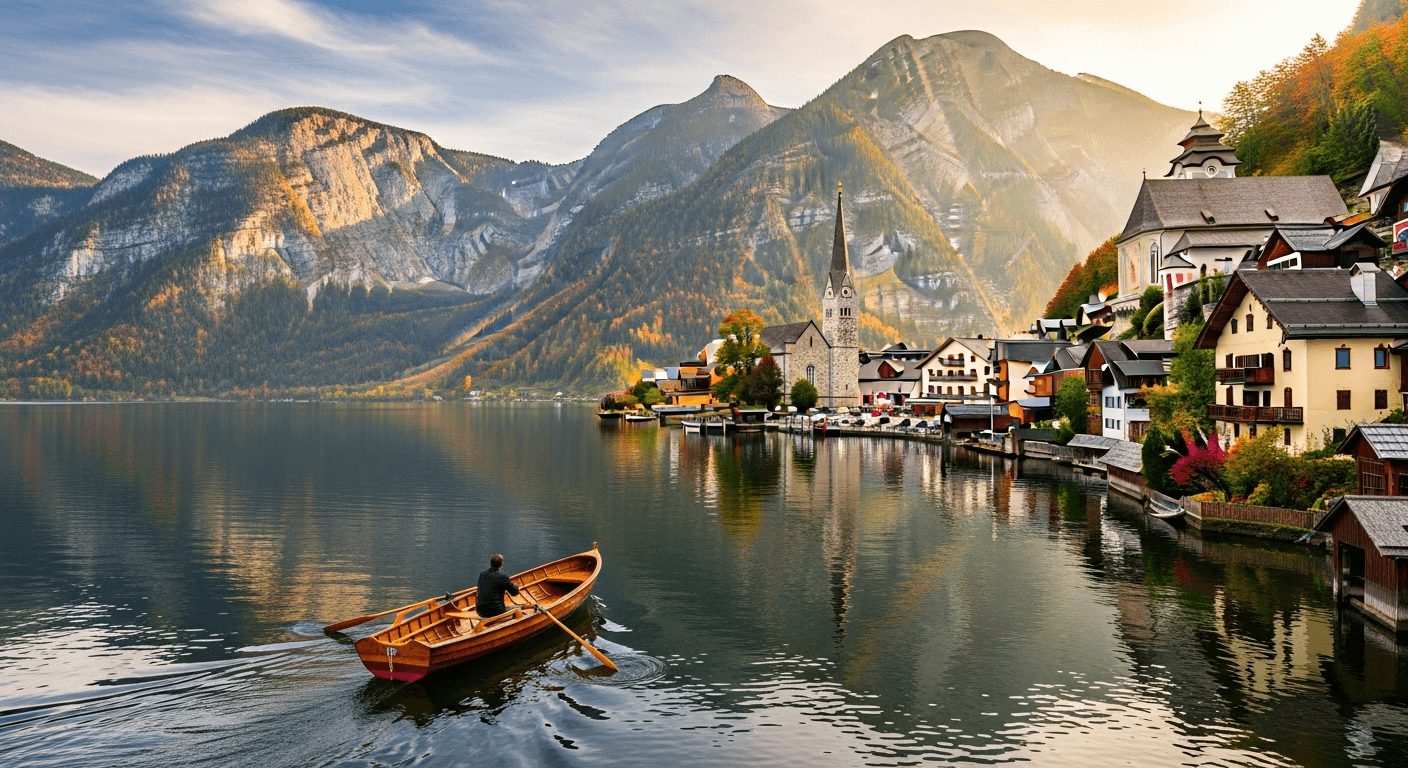
Germany's Gravitational Pull: Why Travelers Return Again and Again
There's a particular kind of magic that unfolds on Germany's quieter moments—when you're standing in a half-timbered courtyard at dusk, or watching steam rise from a thermal bath in the Black Forest, or sitting in a centuries-old beer hall while a stranger becomes a friend over a shared pretzel. Germany doesn't announce itself with fireworks. It seduces you through texture, precision, and an almost stubborn commitment to doing ordinary things extraordinarily well. Travelers don't just visit Germany once; they return because something essential lingers—a sense that there's always another corner to turn, another story embedded in weathered stone.
This is a country that refuses to be flattened into postcards. Yes, there's the castle-studded Romantic Road, the famous beer gardens, the Christmas markets. But what keeps people coming back are the conversations in tiny wine villages, the sudden generosity of strangers, the way industrial heritage has been transformed into something beautiful rather than erased, and the quiet understanding that Germany values both celebration and contemplation in equal measure.
The 20 Places That Keep Them Coming Back
1. Berlin's Ghost Stations There's an archaeology of absence in Berlin's U-Bahn system. Ghost stations—those closed in 1961 when the Wall went up—remain sealed time capsules. Platforms at Nordbahnhof still bear the faded announcements, the tiles worn by decades of non-passage. Walking through the tunnels where trains no longer stop creates a strange vertigo; you're literally beneath history. The real pull is this: Berlin invites you to sit with contradiction rather than resolve it. Best in spring when the city feels open-minded. Photograph the afternoon light hitting the tiled tunnels—there's a melancholy geometry to them.
2. Heidelberg's Hidden River Paths Forget the postcard views from Philosophenweg (though they're worth one sunset). The real Heidelberg emerges on the Neckar's eastern banks, where locals walk their dogs and students sketch. The water moves at its own patience, and suddenly you understand why Romantic poets lost their minds here. Visit at dusk when the castle lights turn amber against the darkening hills.
3. The Moselle Valley's Steep Vineyards These aren't polished estates; they're nearly vertical experiments in stubbornness. Local vintners have been coaxing Rieslings from these inclines for 2,000 years, and their determination has created something rare—wines that taste like place itself. September harvest time brings a particular electricity. The photograph worth chasing: afternoon light on the valley terraces, with the river threading through like a silver seam.
4. Mittenwald's Lüftlmalerei A Bavarian village where the entire façade of town is frescoed. Mittenwald survived centuries of Alpine weather precisely because merchants got wealthy and decided to prove it. The walls tell stories—religious scenes, protective symbols, family histories. There's nothing humble about it, which is oddly refreshing. Visit spring or early autumn when tourists are thin on the ground.
5. The Dresden Altstadt at Reconstruction Dresden carries visible scars and visible hope. The rebuilt Frauenkirche stands white and newly golden, surrounded by carefully restored pastel buildings. Walking through is witnessing a city remembering and rebuilding simultaneously. It's emotionally complex in ways sanitized heritage sites rarely are.
6. Munich's English Garden at Dusk Not the beer gardens (though those exist here), but the English Garden itself—hundreds of acres where locals genuinely live, not perform. Biergarten culture happens naturally here; you might sit beside a construction worker, a philosophy student, a grandmother. The Chinese Tower beer garden watches actual Müncheners being themselves.
7. Rothenburg's Medieval Ramparts (After Dark) Night transforms this postcard town into something genuine. Without tour groups, the cobbled streets become yours. The rampart walk—especially the night circuit—feels genuinely medieval. There's an old-fashioned lantern quality to everything. Stay in a local guesthouse and wake early to walk them empty.
8. The Ruhr Valley's Industrial Legacy Coal mines transformed into museums, steel plants into art spaces, blast furnaces into viewpoints. Essen's Zollverein Site is UNESCO-protected industrial archaeology. The aesthetic is brutal and beautiful—a region that decided to celebrate rather than hide its working past.
9. Zugspitze's Silent Alpine Mornings Germany's highest peak offers something rarer than fame: solitude. Arrive early, before tour buses, and find yourself in high-altitude silence with the eastern light spreading across the Bavarian landscape. The experience is less about conquest, more about smallness.
10. Hamburg's Warehouse District at Tidal Shift The Speicherstadt changes personality with the water. When the Elbe rises and falls, warehouse reflections become abstract. There's something about watching a working city—container ships moving, water taxi pilots nodding—that feels more honest than manicured heritage.
11. Weimar's Bauhaus Heritage School of form and function. Walking through Walter Gropius's apprentice buildings, you feel modernity's serious intentions. It's an intellectual experience wrapped in architecture. Spring is perfect; the Ilm River flows alongside the museums, reminding you that even revolution needs beauty.
12. The Black Forest at Watershed Moment Not the kitschy villages (though they exist), but the actual forest—the deep woods where hiking trails climb into actual wilderness. October brings particular melancholy; everything's turning gold and letting go. The mushroom hunting season makes locals philosophical.
How to Move Through Germany Like Someone Returning
Germany's transport system runs on a kind of spiritual punctuality that eliminates the need for anxiety. The Bahn (rail network) connects everything; buy a regional pass if you're island-hopping between destinations, or the Deutschland-Ticket for unlimited regional travel. But here's what experienced travelers know: take the slower trains. They stop in villages, show you the actual countryside, and you'll sit across from people who might invite you for coffee.
Neighborhoods matter more than you'd expect. In larger cities, stay in districts where people actually live—Prenzlauer Berg in Berlin, Schwabing in Munich, Altstadt-Nord in Cologne. You'll eat better, pay less, and experience something that tourists never quite find. Timing affects tone profoundly; Christmas markets (November-December) create a specific kind of magic that spring's renewal simply doesn't offer, and vice versa.
German etiquette is warmer than its reputation. Greetings matter—a quick "Guten Tag" opens doors that silence closes. In restaurants and cafes, it's considered polite to say hello and goodbye to staff and fellow diners. This isn't formality; it's recognition.
Discovering the Threads That Connect Them
On Touratu's interactive map, you can trace the routes that travelers actually take—the ones that bypass famous checkboxes for something more textured. Follow the wine-country trails, the industrial heritage circuits, the forest pathways. You'll see where the real returns happen, where people add another pin, another season, another story.
Why They Keep Coming Back
Germany doesn't give itself away quickly. It demands you slow down, pay attention, learn the language of small gestures and significant quiet. It asks that you notice the craftsmanship in a bakery window, the care in a maintained street, the weight of history carried lightly. These twenty places aren't museums; they're living conversations between past and present. And conversations—real ones—always deserve a second visit.
Loading activities…
