
Finland: 20 Places Travelers Return To Again
Finland: Why Travelers Keep Coming Back to These 20 Places
There's a particular shade of silence that greets you when you step off the plane in Helsinki. Not emptiness—silence with weight to it, the kind that makes you listen harder to the world. Finland does this to people. It strips away the noise of expectation and replaces it with something cleaner: the genuine pull of a place that hasn't been remade for visitors, but has simply learned to welcome them.
This isn't a country that overwhelms you with monuments or orchestrated experiences. Instead, it works slowly. You notice patterns—the way light moves differently here, how people give each other space that feels like respect rather than coldness, the strange comfort of embracing both darkness and design as part of the same philosophy. Travelers return to Finland repeatedly not because they've conquered it, but because each visit reveals a new layer they hadn't quite understood before.
These twenty places form the skeleton of why Finland gets under your skin.
1. Helsinki's Design District
The moment you enter this grid of streets between the harbor and the city center, you understand that Finnish design isn't precious or performative. In galleries and studio-shops, you'll find objects that solve problems you didn't know you had—lighting that respects your circadian rhythms, textiles that feel like they're made from compressed clarity. The Design Museum sits here too, but the real education happens by walking, letting your eyes adjust to a visual language built on restraint and purpose.
Best time: September to October, when the summer crowds thin and the light takes on a golden, clarifying quality.
Photography moment: The intersection of Fredrikinkatu and Iso Roobertinkatu at golden hour, when the colorful Art Nouveau facades catch light like they're glowing from within.
Insider note: Most visitors photograph the famous Stockmann building. Instead, slip into the quieter galleries along Uudenmaankatu, where you'll find working designers selling directly from their studios.
2. Suomenlinna Fortress Island
A fifteen-minute ferry ride from the city delivers you to an 18th-century Swedish fortress now transformed into a living neighborhood. There's archaeology here, but also laundry drying on lines, locals cycling past cannons, children playing in courtyards where soldiers once stood. The island refuses the museum effect—it remains genuinely inhabited, which is what makes it compelling.
Best time: May through June, when the garrison buildings open and the sea finally warms enough to consider swimming.
Practical note: Bring comfortable walking shoes and a light rain jacket. The island's paths are well-maintained but exposed to weather rolling in from the Gulf of Finland.
Photography moment: The view from Kuninkaantie toward the city skyline at dusk, when the fortress walls turn from ochre to deep rust.
3. Tampere's Lake Culture
Two pristine lakes bookend this mid-sized city, and locals treat them with the kind of reverence most people reserve for mountains. In summer, the sight of people swimming during lunch breaks—in their work clothes, practically—reveals something essential about Finnish life: nature isn't a destination, it's infrastructure.
Why return: The Moomin Museum, dedicated to Tove Jansson's creations, sits here with a lightness that makes most children's museums feel heavy. The original illustrations carry a melancholy beauty that adults find just as moving.
Best time: June to August, when the museums stay open late and the water temperature climbs to tolerable.
Insider observation: Locals prefer Pyynikki over the more central beaches. The sauna complex there, built into a ridge overlooking the lake, is one of the few places where perfect strangers sit naked together without awkwardness—a distinctly Finnish comfort with vulnerability.
4. Turku's Medieval Streets
Finland's oldest city doesn't announce itself loudly. Medieval wooden buildings cluster along the Aura River, painted in colors that suggest storybook illustrations. The cathedral looms above, its brick tower grounding centuries of layered history. This is where Finns feel their past most tangibly—not as restoration, but as living continuity.
Photography moment: Early morning on Vartiovuorenkatu, when the light hits the red-painted facades and reflects in the wet stones.
Practical tip: The riverside walk is best explored slowly, stopping at small galleries and coffee shops rather than rushing between major sites.
5. The Lakeland Region
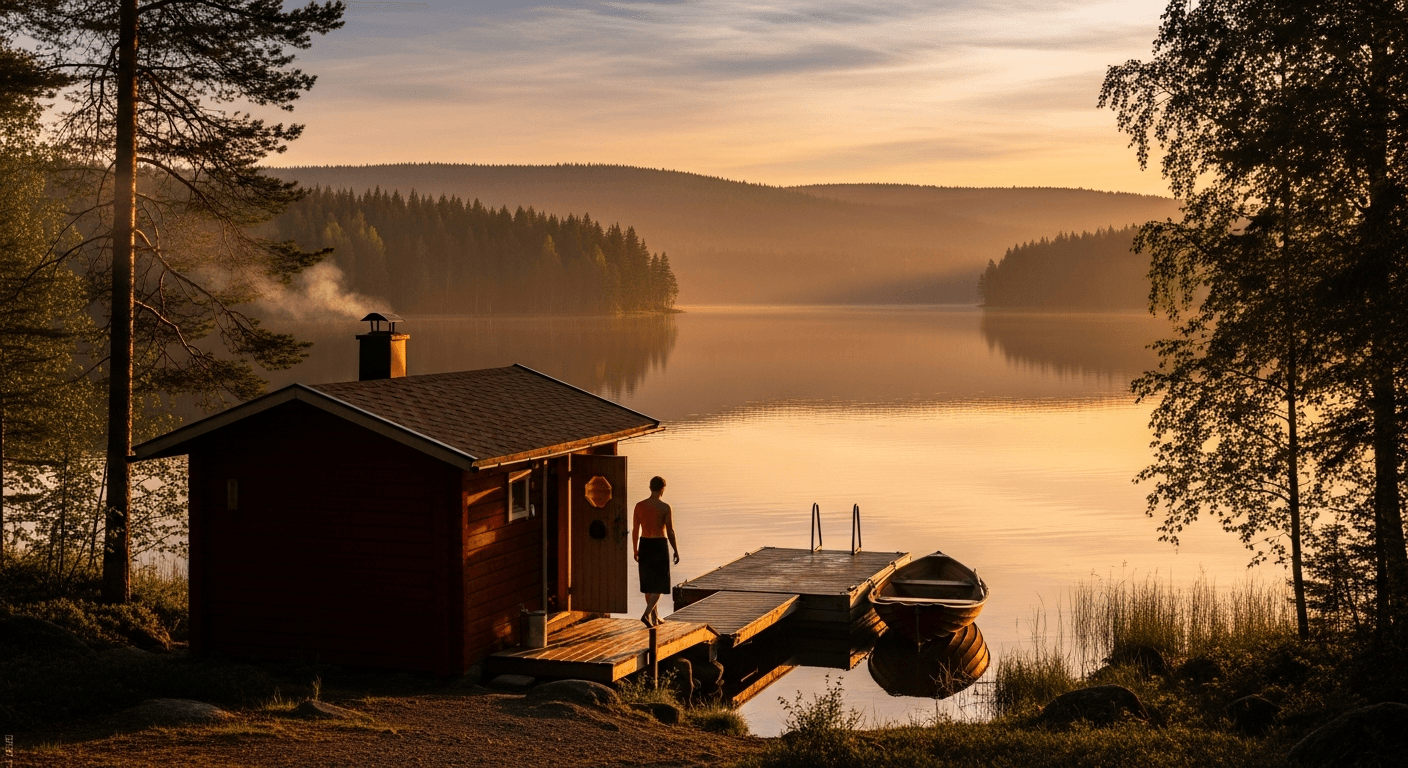
This is where Finland reveals its obsession with water. Tens of thousands of lakes create a landscape that feels almost liquid—forests interrupted by calm, dark water. Cottage culture dominates here: Finns owning small lake houses represents a form of spiritual practice as much as leisure.
Experience: Rent a cottage. Sit in the sauna. Walk to the dock. These aren't activities; they're a way of processing life. Many visitors report that simply sitting still by water here feels more nourishing than weeks of city tourism.
Best time: Late August to early September, when summer crowds leave and the light becomes contemplative.
Insider note: Swimming in the lakes feels ritualistic. The water is cold—always. Finns don't mind. Neither should you.
6. Koli National Park
The viewpoint from Ukko-Koli peaks over a landscape of lakes and forests so harmonious it seems almost painted. Unlike more dramatic mountain experiences, this view works through proportion and subtlety—the landscape feels perfectly balanced rather than extreme.
Why it calls people back: The hiking is moderate, the views are sustained, and the air carries a purity that seems impossible in the modern world.
Photography moment: Autumn brings colors that feel almost cautious in their beauty—burnt orange rather than vivid red. The reflection in the lake below multiplies the effect.
7. Savonlinna's Castle
Olavinlinna fortress rises from an island in Lake Saimaa, medieval and intact in a way that feels genuinely improbable. In summer, the castle hosts an opera festival that transforms the courtyards into an unlikely venue where international performers sing against the backdrop of 15th-century walls.
Best time: July for the opera festival, though June and August offer quieter exploration.
Practical consideration: Even non-opera attendees can visit the castle. The interior is sparse, which somehow increases its power—you're standing in the architectural bones of history without the cluttering interpretation.
8. The Finnish Archipelago
West of Turku, thousands of islands create a maze of waterways. Some are inhabited, most are wild. Traveling by boat through this landscape feels like moving through a secret—islands appearing and disappearing as the light shifts.
How to experience it: Rent a cottage on one of the larger inhabited islands, or take a guided kayaking tour through the smaller passages.
Photography moment: Late evening, when the light turns amber and the water reflects it back as molten gold.
9. Oulanka National Park
In Finnish Lapland, this park offers dramatic gorges carved by the Oulanka River. The landscape here abandons the serene lake aesthetic for something wilder—rushing water, deep canyons, forests that feel genuinely untamed.
Best time: September to early October, when summer tourists have dispersed but the autumn light remains exceptional.
10. Helsinki's Baltic Beaches
Locals will direct you away from Hietaniemi toward smaller, quieter beaches where city residents actually swim. These aren't tropical settings—the sea is cold, the sand is gray—but there's honesty in that. The beaches attract fewer visitors precisely because they demand something more than passive consumption.
How to Move Through Finland Like Someone Who Actually Lives There
Transport here feels designed for people who value both efficiency and contemplation. Trains connecting major cities run with Swiss-watch precision; sit by a window and watch the landscape gradually transform from urban to forest to Arctic. Buses are equally reliable and considerably cheaper. If you rent a car, understand that Finnish drivers follow rules religiously—it's not defensive driving, it's just the baseline assumption of civilization.
Neighborhood exploration requires patience. Finns aren't effusive about their favorite spots. If you ask a local for restaurant recommendations, you might receive three thoughtful suggestions rather than ten enthusiastic ones. This restraint reflects a deeper value: they're recommending things they actually believe in, not performing hospitality. Respect that discernment by following it seriously.
Timing matters everywhere in Finland, but especially during the extremes. Winter darkness brings a particular psychological landscape—many travelers find it clarifying rather than depressing. Summer brings near-24-hour light that can feel either energizing or disorienting depending on your constitution. Spring and autumn are brief but luminous periods when the landscape seems caught between states.
On etiquette: Finns value directness and silence equally. Small talk isn't expected; genuine conversation is. Personal space is sacred—they won't crowd you, and they expect the same courtesy. Remove your shoes when entering homes. Saunas are non-negotiable cultural experiences; nudity there is practical rather than intimate.
Discovering Your Own Finland
The truest way to understand why travelers return repeatedly to Finland is to track the journeys others have taken. Touratu's interactive map shows traveler routes, visual discoveries, and the real moments that created lasting impressions—not the Instagram moments, but the quiet morning on a lake shore, the unexpected conversation in a design studio, the specific angle of light that made someone understand something about themselves. Explore these routes and discover what might call you back.
Why Finland Keeps Pulling People Back
Finland doesn't seduce you immediately. It works by erosion—slowly removing preconceptions about what travel should feel like. People return because they've glimpsed something genuine here: a culture that hasn't decided to optimize itself for tourism, that still values silence, that builds objects meant to last, that respects both nature and human complexity. Each return visit reveals a layer you missed before. This is why Finland becomes less like a destination and more like a question you keep trying to answer.
Loading activities…
