
Costa Rica's 20 Most Magnetic Places: Why Travelers Return
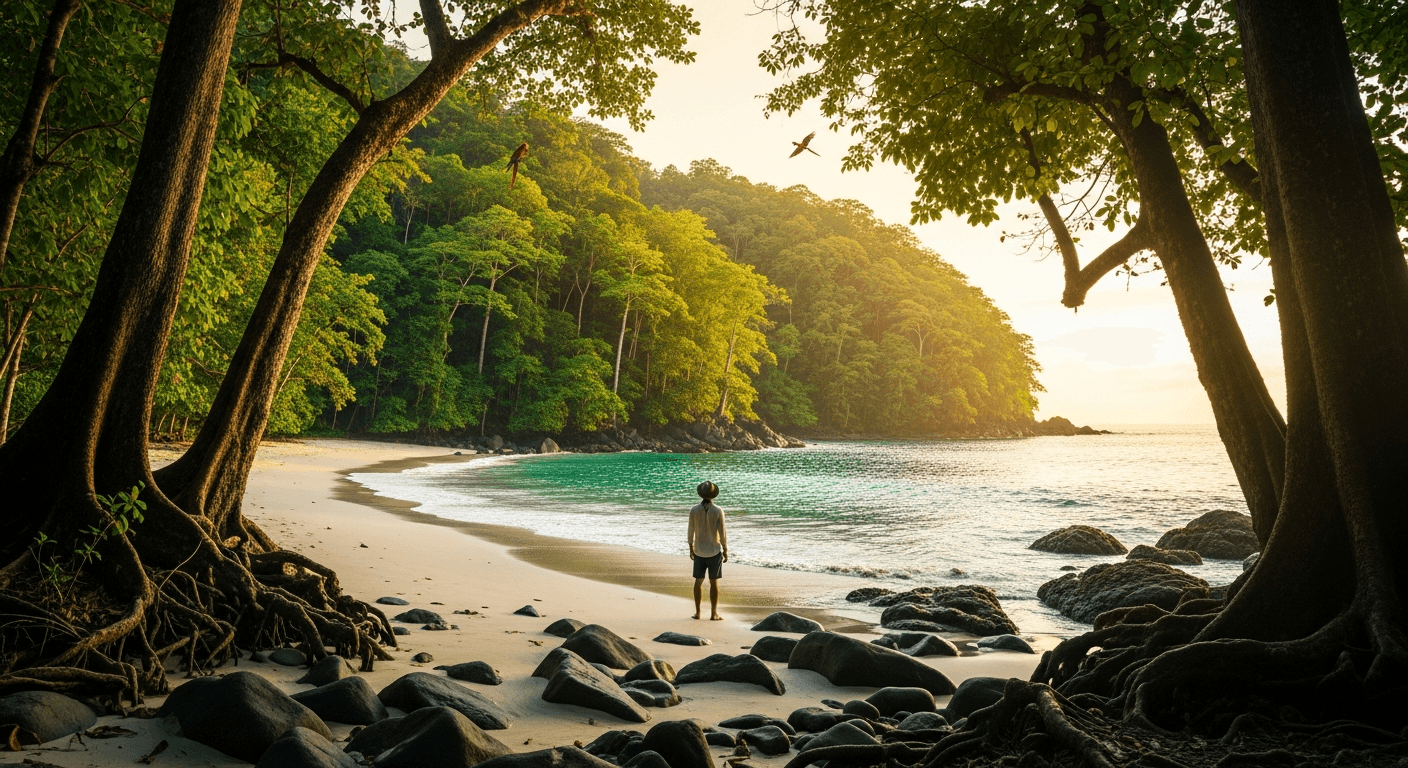
Why Travelers Keep Returning to Costa Rica's 20 Most Magnetic Places
There's a particular quality to light in Costa Rica that photographers chase and poets surrender to. It's golden and diffuse at dawn, slicing through morning mist like stained glass. By noon, it flattens everything into rich saturation. By late afternoon, when clouds gather for the day's inevitable rain, it turns the sky into bruised silk. This light—more than Instagram aesthetics or eco-tourism marketing—is what brings people back. They come seeking it in their bones.
Costa Rica doesn't whisper its appeal. It shouts it in the amphibian chorus at dusk, in the violent green of a rainforest canopy, in the copper warmth of coffee soil between your fingers. Yet somehow, it remains intimate. Perhaps because there are no ancient temples drawing crowds, no singular monument defining the country. Instead, there are twenty places—and countless variations within them—each offering a different conversation with what it means to move slowly through a landscape alive with intention.
What keeps travelers circling back isn't novelty. It's the certainty that they've missed something. Another waterfall hidden behind a different bend. Another lodge owner with a different philosophy. Another reason to believe that paradise, if it exists at all, exists in these coordinates.
1. Monteverde Cloud Forest
The first time you walk into Monteverde, you understand why mysticism exists. The forest hangs vertically here—moss draped like prayer shawls from branches, roots gripping stone with desperate logic. Visibility closes to fifteen feet. Sound becomes muffled. It's like walking inside a sleeping animal.
What makes Monteverde worth returning to is that it changes personality with every visit. In dry season, the forest recedes slightly, revealing views of the Nicoya Peninsula. In green season, it becomes utterly impenetrable, a cathedral of emerald where you're never sure what you're missing. The quetzal—a bird so impossibly beautiful it seems rendered by animation—lives here, and the possibility of seeing one (however slim) pulls people back like a hope they can't release.
The 6 AM guided walk separates serious naturalists from casual tourists. Start pre-dawn, when animals are most active and the light is still theatrical. The experience isn't about spotting every creature—it's about learning to see like a forest sees, in layers and shadows and movements at the edge of attention.
Photograph the canopy walkways in early morning. The suspended bridges, while touristy, frame the forest's architecture in ways that static ground-level views never can.
Visit between December and April for clarity. Green season (May-November) feels like a secret shared only with the truly committed.
2. Manuel Antonio's Pacific Beaches
There's something about beaches fronted by rainforest that rewires your sense of possibility. At Manuel Antonio, howler monkeys scream from canopy directly above sunbathers. Sloths move through branches like living art installations. The water is warm enough to feel like skin.
What returns visitors isn't the postcard perfection—it's the ecosystem's refusal to separate categories. This is a place where nature doesn't perform for you. It simply exists, indifferent to your presence. You're an observer in a script that's been running long before you arrived.
Stay at a lodge with a forest view rather than oceanfront. The best wildlife watching happens at dawn, on trails cutting through private reserves. The beach crowds peak between 10 AM and 2 PM; swim early or late.
The Cathedral Point trail offers prayer-like solitude and panoramic views without requiring serious elevation gain. Go alone if possible. The silence is the point.
Best visited April-May or September-October, when crowds thin and green season moisture brings animals down to water sources.
3. Arenal Volcano & Hot Springs
There's a particular tension in standing near a volcano. Arenal's perfect cone rises 5,389 feet above the rainforest, dormant since 2010 yet still radiating (literally) the feeling that the earth here is not settled. The adjacent hot springs—fed by geothermal activity—offer warm water that feels medicinal even when it's purely psychological.
Return visitors come for the hiking, not the volcano views. Trails circumnavigating the base reveal how the 1968 eruption reshaped the landscape. Lava fields now host secondary forest—a demonstration of nature's patient intelligence. The experience is less about spectacle and more about geological humility.
The best soak isn't at the touristy resort pools but at natural springs tucked along river bends, where locals come to bathe. Ask guides for directions; these spots change as rivers shift.
Arrive during blue-sky season (December-April) if you want clear cone views, but accept that the volcano often hides. The mystery is sometimes more powerful than the reveal.
4. Corcovado National Park
This park contains more biodiversity per square kilometer than nearly anywhere else on Earth. Entering it feels like stepping into a natural history museum where all the dioramas are alive and indifferent to your amazement.
People return because Corcovado doesn't yield easily. Multi-day treks reveal layers other day visitors miss—the consistency of encountering wildlife, the particular exhaustion of moving through real wilderness, the strange joy of spending a night where jaguars hunt.
The Park fees and required guide permits mean this doesn't feel like a casual tourist destination. That friction is its greatest protection and appeal.
Hire guides through local lodges rather than arranging independently. Overnight camping deep in the park requires permits secured months in advance. Go September-November for lower prices and fewer tourists, accepting that green season rains are part of the authentic experience.
Photograph spider monkeys in the canopy at dawn. The composition is difficult but the patience required mirrors the park's own measured pace.
5. Osa Peninsula & Puerto Jimenez
If Corcovado is the wilderness, Puerto Jimenez is its gateway town—rough, genuine, and utterly uninterested in performing tourism. Howler monkeys wake the town at 4:47 AM like clockwork. Locals move through streets with the unhurried confidence of people who've chosen isolation deliberately.
What makes the Osa Peninsula magnetic is its sense of being slightly undiscovered, even now. It lacks the infrastructure that would smooth the edges. Accommodations range from solar-powered jungle lodges to beachfront cabinas with temperamental plumbing. This variability keeps tourists from settling into complacency.
Return visitors stay longer, rent motorcycles, spend entire days on empty beaches, begin conversations in Spanish to signal serious intent. The peninsula rewards this slowness.
Wet season (August-December) brings heavier rains but lower prices and fewer tourists. Ferries to the peninsula can get rough; locals time travel around weather patterns. Learn these patterns before booking.
6. Tortuguero National Park
You can't drive to Tortuguero. You arrive by boat through a labyrinth of canals where the forest colonizes the waterline. The village exists without roads—just paths, lodges, and the constant sound of water moving through jungle. It feels like another century, relocated to a different coordinate.
The park exists primarily because of sea turtles—three species nest on these beaches. Between July and October, you might witness hatchlings sprinting toward ocean, a moment of raw purpose that no amount of conservation messaging can prepare you for emotionally.
What returns people is the particular quality of isolation. You're not driving to wilderness; you're arriving to a place that hasn't been fully modernized. That distinction matters more than the guidebooks acknowledge.
Book lodges with boat transfers included. The journey through canals is the experience. Hire guides specializing in nocturnal canal tours—caimans, fishing bats, and tree frogs reveal themselves only in darkness.
Turtle season (July-October) matters less than you'd think if your expectations are realistic. The village experience transcends the wildlife moment.
7. Monteverde to Santa Elena Route
This mountain ridge village sits at 4,700 feet, perpetually wrapped in cloud. It's developed more than Monteverde proper but retains character. The town square feels like a place where someone's grandmother runs a restaurant out of her home—which, often, she does.
Return visitors come for the agricultural landscape—coffee farms, orchards, dairy operations. Agritourism here is genuine. You're not performing tourism; you're participating in actual work rhythms. A coffee tour means wading through fields in morning dew, hands staining with berry juice, conversations with farmers who genuinely enjoy sharing their expertise.
The night sky, when clouds clear, reveals stars that city-dwellers have forgotten exist. This is less about astrology and more about the humbling experience of recognizing your actual size.
Stay three days minimum. One day gets checked off an itinerary. Three days allow the rhythm of the place to penetrate. Visit January-April for best cloud forest visibility.
8. The Caribbean Coast: Puerto Viejo & Cahuita
The Caribbean side of Costa Rica vibrates with a different frequency entirely. Puerto Viejo's main street blurs the line between beach town and legitimate cultural space—Afro-Caribbean influence shapes music, food, architecture, and the unhurried philosophy of time.
What brings people back is the rhythm. Distances here aren't measured in kilometers but in how long it takes to have a conversation. The reef system supports snorkeling that doesn't require boats. Cacao farms produce some of the world's best chocolate. The nearby Gandoca-Manzanillo Wildlife Refuge shelters sloths, poison dart frogs, and a coastline that feels pre-industrial.
Return visitors learn Spanish, rent bicycles, eat at family-run restaurants where you communicate with gestures and smiles, and slowly accept that efficiency isn't a value worth pursuing.
Visit May-June or September-October for lower prices. Green season brings afternoon rain but also fewer tourists and more vibrant ecological activity. Rent a bicycle; distances are walkable but a bike opens the landscape.
9. The Nicoya Peninsula
Nicoya is where backpackers who've aged into intentionality come to reset. The peninsula's interior features small towns (Nosara, Malpaís, Montezuma) where yoga studios and farm-to-table restaurants coexist with genuine local commerce. It's not unspoiled, but it maintains authenticity.
The beaches vary dramatically—some face warm Pacific currents ideal for swimming, others are serious surf breaks with currents that demand respect. The variation keeps exploration interesting.
Return visitors rent scooters and spend weeks discovering small coastal villages, private beaches accessed through farm gates, and roadside sodas (local restaurants) serving daily specials that outperform tourist restaurants by orders of magnitude.
The road system is partially unpaved, which is the point. Good preparation and mechanical resilience required.
10. Arenal Lake & Surroundings
Lake Arenal, created by a 1970s dam project, has become one of Costa Rica's most peaceful zones. The lake is massive but feels intimate because mountains rise on all sides. It's an unexpectedly Scandinavian landscape in the tropics—fjord-like without the cold.
The experience here is contemplative—boat tours, kayaking, isolated lodges, and a notable absence of "attractions." What returns people is the permission to simply be still in a landscape that doesn't demand performance.
The wind here is consistent enough to make this Costa Rica's premier windsurfing destination. For non-adrenaline seekers, lakeside walks reveal how forests regenerate on slopes where the dam created new shorelines.
Visit December-April for dry season, but accept that the lake's mountainous geography can generate sudden weather. The unpredictability is part of the experience's authenticity.
11. San Isidro de El Generalé
This agricultural valley at 2,400 meters elevation is where wealthy Costa Ricans build mountain retreats. Visitors often skip it entirely, which is precisely why it rewards attention. The valley is cool, misty, and filled with small family farms producing vegetables, dairy, and coffee.
What makes it worthwhile is the absence of tourism infrastructure. You're experiencing landscape and agricultural reality, not a curated experience. Waterfalls are accessed via muddy farm paths. Locals extend hospitality without expecting it to be monetized.
The town's scale allows real interaction. You can learn the name of the grocery store owner, the cafe owner, the agritourism guide. It's small enough to feel like arrival, not tourism.
12. The Osa Peninsula's Drake Bay
Drake Bay straddles positioning as wilderness destination and relative luxury. The bay itself is ringed with rainforest, and boat access means arrivals feel earned rather than driven to.
What returns visitors is the balance between comfort and authentic remoteness. You're not camping rough, but you're accessing genuine jungle with minimal infrastructure between you and wilderness.
Whale watching here (December-April) offers encounters that feel less like spectacle and more like accidental discovery. The waters are rich, animals are abundant, and the experience maintains humility rather than triumphalism.
Moving Through Costa Rica Like a Returner
The first thing returning travelers tell you about transport: the country is smaller than it appears on maps. The roads—even good ones—wind through elevation changes that make distances deceptive. A town that appears 40 kilometers away might require three hours of driving. This isn't a flaw; it's a feature. It enforces pace.
Renting a vehicle gives independence, though insurance is non-negotiable. Domestic flights connect distant regions quickly; buses are reliable, cheap, and give street-level access to landscape and human interaction. The question isn't how fast you can travel but whether speed serves your actual purpose.
Green season (May-November) transforms the country. Rains arrive predictably in afternoons, clearing by evening. Roads deteriorate. Prices halve. Tourist infrastructure simplifies. Travelers who return during this period accept getting wet as the entry fee for access that feels less commodified.
Tipping isn't obligatory but is genuinely appreciated. Service workers make modest salaries. Restaurants in tourist zones often add gratuity automatically; always verify your bill.
Speaking Spanish, even modestly, changes interactions. English-speaking tourism infrastructure exists, but moving through conversations in broken Spanish signals respect and effort. Locals respond generously to genuine linguistic stumbling.
Tracing Your Own Costa Rica Story
The beauty of Touratu's interactive map lies in seeing how other travelers have stitched these twenty places into personal journeys. You discover that some return visitors focus exclusively on Caribbean coast ecosystems, spending months watching how a single protected area changes seasonally. Others chase volcano light at specific times of year. The map reveals patterns—not as marketing constructs but as genuine curiosities about how humans choose to move through landscape.
Costa Rica's persistence in travelers' return patterns suggests something beyond marketing effectiveness. It's that the country allows you to exist in different relationship to time. You can move as slowly as ecological processes actually move. You can notice the arrival of birds in particular trees, the way light shifts on water across seasons, the patience required to truly see a place.
What brings people back isn't novelty or checkmarks on a list. It's the gathering suspicion that they've only begun to understand what these coordinates have to offer. That understanding, deepened across years and seasons, becomes why they stop mentioning bucket list items and start speaking about return journeys like pilgrimages—measured, intentional, and somehow never quite complete.
Loading activities…
