
Bulgaria Travel: 20 Places Travelers Return To
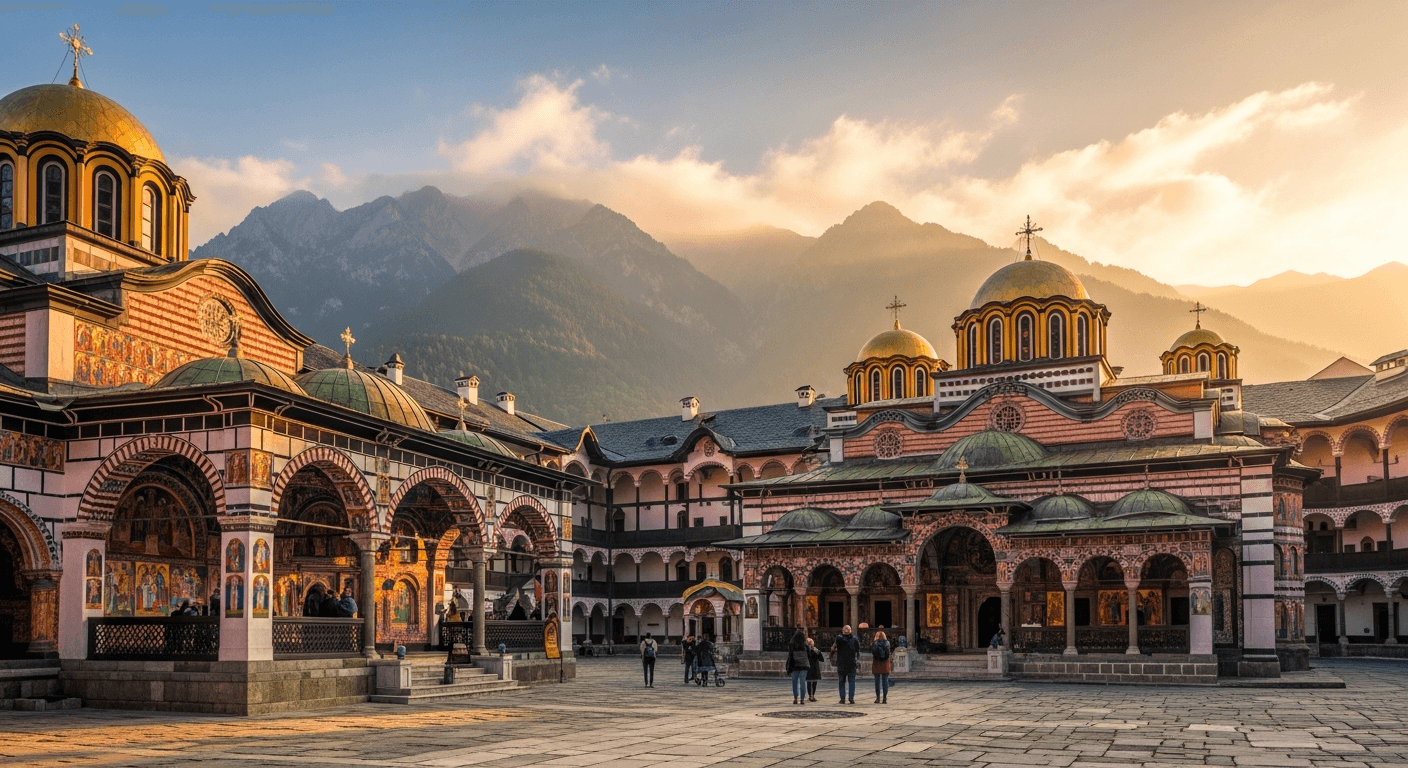
Bulgaria: The Places That Keep Calling Travelers Back
There's a particular kind of light in Bulgaria—the kind that makes you question why you waited so long to come. It arrives soft and amber in the early hours, catching the mist that clings to valleys, and later deepens into something almost golden, as though the entire country has been brushed with honey. When you stand in it, watching locals move unhurried through their days, something shifts. This isn't the Bulgaria of guidebook bullets or checkbox tourism. This is the Bulgaria that travelers speak about in hushed tones months later, the one that burrows into your memory and refuses to leave.
What makes Bulgaria different from its Balkan neighbors isn't novelty—it's authenticity born from a particular kind of isolation. For decades, fewer cameras pointed here. Fewer crowds arrived to reshape the landscape into Instagram-friendly angles. The result? A place where tradition hasn't been polished into performance, where hospitality feels like genuine curiosity about where you've come from, and where the cost of travel doesn't demand choosing between experiences.
Travelers return to Bulgaria not because they discovered something new, but because they found something true. Here are the places that make them come back.
1. Rila Monastery: Where Mountains Keep Secrets
The approach to Rila Monastery feels like stepping backward through centuries without artifice. Nestled deep in the Rila Mountains, it announces itself gradually—first as a rumor in the landscape, then as red-and-white striped arches that seem almost dreamlike against granite peaks.
What sets Rila apart isn't its architectural perfection alone, though the hand-painted frescoes inside the monastery's walls deserve their own reverence. It's the silence that surrounds it. Real, profound silence. Walk the grounds early, before tour groups arrive, and you'll understand why monks chose this particular valley to build something sacred. The cloisters feel like the monastery's heartbeat, each arch framing another moment of contemplation.
Best time: September to October, when the crowds thin and the light becomes something sculptural.
Photography moment: The courtyard at sunrise, when the frescoes catch first light and cast shadows that shift across stone like a sundial for the soul.
Insider note: Skip the monastery café. Instead, bring bread and cheese from Sofia's markets, find a quiet corner of the gardens, and eat where the mountains can hear you think.
2. Bansko: A Ski Town With a Soul
Bansko contradicts expectations at every turn. Yes, it's Bulgaria's premier ski destination, drawing serious snowboarders and skiers each winter. But walk its cobblestone old town in any season, and you'll discover something deeper—a place where the Alps feel close enough to touch, where centuries-old architecture hasn't been gutted for luxury boutiques.
The charm here is structural, not staged. Bansko's houses lean slightly, their wooden shutters faded to colors that don't exist in paint swatches. Taverns serve food that tastes like generational recipes, not culinary trends. Even its ski resort, modern as it is, feels respectful of the town's heritage rather than dominating it.
Best time: December through February for skiing; June through August for hiking the Pirin National Park trails that rise directly from town.
Why travelers return: Each season transforms Bansko entirely. Summer hikers find solitude in alpine meadows; winter visitors discover après-ski conversations that last until dawn.
Practical tip: Base yourself in the old town, not the resort areas. This is where locals eat, where you'll meet other travelers with actual stories, where the rhythm of life feels real.
3. Plovdiv: Europe's Second City, Often Overlooked
Plovdiv refuses to announce itself. There's no dramatic landmark, no single Instagram moment that captures it. Instead, there's the gradual realization, as you walk its Old Town's narrow streets, that you're moving through layers of human history without a museum ticket in sight.
Roman amphitheaters are still used for concerts. Ottoman-era houses have been converted into galleries and cafés where the conversations flow as naturally as the local wine. The Rhodope Mountains backdrop the entire town like a painted screen, and the Maritza River splits it into sections, each with its own personality.
What makes Plovdiv magnetic isn't one element but the way everything coexists without hierarchy. Ancient and modern. Sacred and secular. Tourist and resident.
Best time: April to May, when cherry blossoms perfume entire neighborhoods and the weather invites wandering.
Insider observation: The real heart of Plovdiv is found in the small galleries, vintage shops, and family-run taverns squeezed between major sights. These are the places where time moves differently.
Photography moment: The Roman amphitheater at sunset, when the stones seem to remember every performance they've hosted.
4. The Black Sea Coast: Where Refinement Meets Simplicity
The Bulgarian coast exists in a rare balance—developed enough to have excellent restaurants and accommodations, yet underdeveloped enough that you can still feel the Mediterranean's older, quieter cousin in the water. Nessebar's ancient churches rise from the sea's edge. Sozopol's fishing boats still arrive with the day's catch, the old town's narrow streets smelling of salt and thyme.
This isn't the glossy resort coast of Western Europe. It's something more honest. The water is cool, sometimes moody. The beaches are pebbled, not perfectly sandy. The people are warm in the way that comes from genuine interest, not trained hospitality.
Best time: September and May—warm enough for swimming, uncrowded enough to actually see the coast.
Why travelers return: Each visit reveals different coastal towns, each with distinct character. Bourgas feels artistic; Nessebar feels ancient; Sozopol feels like stepping into a fisherman's daily life.
5. Melnik: Wine Country With Vertical Storytelling
Melnik is Bulgaria's smallest town by population but feels impossibly rich in experience. Sandstone pyramids—natural formations that seem almost deliberately artistic—rise around it. Below, terraced vineyards produce wines that wine enthusiasts actually seek out, not novelty wines purchased out of nostalgia.
The experience here is slow and immersive. Wine tastings happen in family cellars, not tasting rooms. Conversations with vintners extend beyond product descriptions into philosophy about soil, weather, and what it means to make wine in the same location your grandparents did.
Best time: September through October, during harvest season, when the entire region moves in rhythm with the grapes.
Photography moment: The sandstone formations at golden hour, when shadows create canyons of color.
Practical tip: Rent a car and plan one full day here. Half-day visits miss the point entirely.
6. Alexander Nevsky Cathedral: Grandeur Without Pretension
Sofia's Alexander Nevsky Cathedral is one of Europe's largest Orthodox churches, yet it radiates humility rather than ego. Gold domes catch light in ways that feel natural rather than showy. Inside, the silence is so complete it becomes almost audible.
What makes this place significant isn't its size but what it represents—spiritual continuity in a nation that's been tested by history. Walk through at any hour, and you'll see locals lighting candles with a reverence that translates across any language barrier.
Best time: Early morning, when the light through stained glass hasn't been diluted by crowds.
Insider note: Skip the tourist entrance. Walk through the side entrances like locals do, blend in, and let the space speak to you privately.
7. Plitvice Lakes: A Watercolor In Motion
Sixteen connected lakes create a landscape that looks painted rather than formed. Waterfalls link each level of water, and the boardwalks move you through the ecosystem with a grace that feels almost choreographed. The colors shift—deep greens, milky blues, amber and silver depending on the light and angle.
What distinguishes Plitvice from other waterfall attractions is how alive it feels. The ecosystem isn't static; it's a conversation between water, rock, and light that's constantly rewriting itself.
Best time: June to September, when the water levels are dramatic and the light is cooperating.
Photography moment: The waterfalls in early morning mist, when the water almost seems to float rather than fall.
8. Karakol: Markets That Tell Stories
Sofia's Women's Bazaar and various neighborhood markets are where the real city emerges. Vendors know their regulars' preferences and health conditions. Conversations about tomato ripeness extend into family gossip. The smell of fresh herbs, aging cheese, and crushed spices creates a sensory experience that no restaurant can replicate.
Why it matters: These markets are where you'll find the ingredients for meals that taste distinctly Bulgarian—and where you'll understand how food operates as a language here.
9. Thracian Tombs: Time Made Tangible
Bulgaria contains Thracian ruins that rival any Mediterranean destination but receive a fraction of the attention. These ancient burial sites aren't museum pieces—they're intimate glimpses into how people conceived of death, meaning, and what should accompany them beyond.
The Kazanlak Tomb is particularly moving, with 4th-century frescoes that somehow survive in near-perfect condition underground.
10. Koprivshtitsa: A Town Frozen in Heritage
This 19th-century village served as a center of Bulgarian resistance during Ottoman rule. Walk its streets and you're moving through architectural time travel—each house is a museum piece, yet locals still live here, cook here, argue here. The authenticity comes from actual habitation rather than preservation.
Local Insights: Moving Through Bulgaria Like You Belong
Transport through Bulgaria feels intimate. Buses connect even small towns with reliability and humor—drivers collect stories the way other people collect miles. Trains move slowly but arrive eventually, and the conversations in compartments often become the trip's real content.
In cities, the rhythm matters more than the clock. Dinner doesn't begin until 9 pm. Markets are quietest and most peaceful at 7 am, before official opening hours when vendors are still arranging. Coffee is something to savor, not rush through.
Neighborhoods reveal themselves differently by time. Sofia's Vitosha district feels like a village within the capital. Plovdiv's Kapana neighborhood, once sketchy, is now the creative heart. The key is wandering without agenda—getting lost here isn't unfortunate, it's essential.
Respect operates quietly. Photography in Orthodox churches requires discretion. At markets, the handshake and eye contact matter more than the transaction. Tipping isn't expected but appreciated; leaving 5-10% acknowledges service without performing gratitude.
Map Your Own Return
On Touratu's interactive map, you can trace the paths of travelers who've returned to Bulgaria multiple times. See which routes they favor, which neighborhoods they've lingered in, and discover the visual stories they've collected from these places. The pattern becomes clear: people don't come back for novelty. They come back because Bulgaria rewards the kind of travel that requires patience, curiosity, and a willingness to sit in cafés until afternoon melts into evening.
Why They Keep Coming Back
Bulgaria offers something increasingly rare in global travel: authenticity that hasn't been monetized into performance. The monasteries still serve spiritual purposes. The markets still feed the people who've always shopped there. The wines still taste like their particular soil. The light still arrives the same way it has for centuries.
When travelers return to Bulgaria, they're not chasing Instagram moments or collecting destination badges. They're returning to a place where time moves differently, where hospitality feels like genuine human connection, and where history isn't something you observe from behind velvet ropes—it's something you move through, breathe, and gradually understand.
That's what calls people back. Not Bulgaria. Just Bulgaria, exactly as it is.
Loading activities…
